


Popular articles



Battlefield 6 retools destruction — systemic, persistent and optimized
Table of Content

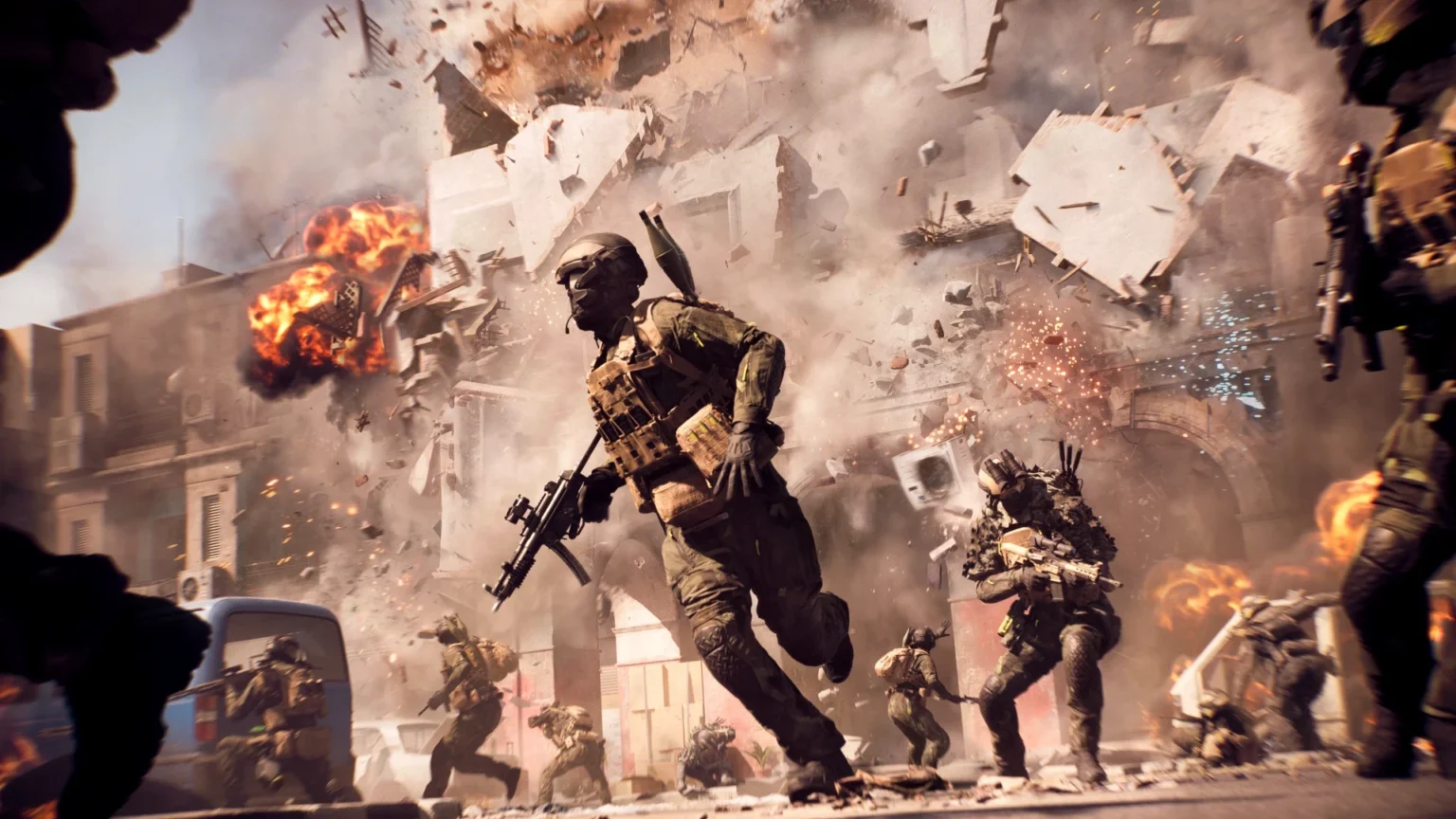
EA has outlined a sweeping upgrade to Battlefield 6’s hallmark destruction, calling it the franchise’s most advanced implementation to date. The system was co-developed across Frostbite and Battlefield Studios with support from Criterion, DICE, Motive and Ripple Effect. The goal is clear: systemic, persistent and controllable destruction that heightens tactics without compromising performance. According to EA, the technology is already available to players worldwide.
Built across studios on a proprietary foundation
Frostbite – EA’s proprietary multiplatform engine – evolved in tandem with Battlefield 6 to support the new destruction pipeline. The collaboration began during Battlefield 2042 and deepened for this entry. As DICE’s Rickard Antroya notes, teams selected the best experts for each task regardless of studio, leaning on a shared engine and unified tooling.
“Ever since Battlefield 2042, the teams working on destruction and the Frostbite physics engine have collaborated closely,” said Rickard Antroya, Lead Developer at DICE. “For Battlefield 6, we picked whoever knew each task best, regardless of team.”
Frostbite engineers and Battlefield designers worked “shoulder-to-shoulder” to align engine capabilities with gameplay needs, enabling targeted improvements without sacrificing frame stability across platforms.
“One advantage of having our own engine is working shoulder-to-shoulder with game developers,” added Talan Le Gate, Senior Software Engineer at Frostbite. “We constantly discuss how the game should look and how to get the most from the engine.”
Systemic destruction that reshapes combat spaces
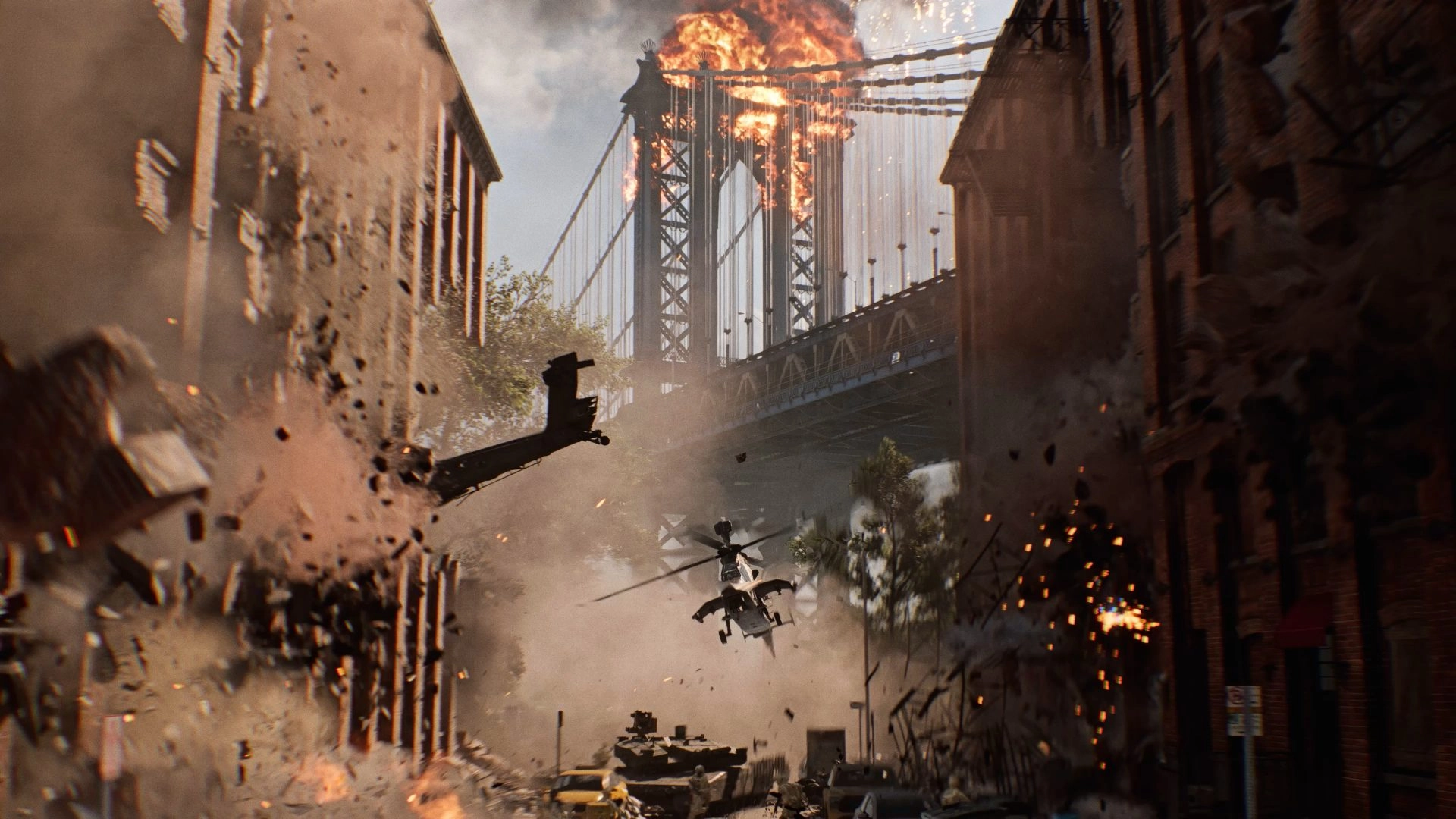
The new approach aims for a battlefield that looks war-torn, not cratered. Destruction results are persistent and designed to create navigable ruins, shifting sightlines and improvised cover rather than blank, featureless terrain.
“We wanted players to create a war‑torn battlefield, not lunar craters,” Antroya said. “The results should be permanent, transforming the playspace with meaningful rubble and ruins.”
To achieve this, DICE revisited core physics and gameplay systems: debris behavior, terrain deformation, vehicle dynamics, kinetic damage, and ragdoll all received updates so that chaos from explosions and collapses feeds back into the game’s ecosystem in authentic ways.
Under-the-hood upgrades to Frostbite
- Piecewise destruction and debris: Frostbite gained more comprehensive handling of partial damage and fragment generation, enabling more believable breakups and interactions.
- Health and damage systems rework: The engine’s health-change pipeline was redesigned for flexibility, allowing unique procedures, gameplay adjustments and new object behaviors.
- Emitter-driven VFX and audio: Surfaces and seams now embed emitters that trigger appropriate effects from blasts and debris, unifying visuals and sound with the underlying materials.
- Performance at scale: Bandwidth optimizations and prioritization keep 64-player matches responsive even amid simultaneous explosions, with smart limits on fragment counts.
- Faster iteration: New debugging tools and editor improvements sped up builds and simplified tuning of destructible materials.
Read also our article: All‑Madden arrives in Madden NFL 26 – legacy match, playbooks, roster
“We made piecewise destruction and debris more comprehensive,” said Le Gate. “That let the Battlefield team tie destruction into systems like damage under collapsing structures and more realistic fragment behavior.”
“We reworked the health-change system for flexibility,” added Johan Leijon, Technical Director at DICE. “Then we improved prioritization and reduced debris counts so everything syncs cleanly at scale.”
What players will feel in matches
From tiny shards to collapsed bridges, every effect is authored to be both dramatic and legible. Collapses persist, debris fields matter, and the soundscape and visuals are driven from the same source data. The result, EA says, is a world that looks, sounds and reacts like a cohesive whole, where each blast alters the fight in tangible ways and across the full match.
“What excites me most is that players get a unified whole,” Antroya said. “There’s an underlying structure you may not notice at first, and you can meaningfully influence it.”
Key takeaways for Battlefield 6
- Systemic and persistent destruction that reshapes levels without flattening them.
- Physics and gameplay tie-ins across debris, terrain, vehicles, kinetic damage and ragdoll.
- Engine-level upgrades to health, VFX/audio emitters and debugging/editor tools.
- Scaled for 64-player chaos via bandwidth optimization and smart prioritization.
- Available now as part of the current Battlefield 6 experience.
Bottom line — why it matters
For players, destruction is no longer just spectacle – it is a persistent, tactical system that rewrites cover, flanks and vehicle routes over the course of a match. Expect firefights to evolve as the map does, rewarding squads that read the debris and make the battlefield itself part of the plan.
Category
Share the news


Meet the Author


Article:
Read all

Solid Snake joins Rainbow Six Siege on March 3 with intel‑driven tools and scavenging gameplay. A few weeks later, a limited‑time 4v4 infiltration mode arrives alongside map and balance updates.
 February 15, 2026
 3
3
Season 1 opens the first chapter with Domina, Emre, Mizuki, Anran, and Jetpack Cat, plus the Conquest meta race between Overwatch and Talon. The world will update in real time as the story unfolds.
February 14, 2026
3
Kratos’ Spartan youth becomes playable in God of War Sons of Sparta – a canon, pixel‑art 2D prequel on PS5 with customizable spear‑and‑shield combat, Gifts of Olympus, and returning voice talent.
February 13, 2026
5
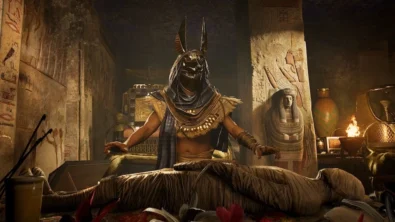
Ancient embalming, step by step – a new museum installation built on Assassin’s Creed Origins’ Discovery Tour lets visitors explore mummification interactively at Musée de l’Homme, open November 2025-May 2026.
February 13, 2026
6
Read also
Solid Snake joins Rainbow Six Siege on March 3 with intel‑driven tools and scavenging gameplay. A few weeks later, a limited‑time 4v4 infiltration mode arrives alongside map and balance updates.
February 15, 2026
3
Kratos’ Spartan youth becomes playable in God of War Sons of Sparta – a canon, pixel‑art 2D prequel on PS5 with customizable spear‑and‑shield combat, Gifts of Olympus, and returning voice talent.
February 13, 2026
5
Ancient embalming, step by step – a new museum installation built on Assassin’s Creed Origins’ Discovery Tour lets visitors explore mummification interactively at Musée de l’Homme, open November 2025-May 2026.
February 13, 2026
6
From training mode to centre stage: Rainbow Six Siege’s debut 1v1 circuit lands at the Six Invitational in Paris. Four regions, more than 3,200 entrants, semifinals Feb 14 and final Feb 15 for 5,000 US dollars.
February 13, 2026
5
Blizzard links its 2026 milestones with a cross‑franchise Showcase and confirms BlizzCon’s return later this year – with more announcements and “surprises” still queued, says president Johanna Faries.
February 13, 2026
5

High On Life 2 launches with day-one Game Pass Ultimate support, while Narrative Director Alec Robbins explains how the team crafts jokes with players—shaping character-driven, reactive comedy.
February 13, 2026
6
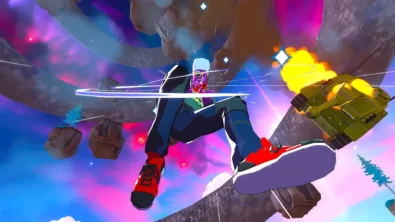
From a Star Trek survival-strategy take to stealth with Styx, eerie Backrooms horror, and management sims, Xbox’s February 17-20 slate packs 14 launches with Series X|S optimizations and cross-platform perks.
February 13, 2026
7
First full gameplay for CONTROL Resonant runs on PS5 Pro, spotlighting Dylan Faden in a reality-bending Manhattan with vast zones and Gravity Anomalies. Launch set for 2026 across console and PC ecosystems.
February 13, 2026
4
Borderlands 4 sets a co-op goal for this weekend: hit 500,000 successful teammate revives between February 12-15 to unlock a universal cosmetic skin. A minor update adds three Weekly Big Encore boss fights to raise the stakes.
February 13, 2026
6
A milestone collection bundles five classic Rayman versions, a first-ever playable SNES prototype, reimagined music, modern assist options, and over 50 minutes of developer interviews.
February 13, 2026
6

Співпраця
Співпраця - текст
TopGame Newsletter!
Unlock exclusive gaming deals, fresh guides, and insider picks — straight to your inbox. No spam, just real content for real players.
