


Popular articles



AI, ethics, and collaboration define S Summit 2025 in Beijing
Table of Content

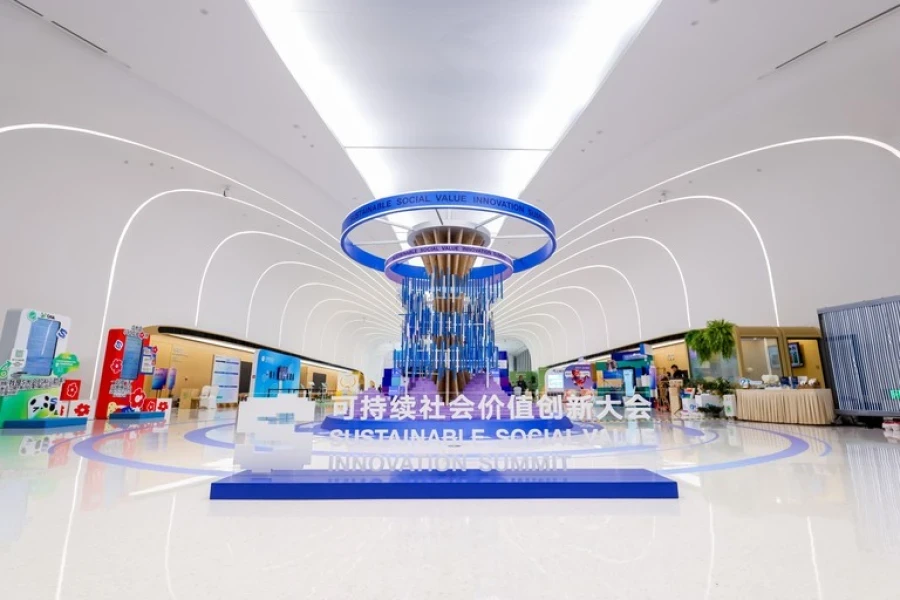
The Sustainable Social Value Innovation Summit (S Summit) convened in Beijing on December 3, 2025, assembling 1,400 on-site attendees and a global online audience in the millions. The program asked a focused question: how to ensure rapidly advancing AI becomes a driver of sustainable development rather than widening societal gaps. Speakers from academia and industry presented frameworks, case studies, and governance ideas. The discussions emphasized human-centered design, transparency, and cross-sector alliances as foundations for AI built in the public interest.
Main forum: reskilling, human-centered design, and governance
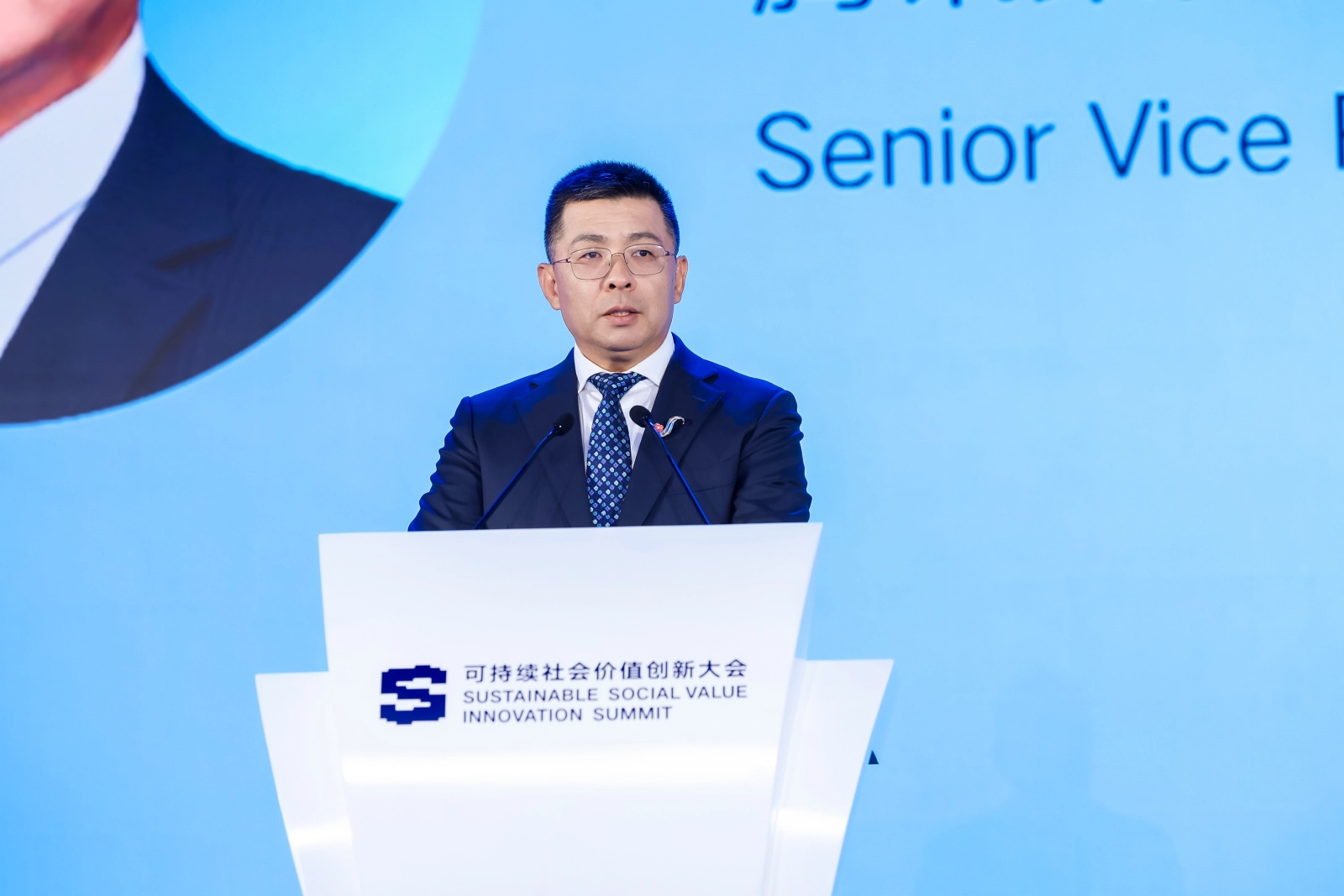
Tsinghua University’s Professor Yang Bin underscored reskilling as a critical corporate lever in the AI era, positioning technology to ease the impact of skill obsolescence. Tencent Senior Vice President Dan Xi highlighted that AI aligned with human-centered values can deliver practical, socially beneficial solutions. Further academic perspectives added scope and guardrails: Turing Award laureate Andrew Chi-Chih Yao pointed to AI’s role in accelerating scientific discovery and sustainability, while Professor Xue Lan outlined governance frameworks aimed at strengthening trust, fairness, and human dignity.
Three themes that anchored the event
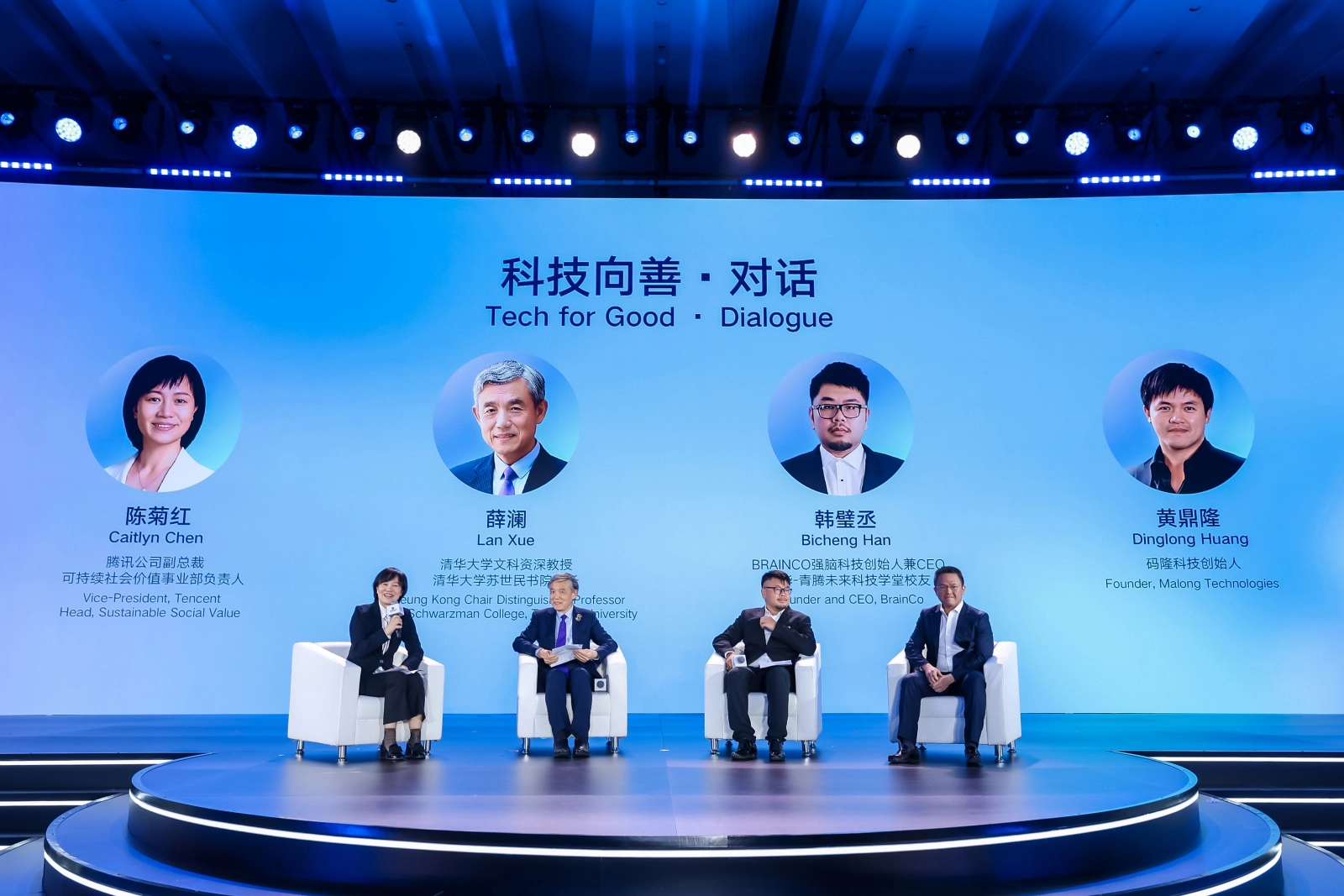
- AI with purpose – tools that meet concrete human needs, expand access, and support care.
- Responsible innovation – trust built on transparency, governance, and ethics.
- Ecosystem collaboration – systemic issues addressed through multi-stakeholder partnerships.
This cross-sector approach was emphasized by François Bonnici, Director of the Schwab Foundation for Social Entrepreneurship:
“No single organization can solve the challenges we have in society and the economy today. We need cross-sector collaboration for social innovation.”
From vision to action: focus forums
Workshops translated strategy into applications, showcasing how AI is already entering everyday contexts. Demonstrations included AI-enabled prosthetics that improve mobility and emerging mental-health tools designed to broaden access to care. One project from Tong Chong (State Grid, Suzhou) presented a dynamic lightning prevention system using AI prediction and high-precision detection – a local solution that evolved into a 20-country collaboration, underscoring the impact of shared knowledge.
Read also our article: What’s new on Xbox: more Play Anywhere games and cloud options
AI research and youth engagement
Researchers examined generative engineering intelligence, digital life, and governance as humans and AI co-evolve. Youth-led teams showcased community-focused solutions spanning culture, climate, and social services. The takeaway was clear: young innovators are not just future beneficiaries of AI – they are shaping its direction today and helping to bridge the digital divide.
Social innovation ecosystem and impact investing
Panelists stressed that robust ecosystems – combining capital, policy, technology, and trust – are essential for sustainable growth. The conversation moved from isolated pilots toward shared systems, where capabilities can be opened as public goods and cross-border alliances help successful ideas travel. In impact investing, speakers noted Asia’s rapidly growing market and discussed AI-informed approaches to balance measurable social outcomes with financial sustainability.
On-site experiences: applied innovation in context
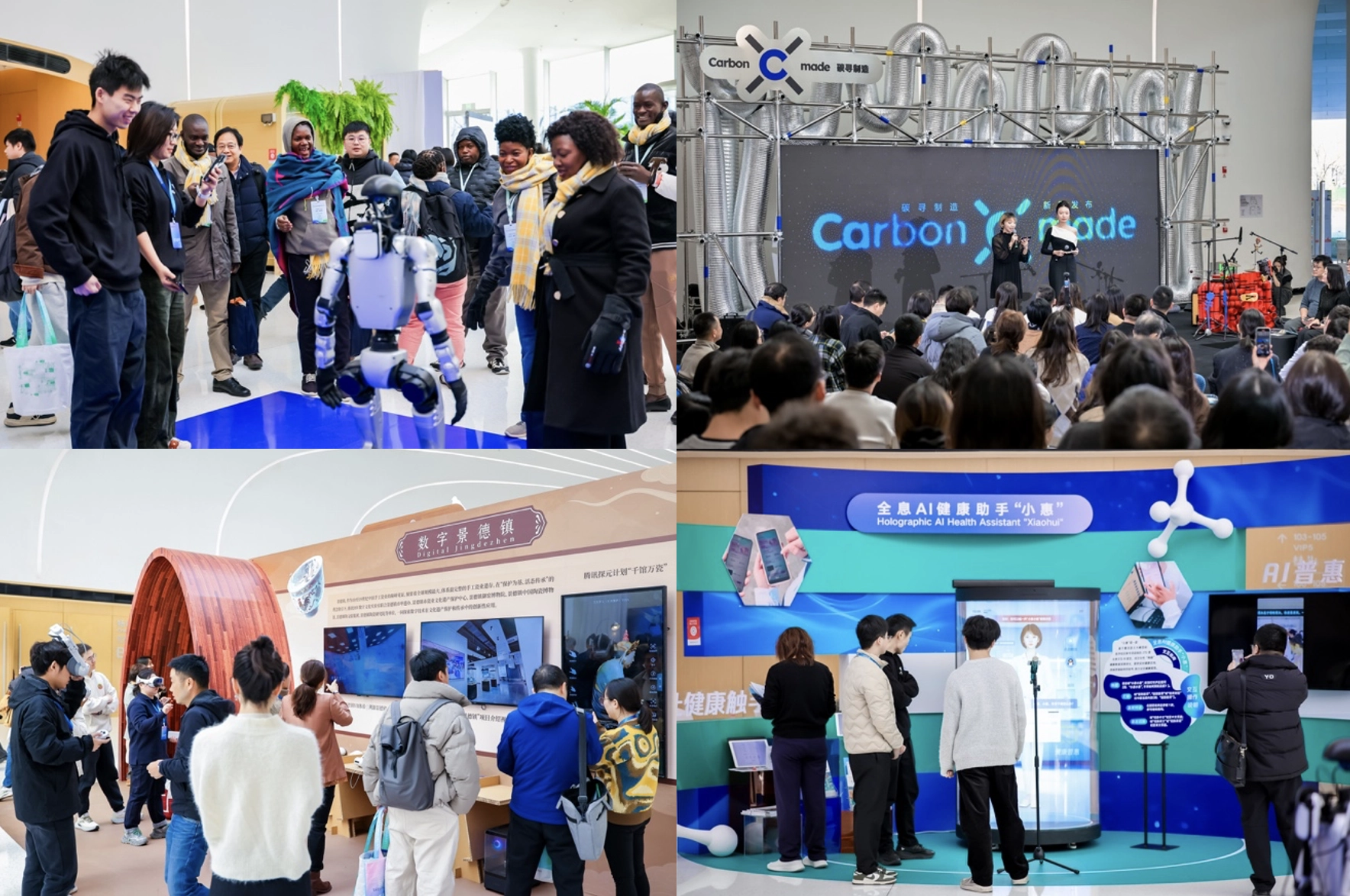
The venue featured hands-on exhibits that made complex tech tangible: AI-assisted therapy rooms, companion robots, holographic health tools, and VR cultural heritage experiences. The CarbonXmade showcase displayed everyday products made from captured CO₂, connecting climate tech with practical use cases.
Official video
Event video link (official source):
Final takeaway – why this matters for players
For players and creators alike, S Summit 2025 signals where AI is heading: ethics-first design, transparent governance, and practical accessibility gains. The focus on youth innovation, VR culture, and human-centered tools aligns with trends shaping game development, community health, and digital inclusion. As these ideas move into pilots and research through 2026 and beyond, the implications are straightforward – better access, safer systems, and tech that serves people first.
Category

Share the news


Meet the Author

Article:
Read all


Solid Snake joins Rainbow Six Siege on March 3 with intel‑driven tools and scavenging gameplay. A few weeks later, a limited‑time 4v4 infiltration mode arrives alongside map and balance updates.
 February 15, 2026
 3
3
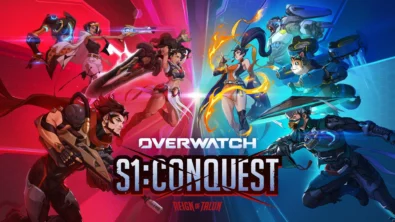
Season 1 opens the first chapter with Domina, Emre, Mizuki, Anran, and Jetpack Cat, plus the Conquest meta race between Overwatch and Talon. The world will update in real time as the story unfolds.
February 14, 2026
3
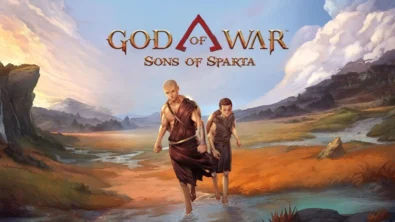
Kratos’ Spartan youth becomes playable in God of War Sons of Sparta – a canon, pixel‑art 2D prequel on PS5 with customizable spear‑and‑shield combat, Gifts of Olympus, and returning voice talent.
February 13, 2026
5

Ancient embalming, step by step – a new museum installation built on Assassin’s Creed Origins’ Discovery Tour lets visitors explore mummification interactively at Musée de l’Homme, open November 2025-May 2026.
February 13, 2026
6
Read also
Solid Snake joins Rainbow Six Siege on March 3 with intel‑driven tools and scavenging gameplay. A few weeks later, a limited‑time 4v4 infiltration mode arrives alongside map and balance updates.
February 15, 2026
3
Kratos’ Spartan youth becomes playable in God of War Sons of Sparta – a canon, pixel‑art 2D prequel on PS5 with customizable spear‑and‑shield combat, Gifts of Olympus, and returning voice talent.
February 13, 2026
5
Ancient embalming, step by step – a new museum installation built on Assassin’s Creed Origins’ Discovery Tour lets visitors explore mummification interactively at Musée de l’Homme, open November 2025-May 2026.
February 13, 2026
6

From training mode to centre stage: Rainbow Six Siege’s debut 1v1 circuit lands at the Six Invitational in Paris. Four regions, more than 3,200 entrants, semifinals Feb 14 and final Feb 15 for 5,000 US dollars.
February 13, 2026
5
Blizzard links its 2026 milestones with a cross‑franchise Showcase and confirms BlizzCon’s return later this year – with more announcements and “surprises” still queued, says president Johanna Faries.
February 13, 2026
5

High On Life 2 launches with day-one Game Pass Ultimate support, while Narrative Director Alec Robbins explains how the team crafts jokes with players—shaping character-driven, reactive comedy.
February 13, 2026
6
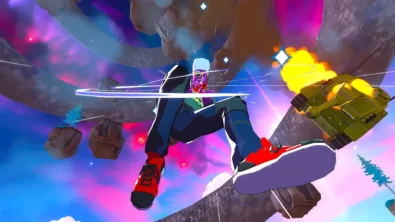
From a Star Trek survival-strategy take to stealth with Styx, eerie Backrooms horror, and management sims, Xbox’s February 17-20 slate packs 14 launches with Series X|S optimizations and cross-platform perks.
February 13, 2026
7

First full gameplay for CONTROL Resonant runs on PS5 Pro, spotlighting Dylan Faden in a reality-bending Manhattan with vast zones and Gravity Anomalies. Launch set for 2026 across console and PC ecosystems.
February 13, 2026
4
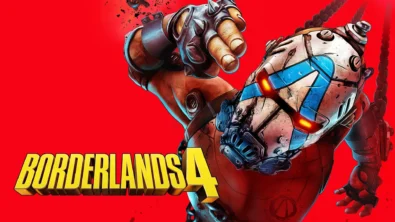
Borderlands 4 sets a co-op goal for this weekend: hit 500,000 successful teammate revives between February 12-15 to unlock a universal cosmetic skin. A minor update adds three Weekly Big Encore boss fights to raise the stakes.
February 13, 2026
6
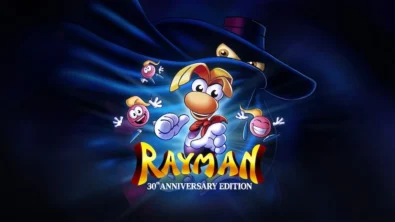
A milestone collection bundles five classic Rayman versions, a first-ever playable SNES prototype, reimagined music, modern assist options, and over 50 minutes of developer interviews.
February 13, 2026
6

Співпраця
Співпраця - текст
TopGame Newsletter!
Unlock exclusive gaming deals, fresh guides, and insider picks — straight to your inbox. No spam, just real content for real players.
