


Popular articles



Cairn’s Official Guide: Master Stamina, Pitons and Chalk on Kami
Table of Content

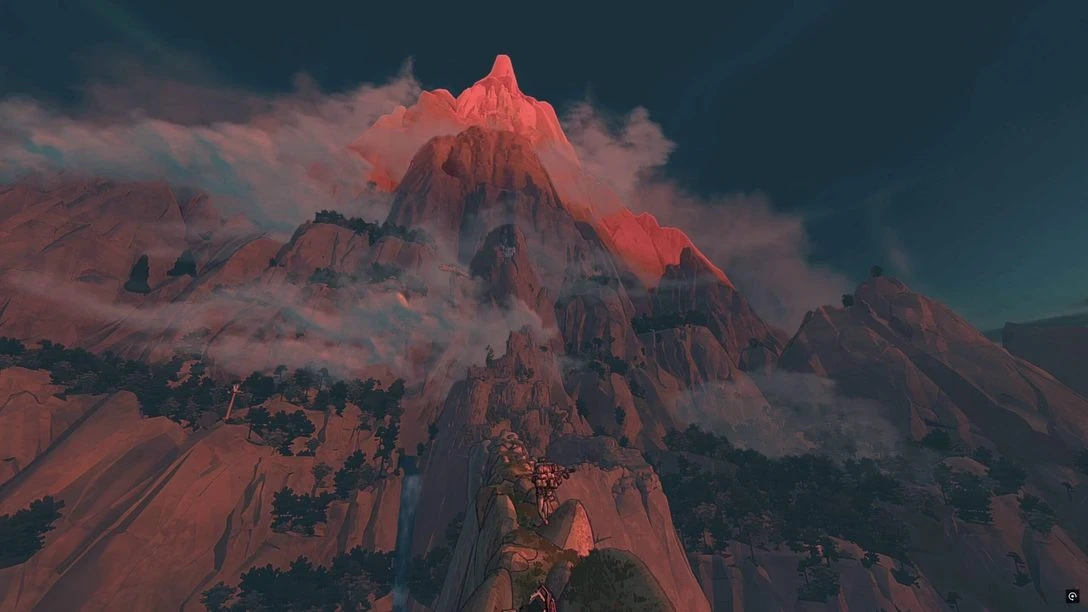
Developers behind Cairn have published a detailed set of climbing pointers focused on the mountain Kami – a central challenge that demands patience, planning and precise inputs. The guidance explains how to read a wall, conserve energy, and recover safely while ascending ever more dangerous faces. It also highlights when to trust chalk, how to lean on pitons for both safety and stamina, and why some rock types reshuffle your approach. The tips reference PlayStation inputs and cover everything from manual limb control to late‑game ice climbs. Below is a clear breakdown of what actually changes your odds on the wall.
Plan Routes, Pace Every Move, Protect Your Stamina
The in‑game climbing gym serves as a low‑risk tutorial for three core habits: pre‑plan a line, move deliberately, and guard stamina. You can scout ahead by angling the camera upward or using a zoomed‑out view (L1) to avoid dead ends that force costly backtracking. Aava’s limbs will visibly shake when a hold is poor or weight is badly distributed – stay too long and she will slip.
Stamina is your constant limit. While in a stable position, tapping Triangle lets Aava shake out a tired limb to regain energy. A color cue communicates recovery quality: green means solid, yellow signals caution. Listen for breathing – steady is fine, quickening means she needs a better resting stance immediately.
Drop Pitons Early and Often
Pitons are safety anchors and soft checkpoints. Clipping to one stops catastrophic falls and allows instant return after a slip. At any piton, you can “off belay” (X) to fully restore stamina and access your backpack for items such as food or chalk. Placement uses Up on the d‑pad with a timing press on X; practicing that timing reduces breakage and enables fast emergency anchors. The official advice is clear: build the habit of placing pitons regularly rather than waiting for a panic moment.
Resource anxiety is minimal: pitons are found frequently, and Climbot can craft one piton from two piton‑scrap sets.
Not All Holds Are Equal
Walls may look dense with grips, but many are inefficient or deceptive. Vertical cracks tire Aava quickly, while wide ledges and larger features provide safer rest stances. Move slowly to test each hold and watch how Aava sets a hand or foot; if she braces flat against the rock instead of gripping, reset that limb before committing to the next move.
Chalk: Small Boost, Big Impact
Chalk offers a consistent, low‑risk buff: applying it (Right on the d‑pad) improves the next 12 handholds. It’s especially useful over sparse or marginal grips, letting you traverse to a better stance more reliably. The guide encourages frequent use; Climbot replenishes chalk when composting trash, maintaining a healthy supply.
Manual Limb Control for Precise Movement
Although the default system auto‑selects a limb for each move, the developers recommend switching when precision matters. Hold R1 and choose a limb with the right stick to secure the exact sequence you intend. Manual selection is crucial when escaping bad positions or threading technical moves where a wrong hand or foot can lead to a fall.
Rock Types Change Your Strategy
Most walls are gray and craggy, but glossy brown rock patches behave differently. They are more slippery, often feature smaller holds, and are too dense for pitons. Scan routes to go around them or plan a fast, well‑buffed passage over them. Chalk and food boosts are recommended when you must commit to these sections.
Exploration Pays Off
Kami hides troglodyte caves, homes and temples. Exploring side areas yields save points, supplies and upgrades – including indestructible troglodyte pitons that work on any rock, larger chalk bags, and food recipes. These detours can also reveal safer or more efficient lines up the mountain.
Ice Walls: Safer Placements, Slower Progress
Higher on Kami, ice becomes common. Aava automatically swaps to ice axes and foot spikes when targeting ice. The tradeoff: you can create placements almost anywhere, but climbing consumes more stamina overall. Favor natural cracks; if a tool or spike bounces before sticking, that hold is unreliable. When needed, you can create a crack by holding and releasing Square, at the cost of extra stamina. Frequent micro‑rests are key on ice.
Playstation Input Essentials
Below is a quick control refresher referenced in the official guide. It helps translate each tip into in‑game execution.
| Action | Input |
| Zoomed‑out route view | L1 |
| Shake out limb (recover) | Triangle |
| Place piton (start/confirm) | Up on d‑pad / X with timing |
| Off belay (full stamina + backpack) | X at a piton |
| Apply chalk | Right on d‑pad (buffs next 12 handholds) |
| Manual limb selection | Hold R1 + right stick |
| Create ice crack | Hold and release Square |
Read also our article: Dragon Quest Vii Reimagined on Ps5 – New Arcs, Diorama Flair
Final Takeaway – Climb Slower to Climb Farther
The official tips frame Cairn as a systems‑driven climb where anticipation, frequent anchoring and stamina discipline matter more than speed. Practice piton timing, use chalk generously, and read each wall – including its rock type – before committing. With steady pacing and precise limb control, the route to Kami’s summit becomes tough but manageable.
Category


Share the news


Meet the Author


Article:
Read all

Solid Snake joins Rainbow Six Siege on March 3 with intel‑driven tools and scavenging gameplay. A few weeks later, a limited‑time 4v4 infiltration mode arrives alongside map and balance updates.
 February 15, 2026
 6
6

Season 1 opens the first chapter with Domina, Emre, Mizuki, Anran, and Jetpack Cat, plus the Conquest meta race between Overwatch and Talon. The world will update in real time as the story unfolds.
February 14, 2026
6
Kratos’ Spartan youth becomes playable in God of War Sons of Sparta – a canon, pixel‑art 2D prequel on PS5 with customizable spear‑and‑shield combat, Gifts of Olympus, and returning voice talent.
February 13, 2026
8
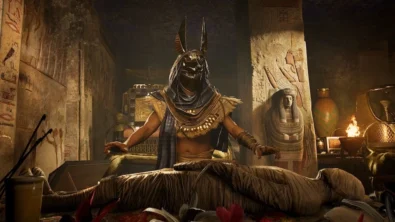
Ancient embalming, step by step – a new museum installation built on Assassin’s Creed Origins’ Discovery Tour lets visitors explore mummification interactively at Musée de l’Homme, open November 2025-May 2026.
February 13, 2026
9
Read also
Solid Snake joins Rainbow Six Siege on March 3 with intel‑driven tools and scavenging gameplay. A few weeks later, a limited‑time 4v4 infiltration mode arrives alongside map and balance updates.
February 15, 2026
6
Kratos’ Spartan youth becomes playable in God of War Sons of Sparta – a canon, pixel‑art 2D prequel on PS5 with customizable spear‑and‑shield combat, Gifts of Olympus, and returning voice talent.
February 13, 2026
8
Ancient embalming, step by step – a new museum installation built on Assassin’s Creed Origins’ Discovery Tour lets visitors explore mummification interactively at Musée de l’Homme, open November 2025-May 2026.
February 13, 2026
9
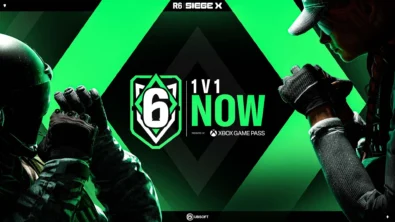
From training mode to centre stage: Rainbow Six Siege’s debut 1v1 circuit lands at the Six Invitational in Paris. Four regions, more than 3,200 entrants, semifinals Feb 14 and final Feb 15 for 5,000 US dollars.
February 13, 2026
8
Blizzard links its 2026 milestones with a cross‑franchise Showcase and confirms BlizzCon’s return later this year – with more announcements and “surprises” still queued, says president Johanna Faries.
February 13, 2026
7

High On Life 2 launches with day-one Game Pass Ultimate support, while Narrative Director Alec Robbins explains how the team crafts jokes with players—shaping character-driven, reactive comedy.
February 13, 2026
9
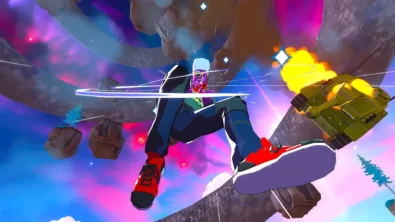
From a Star Trek survival-strategy take to stealth with Styx, eerie Backrooms horror, and management sims, Xbox’s February 17-20 slate packs 14 launches with Series X|S optimizations and cross-platform perks.
February 13, 2026
9
First full gameplay for CONTROL Resonant runs on PS5 Pro, spotlighting Dylan Faden in a reality-bending Manhattan with vast zones and Gravity Anomalies. Launch set for 2026 across console and PC ecosystems.
February 13, 2026
7

Borderlands 4 sets a co-op goal for this weekend: hit 500,000 successful teammate revives between February 12-15 to unlock a universal cosmetic skin. A minor update adds three Weekly Big Encore boss fights to raise the stakes.
February 13, 2026
8
A milestone collection bundles five classic Rayman versions, a first-ever playable SNES prototype, reimagined music, modern assist options, and over 50 minutes of developer interviews.
February 13, 2026
9

Співпраця
Співпраця - текст
TopGame Newsletter!
Unlock exclusive gaming deals, fresh guides, and insider picks — straight to your inbox. No spam, just real content for real players.
