


Popular articles



Dark Quest 4 rethinks dungeons with multi‑floor quests and tactics
Table of Content

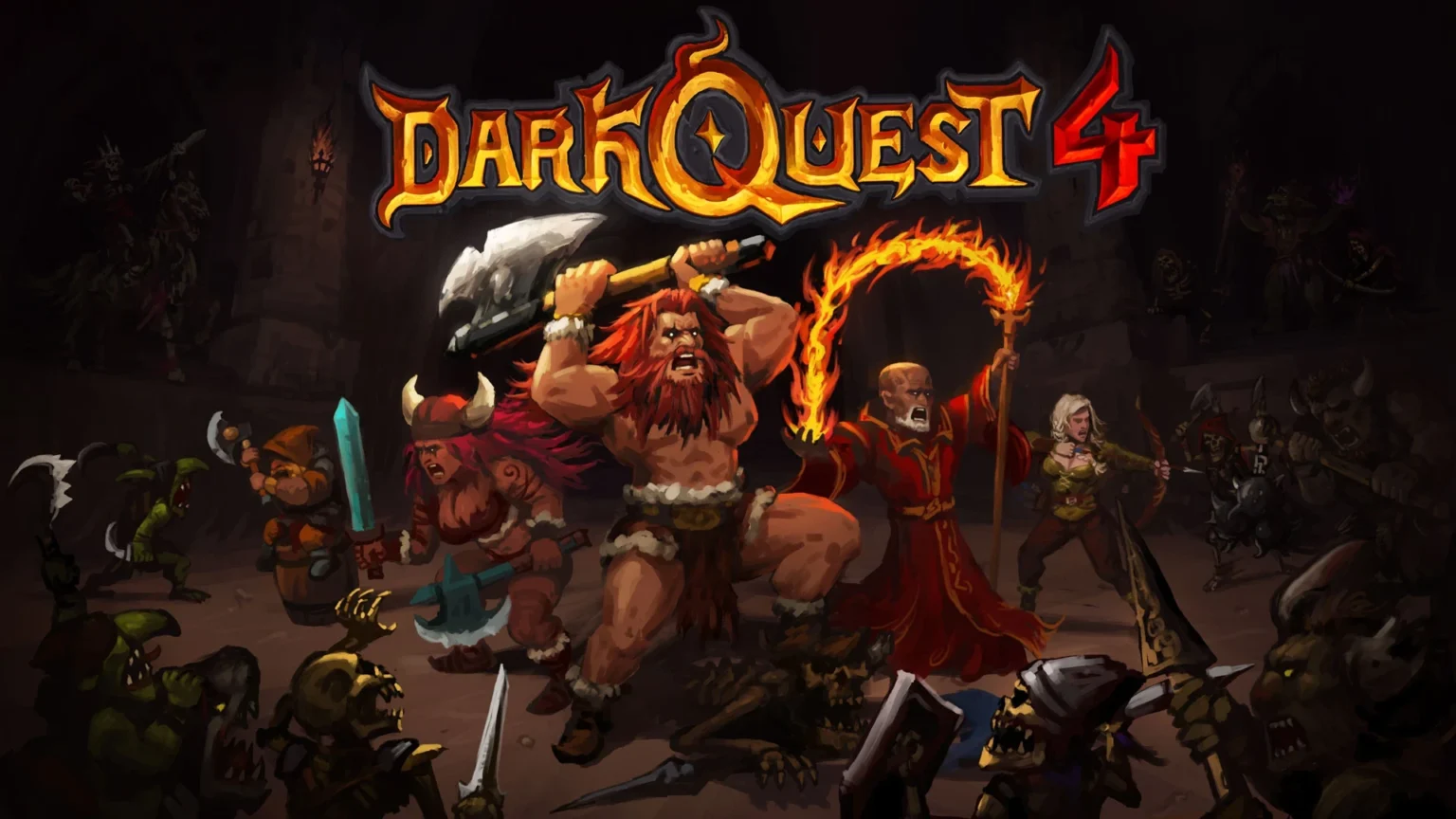
Dark Quest 4 arrives with a clear design goal: preserve the board‑game feel of room‑by‑room exploration while smoothing out the fussy parts that slow tabletop play. The developers cite Hero Quest as the creative spark, adapting its dungeon‑delving rhythm to a faster, clearer video game format. The result keeps the core loop – open a door, survey the room, make a plan – but without dice‑management overhead. The team also outlines how visibility, scale, and variety shaped key systems, from traps to hero rotation. The game is available now on Xbox with local couch co‑op.
From tabletop roots to a streamlined video game
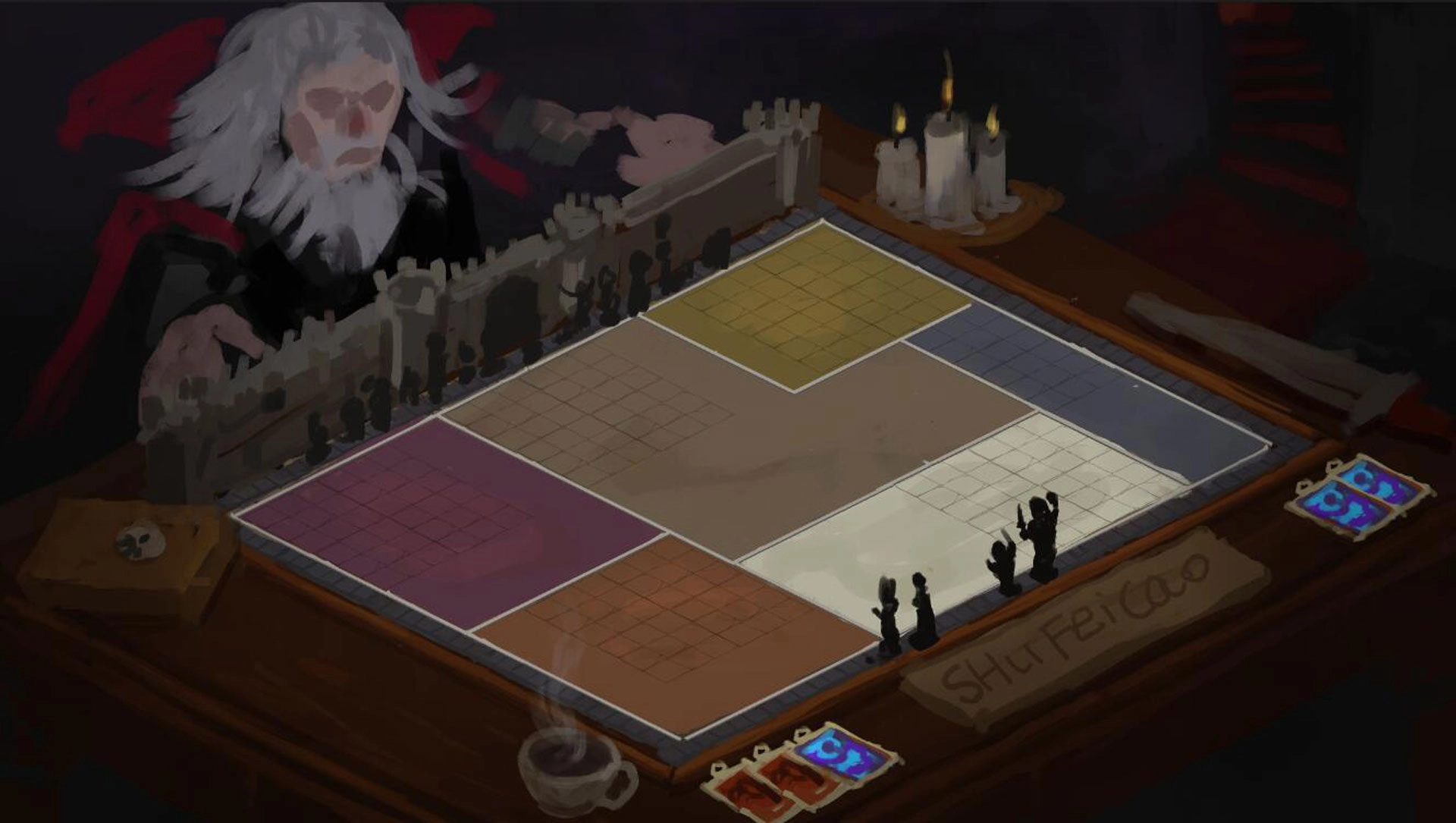
The project started by translating room‑by‑room exploration into a digital space, aiming for immediacy without losing the tension of the unknown. Early large maps made the hero and details feel too small, so the team pulled back on scale to keep tactical clarity. The isometric view and tile‑based layouts created occlusion and space trade‑offs – problems addressed through structural changes to how quests are built.
Designing for the unknown: scale, sightlines, and pacing
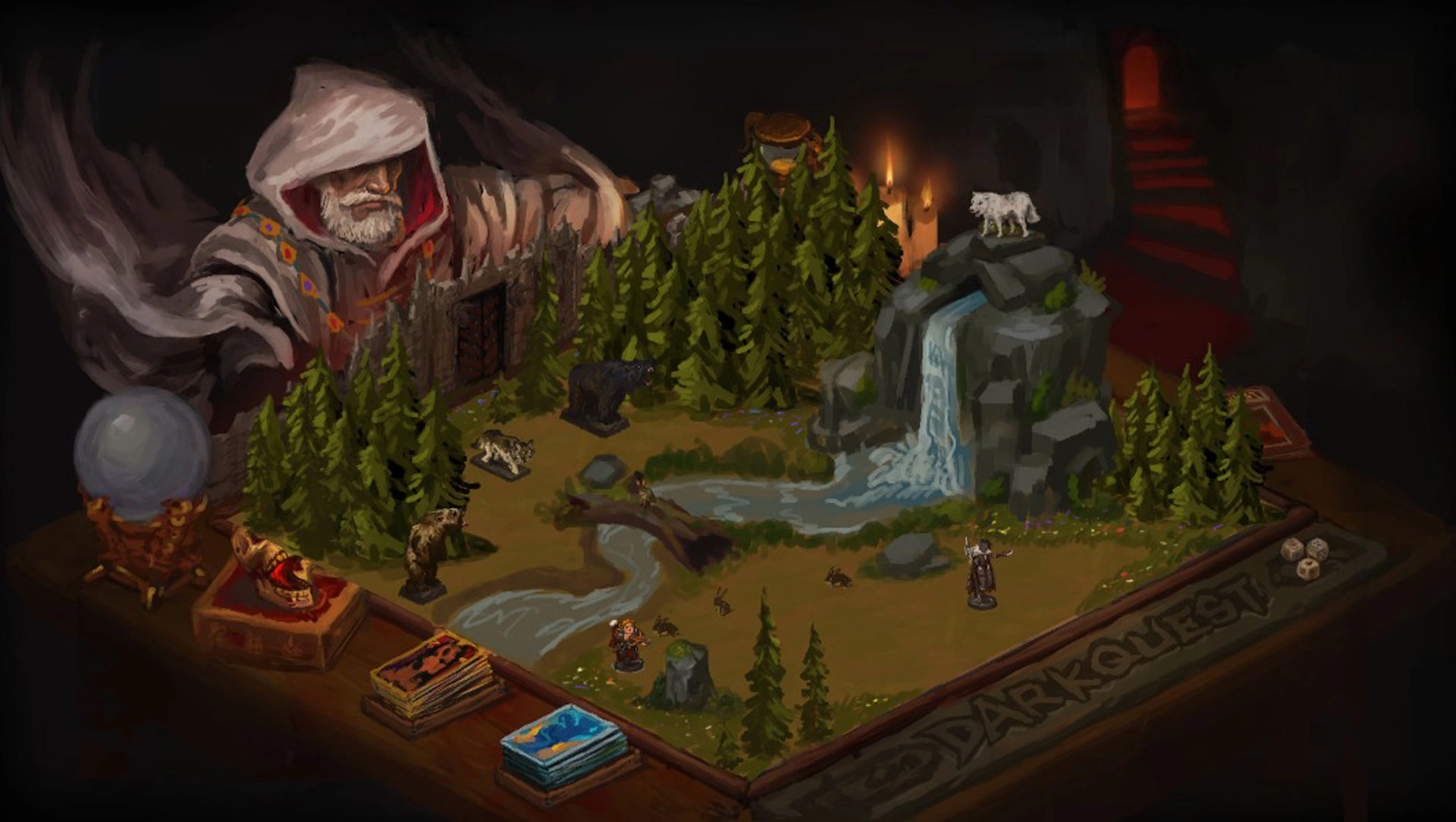
To solve readability and pacing, each quest was split into multiple floors. Players move via staircases into new, partially shrouded levels, maintaining suspense while keeping characters and environments clear on screen. Floors retain a thematic throughline – encounter types on early floors inform what’s likely ahead – and quest descriptions and notes hint at upcoming threats so players can plan rather than guess.
Traps that serve strategy, not surprise
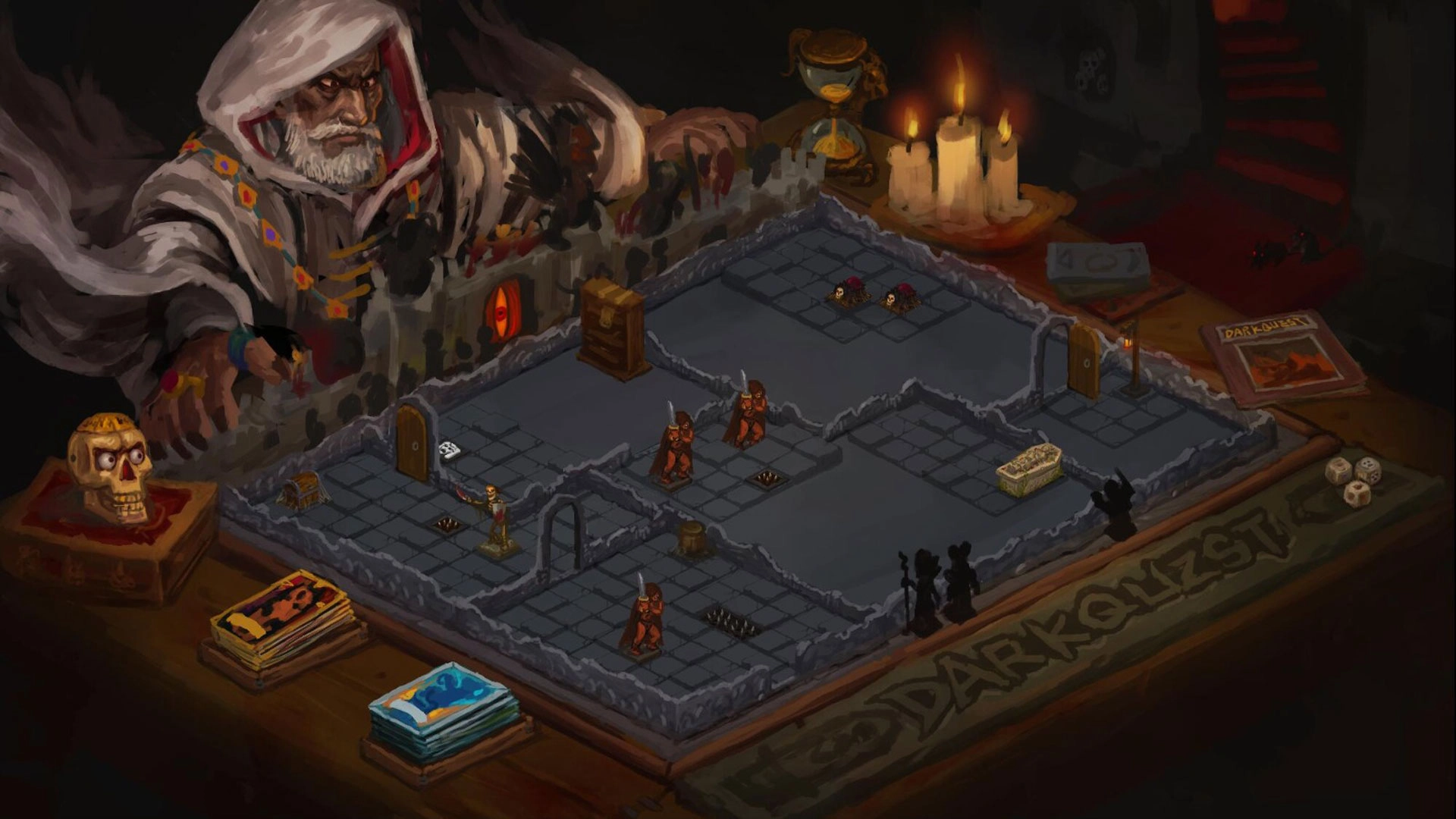
Invisible traps in earlier designs undermined planning. Dark Quest 4 shifts to visible trap placement, often guarding doors or treasure. That change turns hazards into deliberate tactical choices – accept the risk now, seek an alternative route, or use the environment to your advantage – instead of unpredictable interruptions that derail a turn.
Rotating heroes to keep parties fresh
With 10 heroes available, the studio wanted players to actually switch lineups. A new system simulates exhaustion and “death” carryover: repeatedly using a hero or losing them in a quest reduces their starting health next time, while benching a hero for a few quests increases it. The intent is to encourage rotation and highlight different party synergies without forcing hard swaps mid‑mission.
Read also our article: Chun-Li arrives in Fatal Fury: City of the Wolves – here’s what changed
Campaign structure and the Hero Camp hub
Once quest building blocks were set, the team layered in a narrative campaign that threads motivations from mission to mission. Between delves, the Hero Camp acts as a central hub to manage hero progression and acquire cards, tying preparation, strategy, and story together before heading back underground.
Local co‑op and the board‑game vibe
Dark Quest 4 supports couch co‑op on Xbox, leaning into the social feel that inspired the series’ board‑game roots. Coordinating hero abilities, navigating known‑but‑dangerous traps, and reading floor‑to‑floor escalations are designed to work just as well with a partner on the same sofa.
Key changes at a glance
- Multi‑floor quests – improves clarity and preserves the mystery of unexplored areas.
- Visible traps – hazards become tactical choices rather than hidden gotchas.
- Hero rotation system – exhaustion and recovery tweak starting health to promote variety.
- Hero Camp hub – manage progression and cards, bridging strategy and story.
- Couch co‑op on Xbox – co‑ordinated dungeon runs with a board‑game atmosphere.
Why it matters
Dark Quest 4 focuses on clarity, foresight, and party variety – the pillars that make tactical dungeon crawlers satisfying. If you want board‑game tension without tabletop friction, its multi‑floor structure, transparent hazards, and hero rotation are built to reward planning as much as daring.
Category

Share the news


Meet the Author


Article:
Read all


Solid Snake joins Rainbow Six Siege on March 3 with intel‑driven tools and scavenging gameplay. A few weeks later, a limited‑time 4v4 infiltration mode arrives alongside map and balance updates.
 February 15, 2026
 79
79
Season 1 opens the first chapter with Domina, Emre, Mizuki, Anran, and Jetpack Cat, plus the Conquest meta race between Overwatch and Talon. The world will update in real time as the story unfolds.
February 14, 2026
85
Kratos’ Spartan youth becomes playable in God of War Sons of Sparta – a canon, pixel‑art 2D prequel on PS5 with customizable spear‑and‑shield combat, Gifts of Olympus, and returning voice talent.
February 13, 2026
72
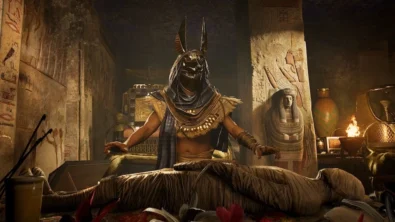
Ancient embalming, step by step – a new museum installation built on Assassin’s Creed Origins’ Discovery Tour lets visitors explore mummification interactively at Musée de l’Homme, open November 2025-May 2026.
February 13, 2026
71
Read also
Solid Snake joins Rainbow Six Siege on March 3 with intel‑driven tools and scavenging gameplay. A few weeks later, a limited‑time 4v4 infiltration mode arrives alongside map and balance updates.
February 15, 2026
79
Kratos’ Spartan youth becomes playable in God of War Sons of Sparta – a canon, pixel‑art 2D prequel on PS5 with customizable spear‑and‑shield combat, Gifts of Olympus, and returning voice talent.
February 13, 2026
72
Ancient embalming, step by step – a new museum installation built on Assassin’s Creed Origins’ Discovery Tour lets visitors explore mummification interactively at Musée de l’Homme, open November 2025-May 2026.
February 13, 2026
71
From training mode to centre stage: Rainbow Six Siege’s debut 1v1 circuit lands at the Six Invitational in Paris. Four regions, more than 3,200 entrants, semifinals Feb 14 and final Feb 15 for 5,000 US dollars.
February 13, 2026
70
Blizzard links its 2026 milestones with a cross‑franchise Showcase and confirms BlizzCon’s return later this year – with more announcements and “surprises” still queued, says president Johanna Faries.
February 13, 2026
63

High On Life 2 launches with day-one Game Pass Ultimate support, while Narrative Director Alec Robbins explains how the team crafts jokes with players—shaping character-driven, reactive comedy.
February 13, 2026
65
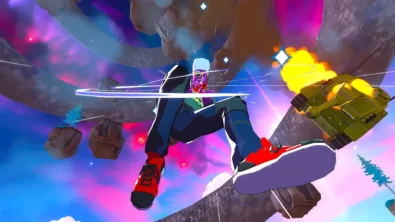
From a Star Trek survival-strategy take to stealth with Styx, eerie Backrooms horror, and management sims, Xbox’s February 17-20 slate packs 14 launches with Series X|S optimizations and cross-platform perks.
February 13, 2026
57
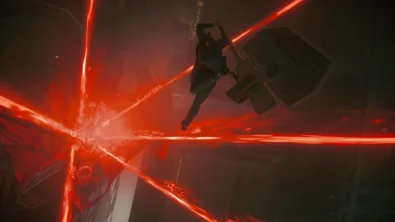
First full gameplay for CONTROL Resonant runs on PS5 Pro, spotlighting Dylan Faden in a reality-bending Manhattan with vast zones and Gravity Anomalies. Launch set for 2026 across console and PC ecosystems.
February 13, 2026
67

Borderlands 4 sets a co-op goal for this weekend: hit 500,000 successful teammate revives between February 12-15 to unlock a universal cosmetic skin. A minor update adds three Weekly Big Encore boss fights to raise the stakes.
February 13, 2026
73
A milestone collection bundles five classic Rayman versions, a first-ever playable SNES prototype, reimagined music, modern assist options, and over 50 minutes of developer interviews.
February 13, 2026
61

Співпраця
Співпраця - текст
TopGame Newsletter!
Unlock exclusive gaming deals, fresh guides, and insider picks — straight to your inbox. No spam, just real content for real players.
