


Popular articles



Inside Ghost of Yōtei: finale design, Storm Blade, and 2026 DLC
Table of Content

Spoiler warning: this story covers late-game missions and the ending of Ghost of Yōtei. In a new developer interview, creative directors Jason Connell and Nate Fox walk through how the finale was built, why optional content lands where it does, and how player choice reshapes the journey. The pair also touch on the toughest duel in the game, weapon unlock logic, and the challenges of making an open world look striking from any angle. Post‑launch plans are confirmed too – New Game Plus arrived on November 24, 2025, with co‑op DLC Ghost of Yōtei Legends set for 2026.
The Lord Saito duel – mastery test and emotional closure
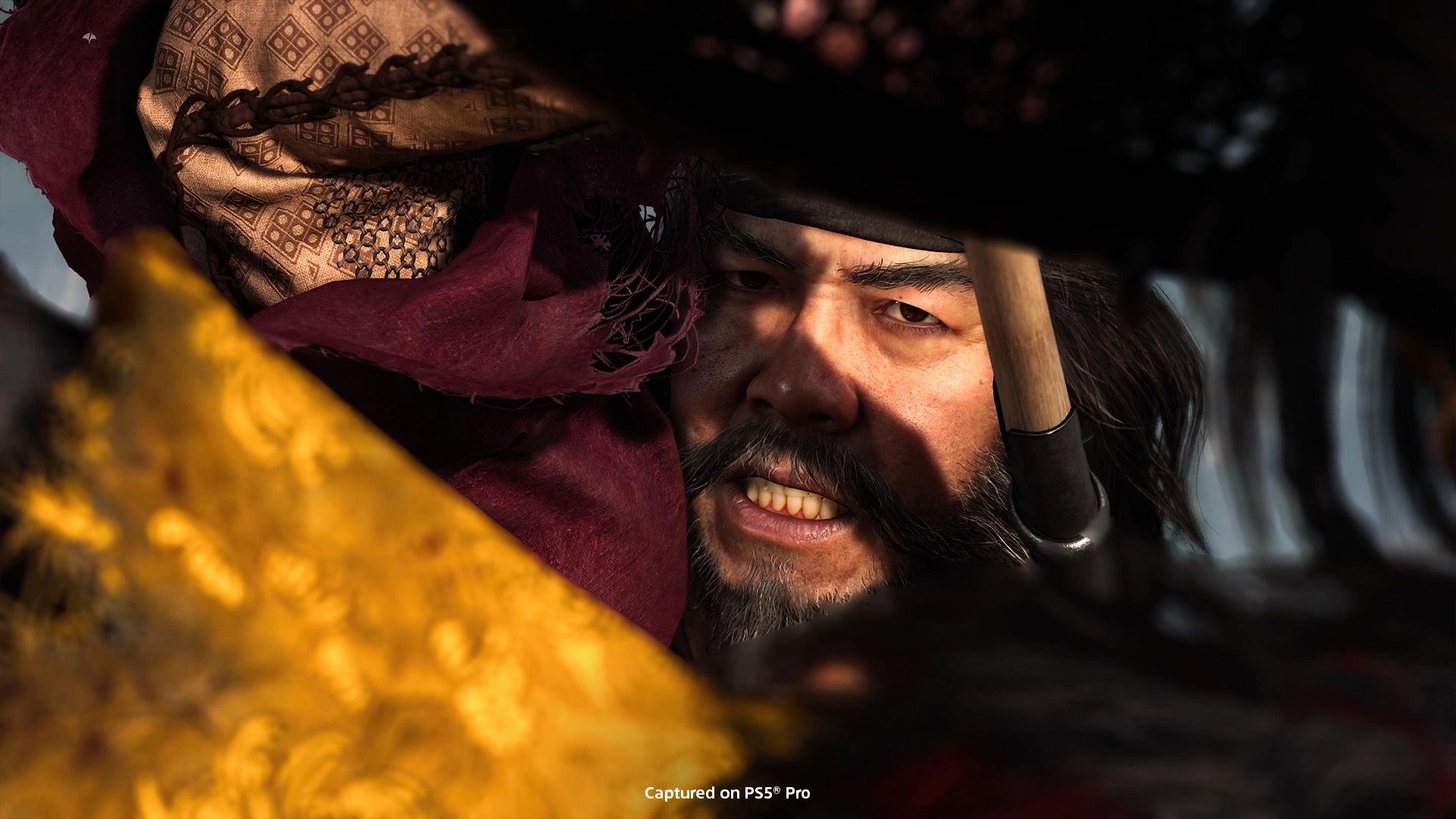
The final confrontation with Lord Saito was designed as a culmination of the player’s growth with Atsu. Saito cycles through attacks that force you to counter with weapons and techniques learned across the campaign, before the fight narrows to katana‑versus‑katana – the blade forged by Atsu’s father becomes the closing statement.
“Saito will attack you with every weapon that you will need to counter with weapons that you’ve learned,” Connell explains. “Ultimately, in the final battle, where it’s Katana versus Katana… that’s the weapon that you finish the battle with.”
Storm Blade – placing Jin Sakai’s fate
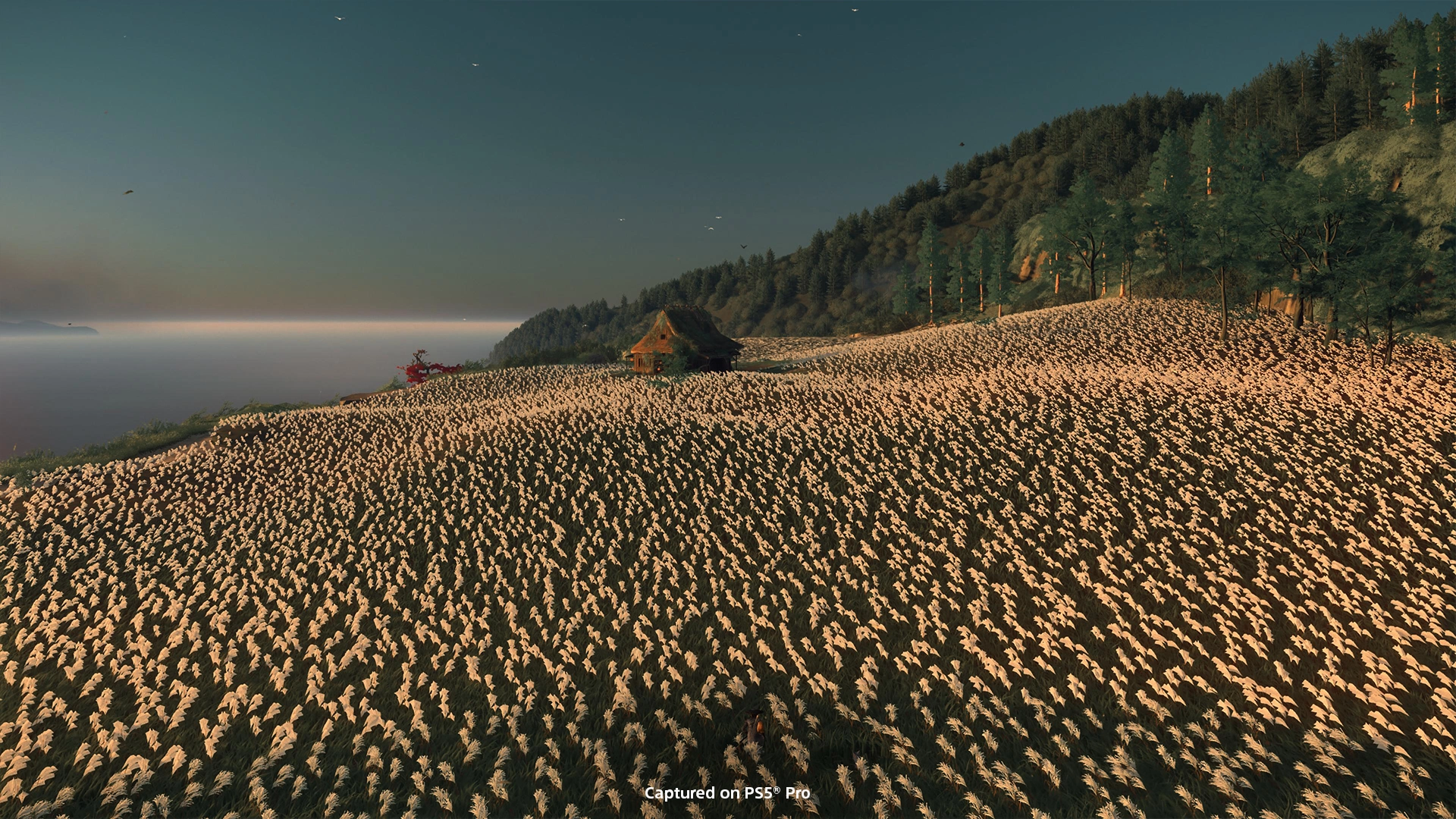
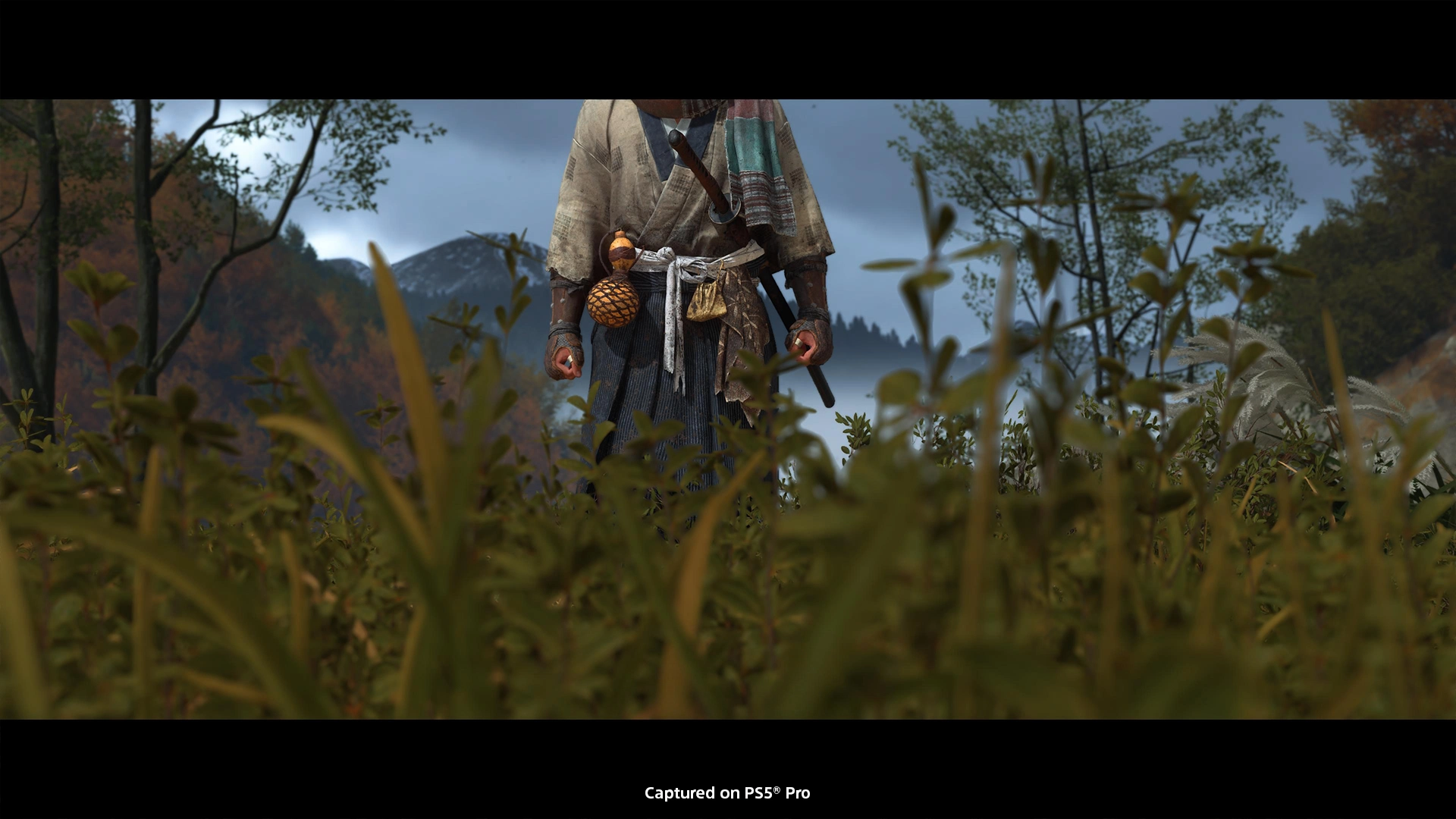
The Storm Blade side story was always intended to reveal what happened to Jin Sakai. The team chose a site that reads as a shrine to his legacy – from the tree and pampas (susuki) grass to the blade itself – and timed its discovery so players would encounter it after settling into Yōtei’s rhythm, rather than immediately.
Fox says the team “found this wonderful spot that really felt like it could be his,” and tuned the timing so finding it later “is a gem, especially if you were a fan of the previous game.”
Takezo the Unrivaled – the game’s peak challenge
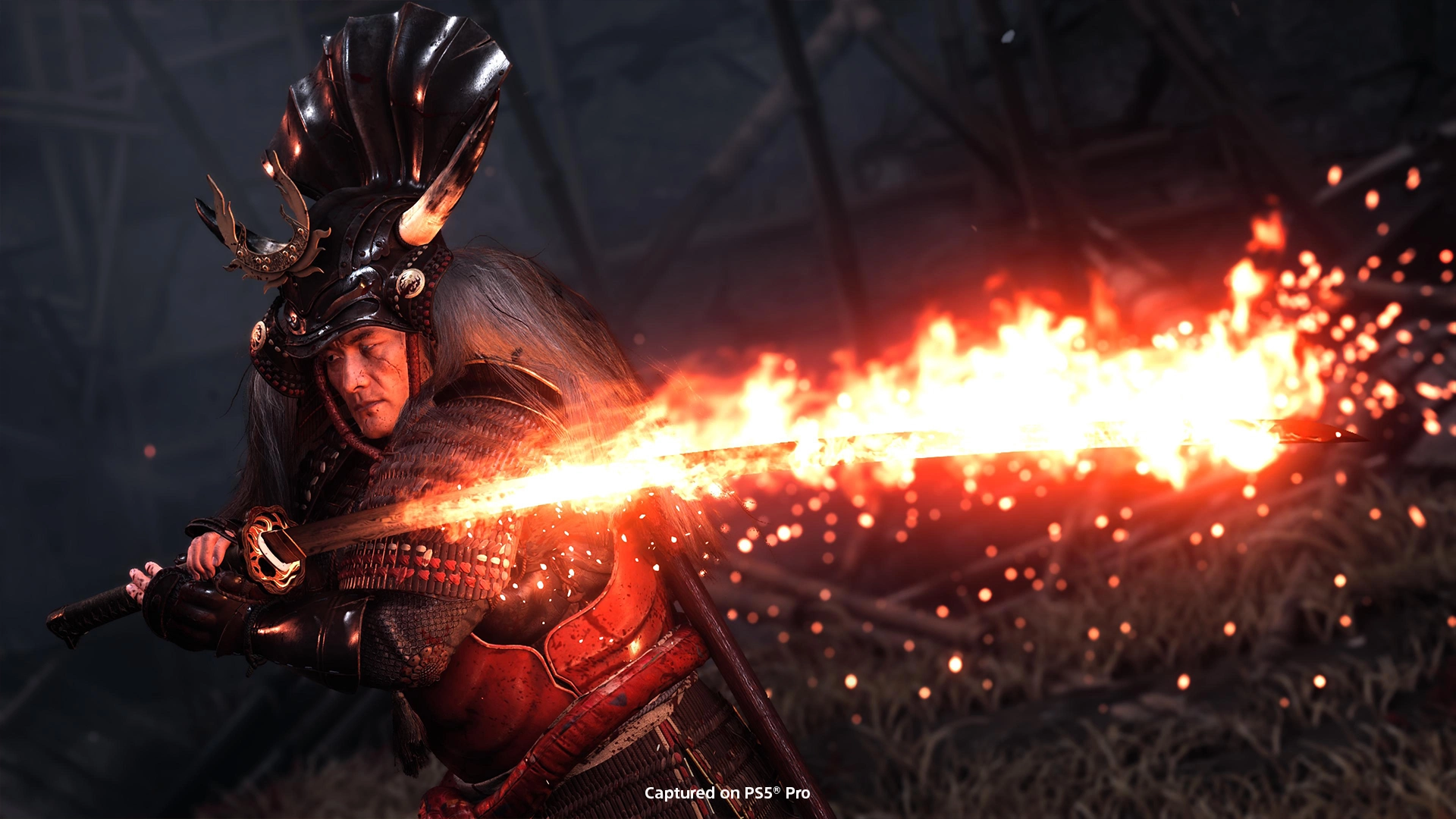
Takezo the Unrivaled was pitched mid‑development as a post‑credits‑style capstone after Atsu’s story. The encounter sits as the hardest fight in the game, tuned by the combat team to a level many considered “impossible.” Internally, a gameplay coder reportedly cleared it on a fourth attempt on Lethal difficulty without all upgrades – a reminder that the fight expects deep familiarity with the systems.
Connell jokes the surefire way to beat it is “to simply make the game for many years and work in the combat team.”
Read also our article: Zenless Zone Zero 2.5 dated: new Void Hunter, co‑op and system upgrades
Freedom versus structure – hunting the Yōtei Six
Beyond the intro with The Snake, players can pursue the Yōtei Six in different orders. Early prototypes were “too open,” so the team pulled back to preserve Atsu’s story arc with a beginning‑middle‑end while still letting players choose routes that reflect their preferred style. Paths can shift your toolkit and tone – for example, a Kitsune‑aligned route expands stealth, while another leans into castle assaults, spear work, and fire weapons.
Weapons and discovery – why firearms are less signposted
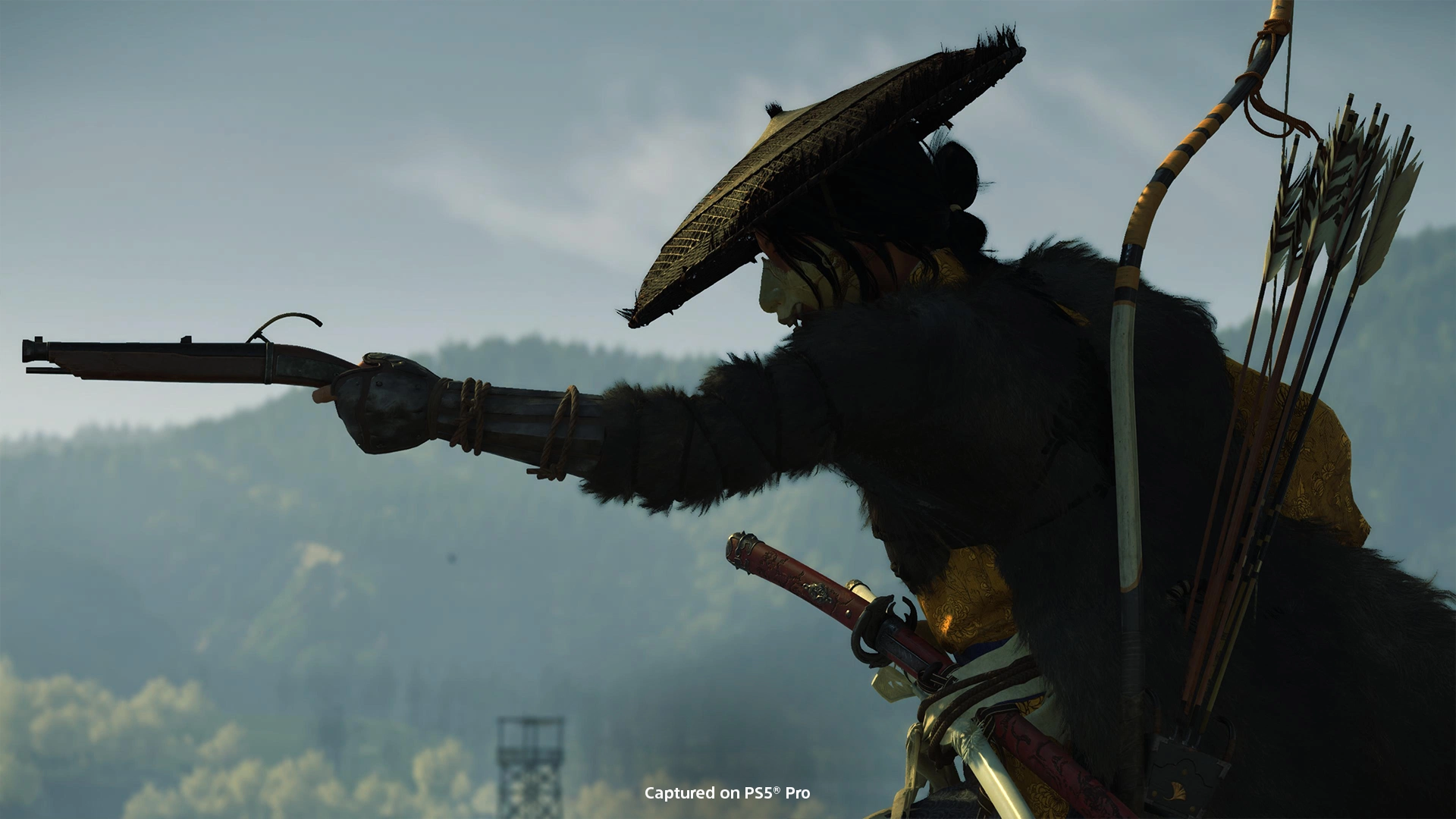
Melee weapons sit at the core of Ghost of Yōtei’s precision combat, so the Sensei quests clearly telegraph what they unlock to ensure most players see them. By contrast, firearms like the rifle and gun are optional and intentionally less obvious, designed to reward exploration and personal choice rather than being guaranteed pickups.
Small encounters with big personality
The world is peppered with short encounters – like the smoke‑bomb escapee who fails his own trick, or the “Irritating Ronin” duel that prompts a sharp reaction from Atsu. These vignettes were built early to give Ezo local color and texture, with many iterations before the keepers made it to the final game.
Making vistas in an open world that never stops moving
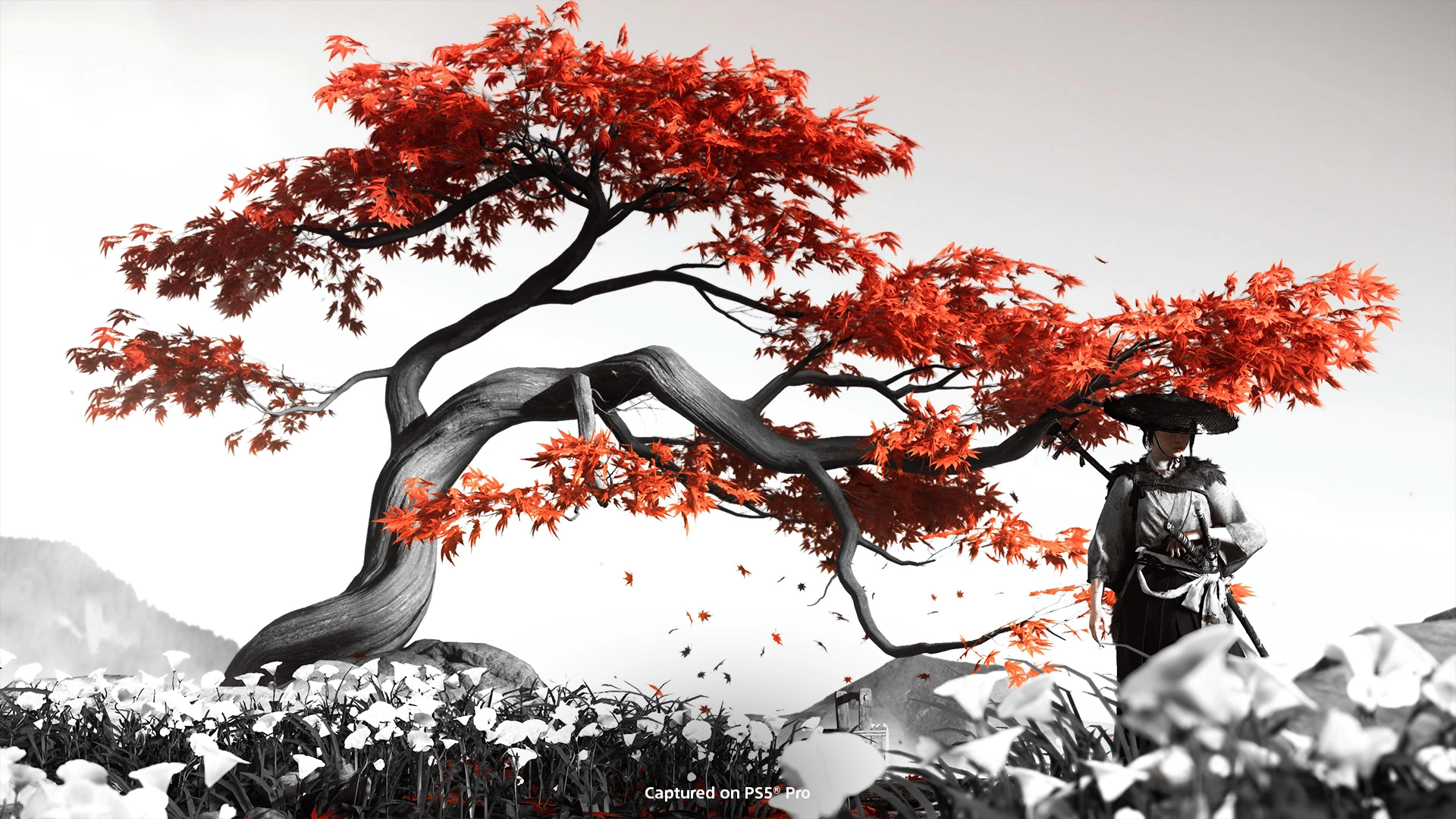
Without control over where players look – or whether it’s day or night – the team focused on atmosphere, lighting, color, and pacing of visual detail so scenes would read well from multiple angles. Some segments, such as Shrine climbs, let artists anticipate camera direction and arrange landmarks accordingly. Select missions, including the Spider Lily quest, use specific times of day to heighten mood.
Post‑launch roadmap – what the team confirmed
The interview reiterates two dated post‑launch beats. The table below summarizes what is officially confirmed and when it arrives.
Why this matters
The finale is built as a skills audit and a story payoff, Storm Blade carefully frames a legacy moment, and Takezo sets a clear ceiling for mastery. With NG+ now available and a co‑op expansion due in 2026, players have reasons to return – whether to perfect counters against Saito, chase hidden firearms, or prepare for Legends.
Category
Share the news


Meet the Author


Article:
Read all

Solid Snake joins Rainbow Six Siege on March 3 with intel‑driven tools and scavenging gameplay. A few weeks later, a limited‑time 4v4 infiltration mode arrives alongside map and balance updates.
 February 15, 2026
 79
79
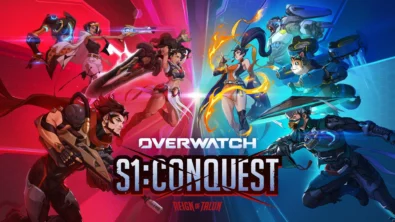
Season 1 opens the first chapter with Domina, Emre, Mizuki, Anran, and Jetpack Cat, plus the Conquest meta race between Overwatch and Talon. The world will update in real time as the story unfolds.
February 14, 2026
85
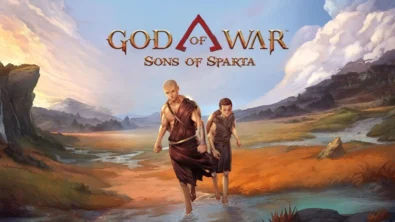
Kratos’ Spartan youth becomes playable in God of War Sons of Sparta – a canon, pixel‑art 2D prequel on PS5 with customizable spear‑and‑shield combat, Gifts of Olympus, and returning voice talent.
February 13, 2026
72
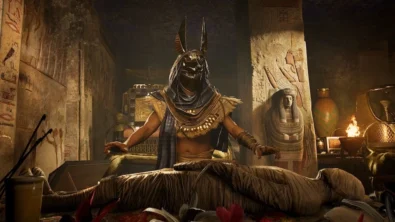
Ancient embalming, step by step – a new museum installation built on Assassin’s Creed Origins’ Discovery Tour lets visitors explore mummification interactively at Musée de l’Homme, open November 2025-May 2026.
February 13, 2026
71
Read also
Solid Snake joins Rainbow Six Siege on March 3 with intel‑driven tools and scavenging gameplay. A few weeks later, a limited‑time 4v4 infiltration mode arrives alongside map and balance updates.
February 15, 2026
79
Kratos’ Spartan youth becomes playable in God of War Sons of Sparta – a canon, pixel‑art 2D prequel on PS5 with customizable spear‑and‑shield combat, Gifts of Olympus, and returning voice talent.
February 13, 2026
72
Ancient embalming, step by step – a new museum installation built on Assassin’s Creed Origins’ Discovery Tour lets visitors explore mummification interactively at Musée de l’Homme, open November 2025-May 2026.
February 13, 2026
71
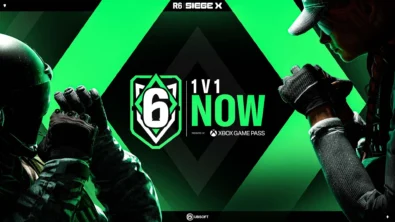
From training mode to centre stage: Rainbow Six Siege’s debut 1v1 circuit lands at the Six Invitational in Paris. Four regions, more than 3,200 entrants, semifinals Feb 14 and final Feb 15 for 5,000 US dollars.
February 13, 2026
70
Blizzard links its 2026 milestones with a cross‑franchise Showcase and confirms BlizzCon’s return later this year – with more announcements and “surprises” still queued, says president Johanna Faries.
February 13, 2026
64

High On Life 2 launches with day-one Game Pass Ultimate support, while Narrative Director Alec Robbins explains how the team crafts jokes with players—shaping character-driven, reactive comedy.
February 13, 2026
66
From a Star Trek survival-strategy take to stealth with Styx, eerie Backrooms horror, and management sims, Xbox’s February 17-20 slate packs 14 launches with Series X|S optimizations and cross-platform perks.
February 13, 2026
57
First full gameplay for CONTROL Resonant runs on PS5 Pro, spotlighting Dylan Faden in a reality-bending Manhattan with vast zones and Gravity Anomalies. Launch set for 2026 across console and PC ecosystems.
February 13, 2026
67
Borderlands 4 sets a co-op goal for this weekend: hit 500,000 successful teammate revives between February 12-15 to unlock a universal cosmetic skin. A minor update adds three Weekly Big Encore boss fights to raise the stakes.
February 13, 2026
74
A milestone collection bundles five classic Rayman versions, a first-ever playable SNES prototype, reimagined music, modern assist options, and over 50 minutes of developer interviews.
February 13, 2026
62

Співпраця
Співпраця - текст
TopGame Newsletter!
Unlock exclusive gaming deals, fresh guides, and insider picks — straight to your inbox. No spam, just real content for real players.
