


Popular articles



Lumines Arise devs explain stage design, music sync, VR shift
Table of Content

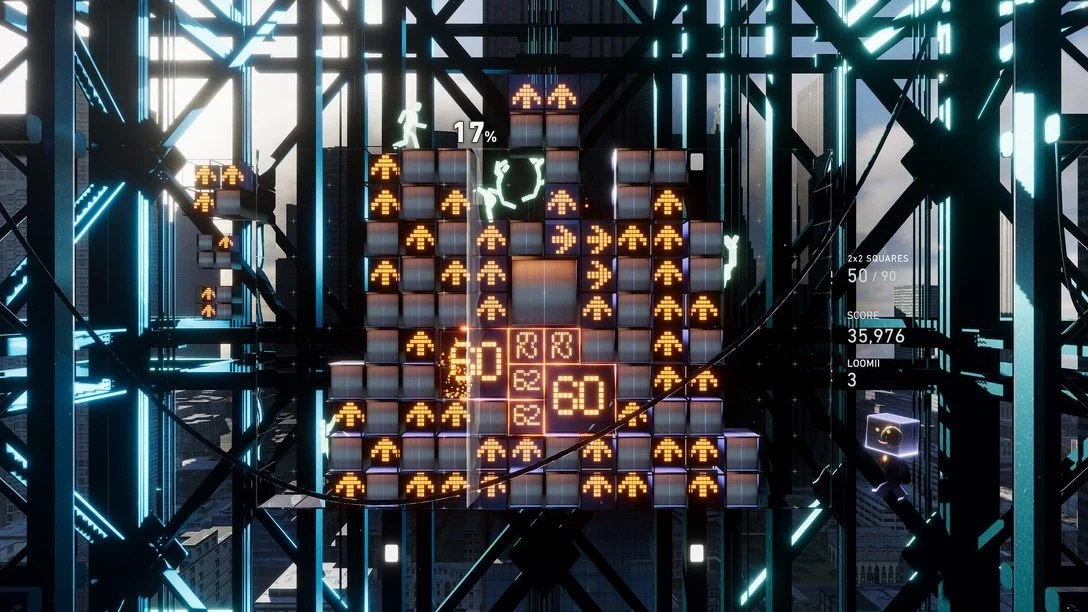
Enhance has outlined how Lumines Arise came together on PlayStation 5 with optional PS VR2 support, describing a project that reimagines the 2004 puzzle series for modern hardware. Game Director and Art Director Takashi Ishihara detailed the creative process behind the new direction. The team emphasized a move to 3D, careful music–visual integration, and an emphasis on mood and coherence across stages. It is also the first Lumines playable in VR, with presentation tuned for PS VR2.
Defining a “next-generation” Lumines
Following Tetris Effect: Connected, the studio revisited Lumines with one guiding question:
“What defines the next Lumines?”
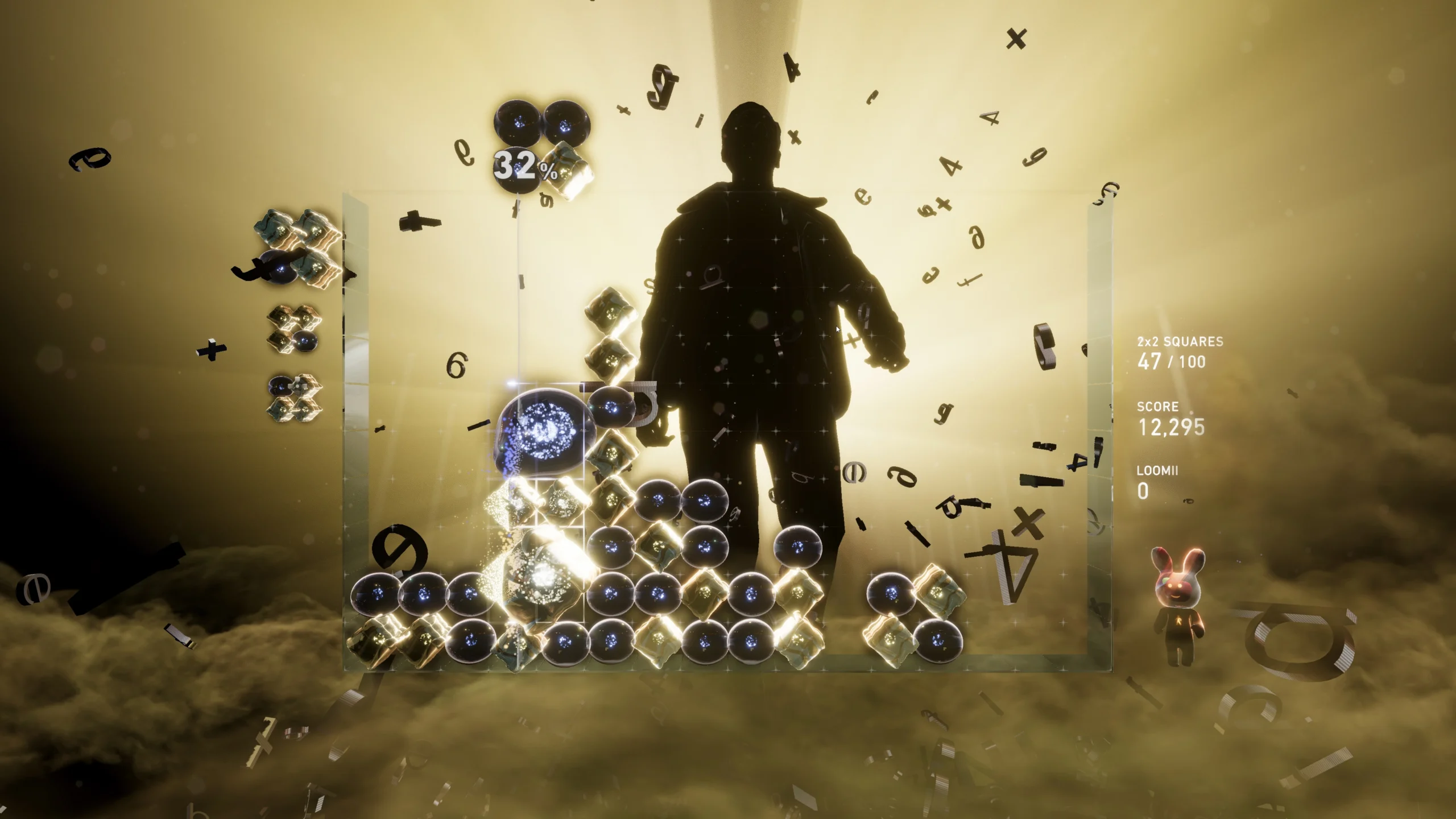
Ishihara began with themes, colors, and emotional beats before aligning the concept with Executive Producer Tetsuya Mizuguchi. The team built a pre-visualization, then expanded it into full stages – from UI/UX to musical styles – refining the concept as production scaled.
Iterative stage building – music and visuals in lockstep
Stage creation was continuous rather than linear. Designers and audio teams iterated in tandem, adjusting visuals, sound effects, and music until each segment felt cohesive. If mapped on a timeline, a single stage could take approximately 3-4 months, with some left to “breathe” before returning for polish.
- Early planning included analysis of sound waves, MIDI, timing, and BPM.
- The process was intentionally flexible – akin to sculpting – adding and removing elements to reach harmony.
- Final sign-off came only when gameplay, sound, and visuals aligned “in harmony.”
What did not make the cut
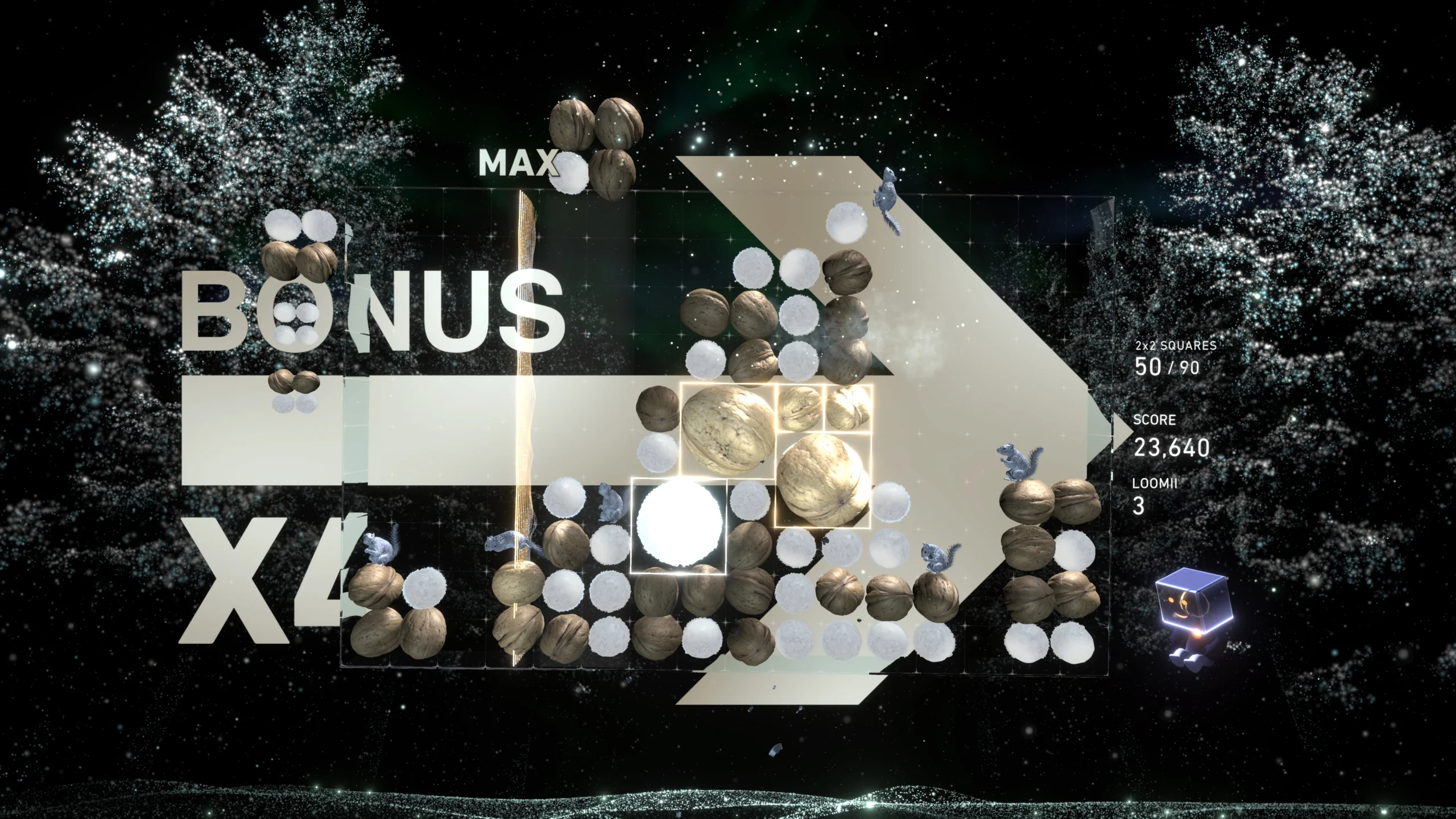
Some early concepts were removed for thematic consistency, including ocean and forest-themed stages. The team ultimately favored darker, cooler tones over brighter, large-scale moods that the studio associates more with Tetris Effect: Connected.
VR priorities: front-row energy
Lumines Arise marks the series’ VR debut on PS VR2. The goal was to capture the sensation of a live show:
Read also our article: Players decide PlayStation Blog Game of the Year 2025 – full list
“Like being in the front row at a concert.”
Camera placement underwent extensive tuning, while PS VR2 adds extra lights, particles, and headset vibration that are not present on a TV, aiming to deepen immersion without altering core gameplay.
Scope and production scale
The series’ shift from 2D to full 3D demanded more assets and systems. Each of the game’s 36 stages features distinct visuals, music, and sound effects. Production was extended by six months to meet the scope, culminating in a development cycle of three and a half years.
Key production facts for Lumines Arise
Modes and features at launch
- Journey – a curated progression of synesthetic stages.
- Mission – includes Training missions and Challenges for targeted play.
- Burst Battle – competitive play against other players online.
- Weekend Loomii Live – recurring in-game events.
Final Takeaway – Why this iteration matters
Lumines Arise represents a structural leap for the series – first VR support, a move to 3D, and a production philosophy that fuses design and sound through constant iteration. For players, that means a puzzle experience built around mood, rhythm, and flow, with modes that support both solo mastery and competitive play.
Category

Share the news


Meet the Author


Article:
Read all


Solid Snake joins Rainbow Six Siege on March 3 with intel‑driven tools and scavenging gameplay. A few weeks later, a limited‑time 4v4 infiltration mode arrives alongside map and balance updates.
 February 15, 2026
 3
3

Season 1 opens the first chapter with Domina, Emre, Mizuki, Anran, and Jetpack Cat, plus the Conquest meta race between Overwatch and Talon. The world will update in real time as the story unfolds.
February 14, 2026
3
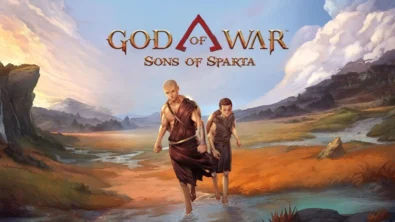
Kratos’ Spartan youth becomes playable in God of War Sons of Sparta – a canon, pixel‑art 2D prequel on PS5 with customizable spear‑and‑shield combat, Gifts of Olympus, and returning voice talent.
February 13, 2026
5
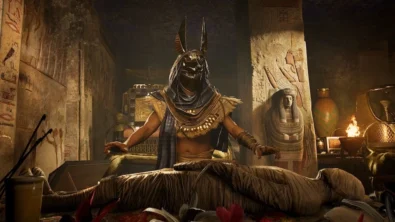
Ancient embalming, step by step – a new museum installation built on Assassin’s Creed Origins’ Discovery Tour lets visitors explore mummification interactively at Musée de l’Homme, open November 2025-May 2026.
February 13, 2026
6
Read also
Solid Snake joins Rainbow Six Siege on March 3 with intel‑driven tools and scavenging gameplay. A few weeks later, a limited‑time 4v4 infiltration mode arrives alongside map and balance updates.
February 15, 2026
3
Kratos’ Spartan youth becomes playable in God of War Sons of Sparta – a canon, pixel‑art 2D prequel on PS5 with customizable spear‑and‑shield combat, Gifts of Olympus, and returning voice talent.
February 13, 2026
5
Ancient embalming, step by step – a new museum installation built on Assassin’s Creed Origins’ Discovery Tour lets visitors explore mummification interactively at Musée de l’Homme, open November 2025-May 2026.
February 13, 2026
6
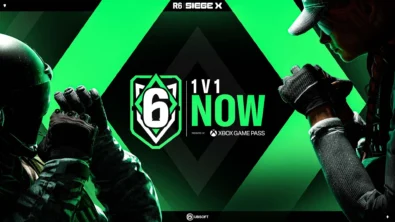
From training mode to centre stage: Rainbow Six Siege’s debut 1v1 circuit lands at the Six Invitational in Paris. Four regions, more than 3,200 entrants, semifinals Feb 14 and final Feb 15 for 5,000 US dollars.
February 13, 2026
5
Blizzard links its 2026 milestones with a cross‑franchise Showcase and confirms BlizzCon’s return later this year – with more announcements and “surprises” still queued, says president Johanna Faries.
February 13, 2026
5

High On Life 2 launches with day-one Game Pass Ultimate support, while Narrative Director Alec Robbins explains how the team crafts jokes with players—shaping character-driven, reactive comedy.
February 13, 2026
6
From a Star Trek survival-strategy take to stealth with Styx, eerie Backrooms horror, and management sims, Xbox’s February 17-20 slate packs 14 launches with Series X|S optimizations and cross-platform perks.
February 13, 2026
7
First full gameplay for CONTROL Resonant runs on PS5 Pro, spotlighting Dylan Faden in a reality-bending Manhattan with vast zones and Gravity Anomalies. Launch set for 2026 across console and PC ecosystems.
February 13, 2026
4

Borderlands 4 sets a co-op goal for this weekend: hit 500,000 successful teammate revives between February 12-15 to unlock a universal cosmetic skin. A minor update adds three Weekly Big Encore boss fights to raise the stakes.
February 13, 2026
6
A milestone collection bundles five classic Rayman versions, a first-ever playable SNES prototype, reimagined music, modern assist options, and over 50 minutes of developer interviews.
February 13, 2026
6

Співпраця
Співпраця - текст
TopGame Newsletter!
Unlock exclusive gaming deals, fresh guides, and insider picks — straight to your inbox. No spam, just real content for real players.
