


Popular articles



How Judas turns systemic storytelling into a ‘Judas Simulator’
Table of Content

Ghost Story Games has shared a new developer update on Judas, focusing on how its story and world are being built to react in real time to player decisions. The studio says the project began not with plot beats but with a core design idea: dynamic narrative. That concept crystallized around the protagonist, Judas – a character who grasps machines more easily than people, set against a society where conformity defines survival. The team eventually started referring to the project as a “Judas Simulator”, emphasizing role-first play over traditional genre labels. Key leads also detailed the Mayflower, a generational starship whose spaces change with history and systems.
From core design to a player-reactive narrative
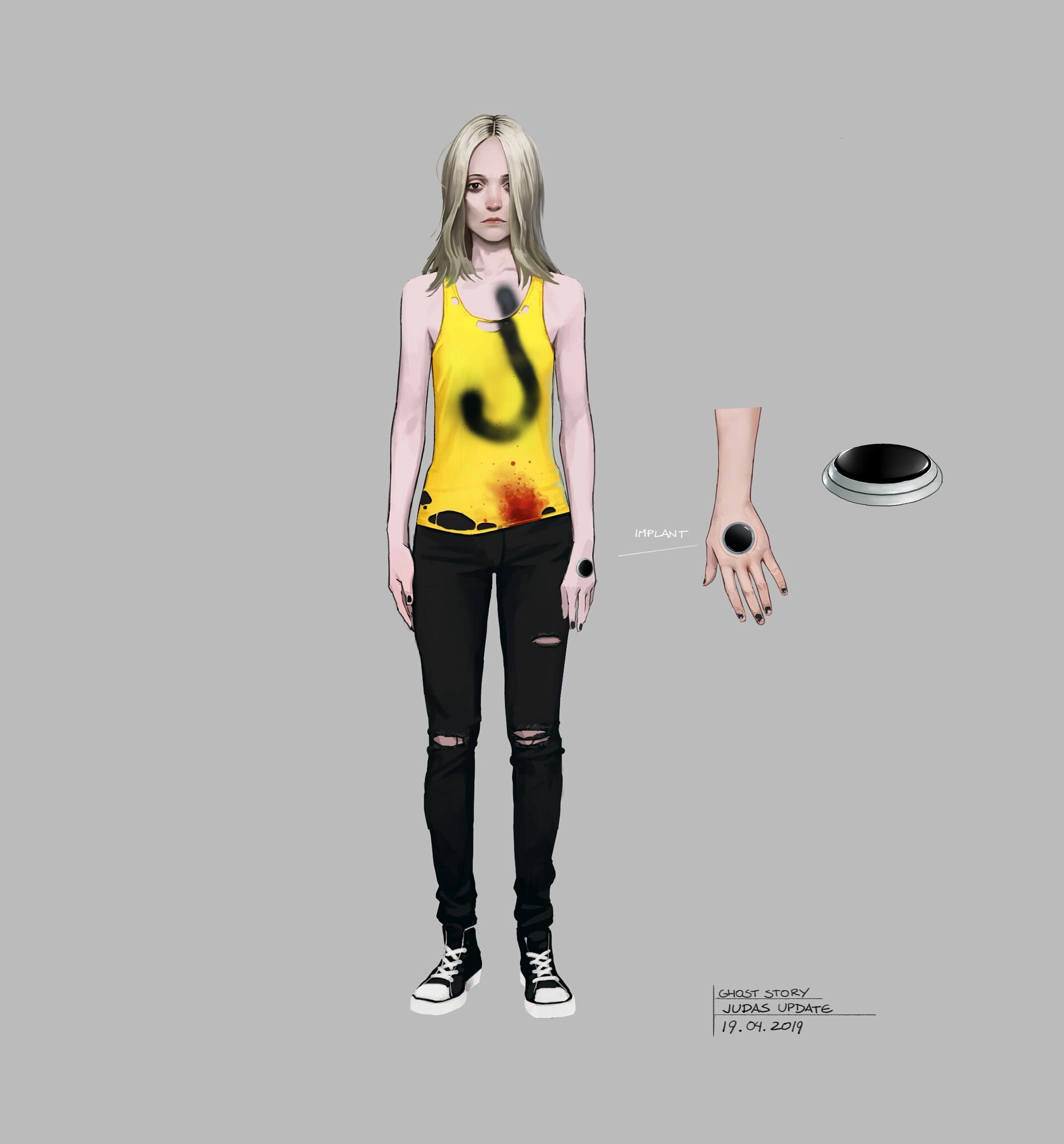
The developers set out to build a story that responds in the moment to even small player choices. Rather than a blank-slate avatar, Judas is a specific, voiced character whose strengths – and flaws – are central to how encounters unfold. Her comfort with machines contrasts with fraught human relationships, making her both powerful in a robotic society and an outcast within its strict rules.
“We wanted to tell stories that are less linear and that react to the player,” said Drew Mitchell, Lead Narrative Designer.
That tension shapes every system, shifting the team’s mindset from a scripted FPS toward a role-driven simulation of being Judas – how she navigates conflicting agendas aboard a ship where dissent threatens the mission.
Design pillars at a glance
- Dynamic narrative – characters and events adjust to granular player actions.
- Defined, vocal protagonist – Judas is not a cipher; her perspective guides interactions.
- Native to the Mayflower – she has history with the world and its factions.
- Systemic storytelling – choices ripple through relationships and space layout.
- “Judas Simulator” ethos – gameplay framed around acting as Judas in every situation.
The Mayflower – a living, layered starship
Unlike prior worlds that felt frozen in time, the Mayflower has decades of change layered into its decks. The art team treats it like a city built over itself – older eras buried and built upon – so exploration doubles as a history lesson. As you uncover those layers, you become a kind of historian and architect, making informed narrative decisions based on what you learn about its past conflicts and rebirths.
“With the Mayflower as a generational starship, we want to imbue this world with the same sense of time, history, and credibility,” said Nathan Phail-Liff, Studio Art Director.
System-driven spaces and storytelling
To support reactivity at scale, Ghost Story moved from hand-authored layouts to system-driven environments. Content is tagged and organized into rules so the game can assemble believable spaces that also carry narrative meaning. This approach aims to let the world itself respond – not just the characters.
“We basically identify the puzzle pieces and buckets of content that make up the setting of the Mayflower,” said Karen Segars, Lead Artist.
Read also our article: PS5 prepares Genshin Impact Version Luna III with Durin in tow
Living areas are divided into distinct categories that the system stitches together with a sense of hierarchy and place:
- VIP Pilgrim Quarters – expansive, high ceilings, large windows, grand lobbies.
- Regular Pilgrim Dorms – practical, modular layouts for everyday life.
- Violator Quarters – the ship’s grungy underbelly, reached via the “Stairway to Hell.”
The goal is a ruleset the team can trust – one that acts like both storyteller and interior designer – enabling layouts to shift in ways that reinforce themes and support gameplay while remaining credible.
Where it diverges from BioShock
Judas departs from the studio’s earlier heroes who arrived as outsiders. Here, the title names the protagonist, and she is entangled in the ship’s origins and politics from the start. That stronger definition risks player–character dissonance, but early testing suggests players are embracing the framing.
“The game is named after her. Judas is a native of the Mayflower,” said Drew Mitchell.
That native status adds weight to choices, as relationships and history are not discovered from scratch – they are confronted.
What the team wants to hear next
The studio indicates it will keep sharing development progress and invites the community to suggest topics for future dev logs – from narrative systems to worldbuilding details. No release timing or platform news was provided in this update.
Bottom line – why it matters
Systemic narrative plus systemic spaces suggests Judas aims to make every choice reverberate across both characters and environment. For players, that means thinking less about builds or routes and more about a single question: What would Judas do?
Category

Share the news


Meet the Author


Article:
Read all

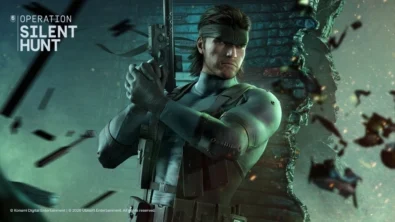
Solid Snake joins Rainbow Six Siege on March 3 with intel‑driven tools and scavenging gameplay. A few weeks later, a limited‑time 4v4 infiltration mode arrives alongside map and balance updates.
 February 15, 2026
 3
3
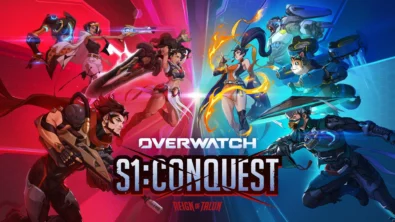
Season 1 opens the first chapter with Domina, Emre, Mizuki, Anran, and Jetpack Cat, plus the Conquest meta race between Overwatch and Talon. The world will update in real time as the story unfolds.
February 14, 2026
3
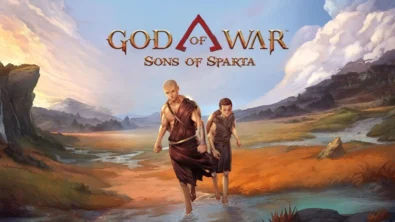
Kratos’ Spartan youth becomes playable in God of War Sons of Sparta – a canon, pixel‑art 2D prequel on PS5 with customizable spear‑and‑shield combat, Gifts of Olympus, and returning voice talent.
February 13, 2026
5
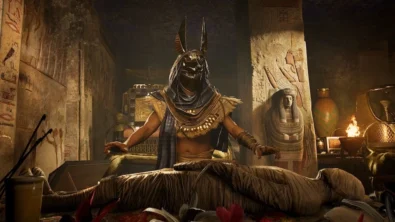
Ancient embalming, step by step – a new museum installation built on Assassin’s Creed Origins’ Discovery Tour lets visitors explore mummification interactively at Musée de l’Homme, open November 2025-May 2026.
February 13, 2026
6
Read also
Solid Snake joins Rainbow Six Siege on March 3 with intel‑driven tools and scavenging gameplay. A few weeks later, a limited‑time 4v4 infiltration mode arrives alongside map and balance updates.
February 15, 2026
3
Kratos’ Spartan youth becomes playable in God of War Sons of Sparta – a canon, pixel‑art 2D prequel on PS5 with customizable spear‑and‑shield combat, Gifts of Olympus, and returning voice talent.
February 13, 2026
5
Ancient embalming, step by step – a new museum installation built on Assassin’s Creed Origins’ Discovery Tour lets visitors explore mummification interactively at Musée de l’Homme, open November 2025-May 2026.
February 13, 2026
6
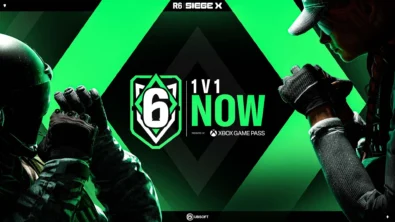
From training mode to centre stage: Rainbow Six Siege’s debut 1v1 circuit lands at the Six Invitational in Paris. Four regions, more than 3,200 entrants, semifinals Feb 14 and final Feb 15 for 5,000 US dollars.
February 13, 2026
5
Blizzard links its 2026 milestones with a cross‑franchise Showcase and confirms BlizzCon’s return later this year – with more announcements and “surprises” still queued, says president Johanna Faries.
February 13, 2026
5

High On Life 2 launches with day-one Game Pass Ultimate support, while Narrative Director Alec Robbins explains how the team crafts jokes with players—shaping character-driven, reactive comedy.
February 13, 2026
6
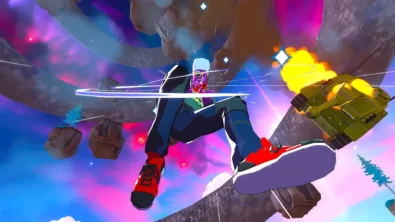
From a Star Trek survival-strategy take to stealth with Styx, eerie Backrooms horror, and management sims, Xbox’s February 17-20 slate packs 14 launches with Series X|S optimizations and cross-platform perks.
February 13, 2026
7
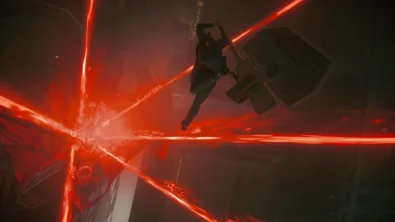
First full gameplay for CONTROL Resonant runs on PS5 Pro, spotlighting Dylan Faden in a reality-bending Manhattan with vast zones and Gravity Anomalies. Launch set for 2026 across console and PC ecosystems.
February 13, 2026
4

Borderlands 4 sets a co-op goal for this weekend: hit 500,000 successful teammate revives between February 12-15 to unlock a universal cosmetic skin. A minor update adds three Weekly Big Encore boss fights to raise the stakes.
February 13, 2026
6
A milestone collection bundles five classic Rayman versions, a first-ever playable SNES prototype, reimagined music, modern assist options, and over 50 minutes of developer interviews.
February 13, 2026
6

Співпраця
Співпраця - текст
TopGame Newsletter!
Unlock exclusive gaming deals, fresh guides, and insider picks — straight to your inbox. No spam, just real content for real players.
