



Popular articles



Tencent Says Ai Value Lies in Choice – Not Ever-Bigger Models
Table of Content

AI’s value in 2026 is less about chasing a single “super system” and more about choosing the right model for each job. That was the core message from Dowson Tong, Senior Executive Vice President of Tencent and CEO of its Cloud and Smart Industries Group, speaking at the World Economic Forum 2026. He outlined how flexibility, lower costs, and human‑centred design are shaping real‑world impact. The emphasis is on practical deployments that scale, rather than lab demos or benchmarks. A full replay of the panel “China’s AI+ Economy” is available via the official WEF session link.
Many Models, Many Needs – Not One Monolith
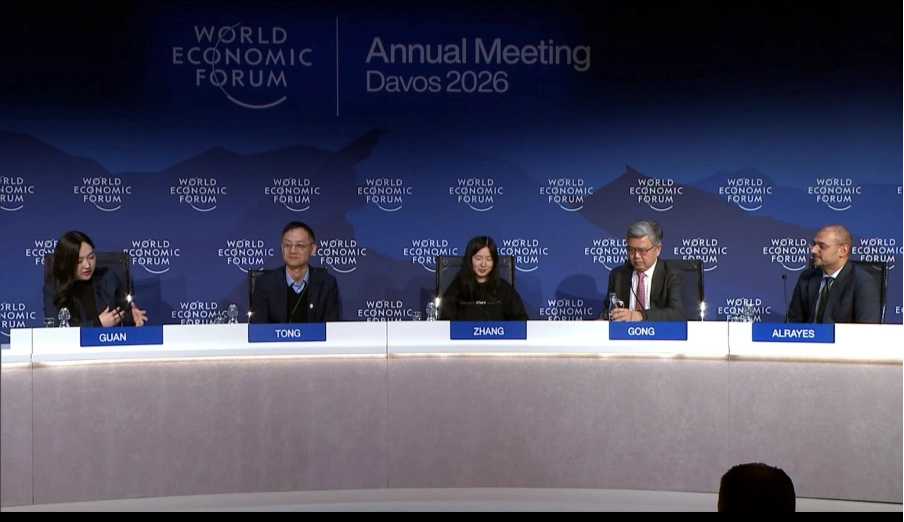
Tong contrasted the popular vision of a single AGI‑like system with the reality inside organizations: different teams need different models. Engineers lean on AI coding assistants to ship features faster, while non‑technical roles increasingly automate routine work to boost individual productivity. This is already changing day‑to‑day workflows across industries.
- Retail – generative image and 3D tools shorten product design cycles.
- Marketing – better targeting and personalization improve return on investment.
- Healthcare – AI supports drug discovery, helping researchers handle complexity at speed.
The pattern is consistent across sectors: AI delivers when applied with intention. These are not pilots for show – they are measurable improvements in production environments today.
Costs and Choice Will Decide Whether Ai Truly Scales
Enterprise adoption hinges on efficiency and ROI. If deployment is too costly or complex, AI will stall at the proof‑of‑concept stage. Tong pointed to the last 18 months of strong open‑source participation, which has driven down inference costs and increased accessibility for both large organizations and smaller teams.
“If the cost of using AI is too high, it simply won’t scale.” — Dowson Tong
Tencent’s stated strategy reflects that reality: rather than tie customers to a single model, the company is building open platforms that host a range of AI models. The goal is to put model selection back in users’ hands, aligning the tool with the task instead of forcing workflows to bend to one system.
Read also our article: I Hate This Place Launches on Xbox with 80S Comic Flair
“Customers want choices… Our role is to give the power of choosing the right model back to the hands of the customer.” — Dowson Tong
Learning to Work with Ai, Not Around It
Long‑term impact depends on people as much as technology. Younger generations are building AI literacy outside classrooms, using freely accessible tools to explore, ask questions, and iterate. That familiarity grows confidence in the process of collaborating with intelligent systems, not just consuming outputs.
Core skills now include framing better questions, testing assumptions, and evaluating results. Encouraging curiosity and responsible experimentation makes AI a practical learning companion rather than a black box.
Session Replay – China’s Ai+ Economy at Wef 2026
The full panel discussion featuring Dowson Tong is available here:
.
Final Takeaway – Practical Choice Beats Headline Scale
Leadership in AI will favour teams that prioritise integration, efficiency, and outcomes over raw model size or benchmark chasing. For developers, creators, and enterprises, the path forward is clear: pick the model that fits, keep costs in check, and build skills to extract value responsibly. The payoff comes as thousands of small, everyday gains that add up to meaningful change.
Category
Share the news


Meet the Author

Article:
Read all


Solid Snake joins Rainbow Six Siege on March 3 with intel‑driven tools and scavenging gameplay. A few weeks later, a limited‑time 4v4 infiltration mode arrives alongside map and balance updates.
 February 15, 2026
 3
3
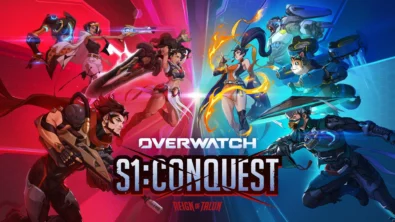
Season 1 opens the first chapter with Domina, Emre, Mizuki, Anran, and Jetpack Cat, plus the Conquest meta race between Overwatch and Talon. The world will update in real time as the story unfolds.
February 14, 2026
3
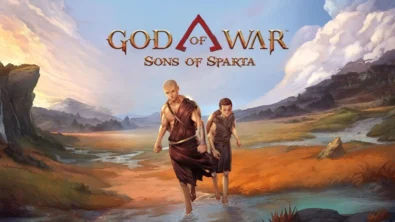
Kratos’ Spartan youth becomes playable in God of War Sons of Sparta – a canon, pixel‑art 2D prequel on PS5 with customizable spear‑and‑shield combat, Gifts of Olympus, and returning voice talent.
February 13, 2026
5

Ancient embalming, step by step – a new museum installation built on Assassin’s Creed Origins’ Discovery Tour lets visitors explore mummification interactively at Musée de l’Homme, open November 2025-May 2026.
February 13, 2026
6
Read also
Solid Snake joins Rainbow Six Siege on March 3 with intel‑driven tools and scavenging gameplay. A few weeks later, a limited‑time 4v4 infiltration mode arrives alongside map and balance updates.
February 15, 2026
3
Kratos’ Spartan youth becomes playable in God of War Sons of Sparta – a canon, pixel‑art 2D prequel on PS5 with customizable spear‑and‑shield combat, Gifts of Olympus, and returning voice talent.
February 13, 2026
5
Ancient embalming, step by step – a new museum installation built on Assassin’s Creed Origins’ Discovery Tour lets visitors explore mummification interactively at Musée de l’Homme, open November 2025-May 2026.
February 13, 2026
6
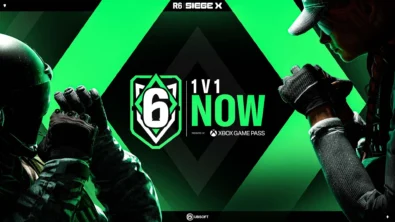
From training mode to centre stage: Rainbow Six Siege’s debut 1v1 circuit lands at the Six Invitational in Paris. Four regions, more than 3,200 entrants, semifinals Feb 14 and final Feb 15 for 5,000 US dollars.
February 13, 2026
5
Blizzard links its 2026 milestones with a cross‑franchise Showcase and confirms BlizzCon’s return later this year – with more announcements and “surprises” still queued, says president Johanna Faries.
February 13, 2026
5

High On Life 2 launches with day-one Game Pass Ultimate support, while Narrative Director Alec Robbins explains how the team crafts jokes with players—shaping character-driven, reactive comedy.
February 13, 2026
6
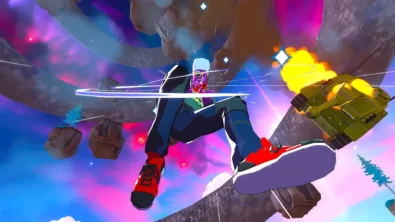
From a Star Trek survival-strategy take to stealth with Styx, eerie Backrooms horror, and management sims, Xbox’s February 17-20 slate packs 14 launches with Series X|S optimizations and cross-platform perks.
February 13, 2026
7
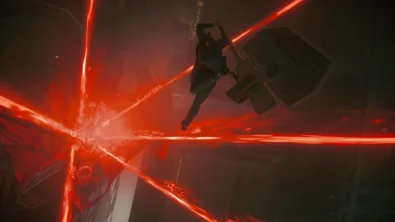
First full gameplay for CONTROL Resonant runs on PS5 Pro, spotlighting Dylan Faden in a reality-bending Manhattan with vast zones and Gravity Anomalies. Launch set for 2026 across console and PC ecosystems.
February 13, 2026
4
Borderlands 4 sets a co-op goal for this weekend: hit 500,000 successful teammate revives between February 12-15 to unlock a universal cosmetic skin. A minor update adds three Weekly Big Encore boss fights to raise the stakes.
February 13, 2026
6
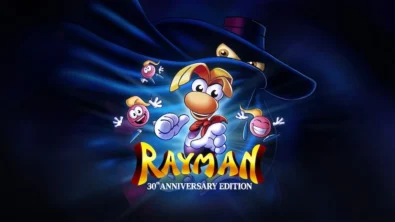
A milestone collection bundles five classic Rayman versions, a first-ever playable SNES prototype, reimagined music, modern assist options, and over 50 minutes of developer interviews.
February 13, 2026
6

Співпраця
Співпраця - текст
TopGame Newsletter!
Unlock exclusive gaming deals, fresh guides, and insider picks — straight to your inbox. No spam, just real content for real players.
