


Popular articles



Teammates puts voice-driven AI squadmates into a playable test
Table of Content

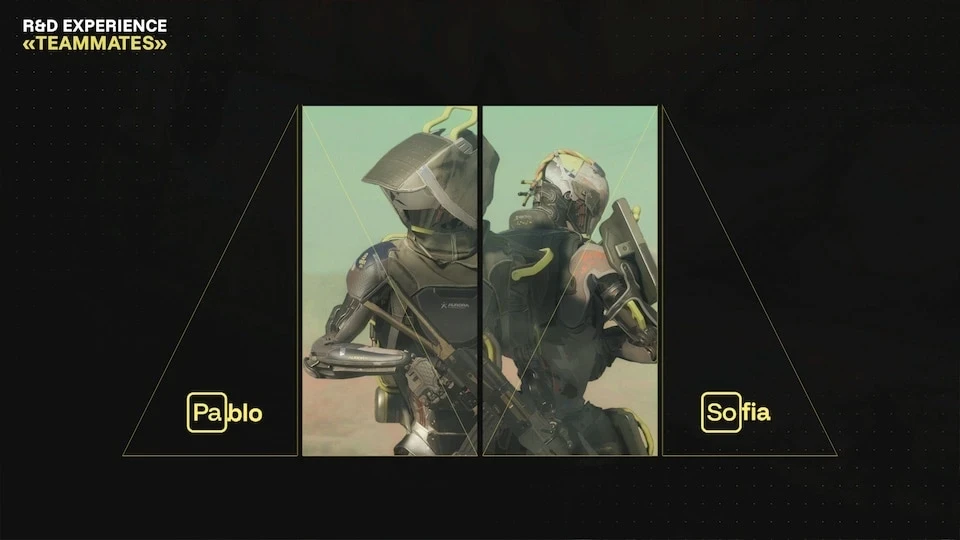
Ubisoft has revealed Teammates – its first playable generative AI research project designed to probe how real-time voice can shape gameplay and narrative. Built as a short first-person shooter experience, it places players in a dystopian setting with an AI voice assistant named Jaspar and two AI-enhanced NPC squadmates, Sofia and Pablo. The system interprets natural speech to trigger in-game actions, surface story context, and adapt encounters on the fly. Ubisoft positions Teammates as an experiment to assess possibilities and limits of voice-led interactions rather than a commercial product.
What Teammates is testing
The playable slice focuses on squad coordination and adaptive storytelling. Players act as resistance operatives infiltrating an enemy base to locate five missing teammates by recovering their last memories, while engaging hostile patrols along the route. The core question is straightforward: how far can natural speech drive meaningful gameplay and immersion without pre-scripted command wheels?
Jaspar, the in-game voice assistant
Jaspar is designed to behave as a character and a tool, reacting to world state and player intent. According to Ubisoft, he can:
- Highlight enemies or objects based on context
- Surface lore and story details tied to the current location
- Adjust settings instantly – including pausing the game – via natural speech
- Interpret situational cues and respond dynamically to player actions
These capabilities run on systems that parse the playable environment and contextual data, aiming to keep responses relevant to what is happening on screen.
Voice commands that shape encounters
The same tech underpins Sofia and Pablo, who can be addressed directly. Early in the scenario, players meet two patrolling enemies before receiving a weapon. Success relies on directing squadmates to use cover and issuing precise, time-sensitive orders – who to engage, how to approach, and when to strike. Ubisoft’s researchers stress that the player’s voice materially influences combat flow and outcomes, turning vocal direction into a tactical axis rather than a novelty.
Design intent: AI as a collaborator, not a replacement
Ubisoft frames the project as a collaboration between tools and authorship, with the narrative team defining boundaries while allowing improvisation inside them.
“We hope players will feel like they’re shaping the story themselves, not just following it,” said Narrative Director Virginie Mosser.
“Player input shapes character reactions in real time, something traditional development can’t achieve,” added Data & AI Director Rémi Labory, noting the experiment delivers a pipeline from onboarding to debrief.
Read also our article: FX greenlights Far Cry TV anthology – new setting every season
“I still write the story and character personalities,” Mosser explained, “but instead of fixed lines, we create fences that let NPCs improvise within the world while staying within the lore and motivations.”
The team acknowledges concerns around AI in games, stating the aim is to augment human creativity with responsive systems rather than automate creative roles.
From Neo NPC to Teammates
Teammates follows Ubisoft’s earlier GDC 2024 reveal of Neo NPC, an advanced NPC experiment. Where Neo NPC explored conversational depth, Teammates shifts focus to playable, voice-driven coordination with a squad in a high-pressure FPS context.
What’s next for the experiment
- Closed playtests: The build has been shown to a few hundred players, whose feedback is informing iteration.
- Ongoing development: The team plans to keep testing and refining the tools with internal creative groups and players.
- More materials: Ubisoft intends to share an explainer video detailing the experience.
There are no release platforms or launch dates – Teammates is positioned as research. The focus remains on collecting reactions, improving systems, and studying how voice input can add depth to moment-to-moment play and narrative delivery.
Key features at a glance
- Playable research FPS set in a dystopian base infiltration
- Real-time voice control of an AI assistant and two NPC squadmates
- Context-aware responses for tactics, UI control, and lore delivery
- Story framing: recover the final memories of 5 missing operatives
- Research-first approach with closed playtest participation in the hundreds
Final takeaway – why it matters for players
Teammates signals Ubisoft’s push toward voice as an input that carries real tactical and narrative weight. If the research holds, players could see future games where squad control, world knowledge, and story beats respond naturally to how they speak – not just what buttons they press.
Category

Share the news


Meet the Author


Article:
Read all

Solid Snake joins Rainbow Six Siege on March 3 with intel‑driven tools and scavenging gameplay. A few weeks later, a limited‑time 4v4 infiltration mode arrives alongside map and balance updates.
 February 15, 2026
 3
3
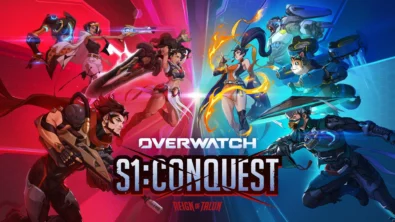
Season 1 opens the first chapter with Domina, Emre, Mizuki, Anran, and Jetpack Cat, plus the Conquest meta race between Overwatch and Talon. The world will update in real time as the story unfolds.
February 14, 2026
3
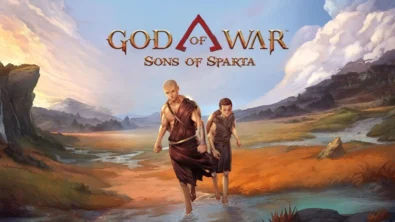
Kratos’ Spartan youth becomes playable in God of War Sons of Sparta – a canon, pixel‑art 2D prequel on PS5 with customizable spear‑and‑shield combat, Gifts of Olympus, and returning voice talent.
February 13, 2026
5

Ancient embalming, step by step – a new museum installation built on Assassin’s Creed Origins’ Discovery Tour lets visitors explore mummification interactively at Musée de l’Homme, open November 2025-May 2026.
February 13, 2026
6
Read also
Solid Snake joins Rainbow Six Siege on March 3 with intel‑driven tools and scavenging gameplay. A few weeks later, a limited‑time 4v4 infiltration mode arrives alongside map and balance updates.
February 15, 2026
3
Kratos’ Spartan youth becomes playable in God of War Sons of Sparta – a canon, pixel‑art 2D prequel on PS5 with customizable spear‑and‑shield combat, Gifts of Olympus, and returning voice talent.
February 13, 2026
5
Ancient embalming, step by step – a new museum installation built on Assassin’s Creed Origins’ Discovery Tour lets visitors explore mummification interactively at Musée de l’Homme, open November 2025-May 2026.
February 13, 2026
6
From training mode to centre stage: Rainbow Six Siege’s debut 1v1 circuit lands at the Six Invitational in Paris. Four regions, more than 3,200 entrants, semifinals Feb 14 and final Feb 15 for 5,000 US dollars.
February 13, 2026
5
Blizzard links its 2026 milestones with a cross‑franchise Showcase and confirms BlizzCon’s return later this year – with more announcements and “surprises” still queued, says president Johanna Faries.
February 13, 2026
5

High On Life 2 launches with day-one Game Pass Ultimate support, while Narrative Director Alec Robbins explains how the team crafts jokes with players—shaping character-driven, reactive comedy.
February 13, 2026
6
From a Star Trek survival-strategy take to stealth with Styx, eerie Backrooms horror, and management sims, Xbox’s February 17-20 slate packs 14 launches with Series X|S optimizations and cross-platform perks.
February 13, 2026
7
First full gameplay for CONTROL Resonant runs on PS5 Pro, spotlighting Dylan Faden in a reality-bending Manhattan with vast zones and Gravity Anomalies. Launch set for 2026 across console and PC ecosystems.
February 13, 2026
4
Borderlands 4 sets a co-op goal for this weekend: hit 500,000 successful teammate revives between February 12-15 to unlock a universal cosmetic skin. A minor update adds three Weekly Big Encore boss fights to raise the stakes.
February 13, 2026
6
A milestone collection bundles five classic Rayman versions, a first-ever playable SNES prototype, reimagined music, modern assist options, and over 50 minutes of developer interviews.
February 13, 2026
6

Співпраця
Співпраця - текст
TopGame Newsletter!
Unlock exclusive gaming deals, fresh guides, and insider picks — straight to your inbox. No spam, just real content for real players.
