


Popular articles



Season 01 targets cheaters: Warzone now needs TPM and Secure Boot
Table of Content

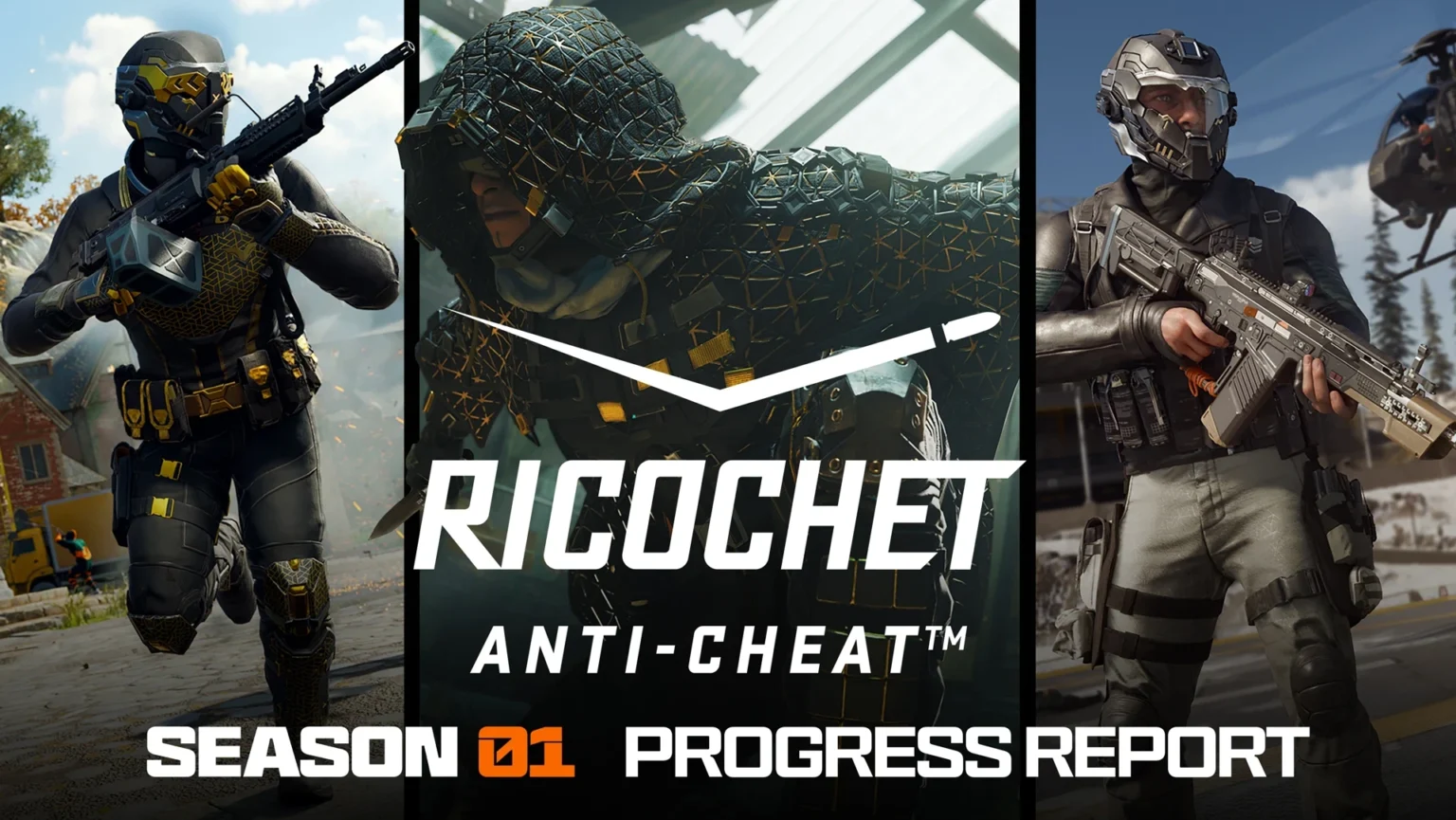
Season 01 rolls out today with Call of Duty: Warzone integration and a substantial anti‑cheat push from Team RICOCHET across both Black Ops 7 and Warzone. The headline change on PC is clear: TPM 2.0 and Secure Boot are now required to play Warzone, mirroring Black Ops 7’s launch requirements. Activision is also preparing a Secure Attestation Wizard later in the season to help players verify their systems meet security standards. Alongside platform hardening, the team is deploying upgraded detections against boosting and continuing to pressure cheat vendors and reseller networks.
The stated goal is straightforward – cleaner matches, faster detections, and a sturdier security baseline for every player.
Warzone PC now requires TPM 2.0 and Secure Boot
TPM 2.0 and Secure Boot move from recommendation to mandatory for Warzone, extending the same standard set at the Black Ops 7 launch. These settings are designed to ensure the game runs on a trusted system and that anti‑cheat verifications cannot be easily spoofed.
Here’s how the components fit together and why they matter for match integrity:
Security layers in Warzone Season 01
These are the core elements Team RICOCHET references as the technical foundation of its protections. The table summarizes their roles and how they interact.
| Feature | Role in protection |
| Secure Boot | Ensures the system starts in a trusted state, blocking unauthorized boot‑level modifications. |
| TPM 2.0 | Provides hardware‑backed checks that validate key components used to protect matches. |
| Remote Attestation | Verifies security settings via trusted external servers, making it significantly harder to submit false system data. |
Secure Attestation Wizard coming later in the season
To reduce configuration friction, Activision will release the Secure Attestation Wizard during Season 01. The tool offers a quick way to confirm whether a PC meets the security requirements and provides guidance if settings need adjustment. It’s positioned as a faster path to ensure systems are set up correctly without guesswork.
Stronger detections against boosting and botting
Boosting has shifted into a major vector for unfair play – and Activision explicitly classifies it as cheating and a violation of its policies. With traditional “unlock‑all” exploits curtailed, bad actors pivoted to paid boosting and botting services to artificially level accounts and resell them.
Read also our article: Black Ops 7 is live worldwide – what’s in the launch build
Season 01 deploys improved detection systems aimed at both sides of the pipeline: the boosted accounts and the accounts powering the service. The objective is to disrupt the wider ecosystem around artificial progression so that earned progression remains fair and meaningful.
Pressure on cheat vendors and reseller networks
Team RICOCHET reports a year of action targeting the supply side of cheating. Over the past 12 months, the team has:
- Shut down over 50 cheat providers, including major vendors
- Shut down nearly 40 reseller groups
- Disrupted nearly 300 reseller operations through ban waves and legal action
According to Activision, removing these distribution channels makes it harder for cheat developers and resellers to operate – an effort that continues across Black Ops 7 and Warzone.
Final takeaway – what it means for players
Season 01 tightens the screws on cheating from PC boot‑level checks to in‑match detections and vendor takedowns. For players, the message is practical: expect stricter baseline security, faster enforcement on boosting, and continued pressure on the cheat market – all aimed at keeping matches cleaner and progression meaningful.
Category
Share the news


Meet the Author


Article:
Read all

Solid Snake joins Rainbow Six Siege on March 3 with intel‑driven tools and scavenging gameplay. A few weeks later, a limited‑time 4v4 infiltration mode arrives alongside map and balance updates.
 February 15, 2026
 3
3
Season 1 opens the first chapter with Domina, Emre, Mizuki, Anran, and Jetpack Cat, plus the Conquest meta race between Overwatch and Talon. The world will update in real time as the story unfolds.
February 14, 2026
3
Kratos’ Spartan youth becomes playable in God of War Sons of Sparta – a canon, pixel‑art 2D prequel on PS5 with customizable spear‑and‑shield combat, Gifts of Olympus, and returning voice talent.
February 13, 2026
5

Ancient embalming, step by step – a new museum installation built on Assassin’s Creed Origins’ Discovery Tour lets visitors explore mummification interactively at Musée de l’Homme, open November 2025-May 2026.
February 13, 2026
6
Read also
Solid Snake joins Rainbow Six Siege on March 3 with intel‑driven tools and scavenging gameplay. A few weeks later, a limited‑time 4v4 infiltration mode arrives alongside map and balance updates.
February 15, 2026
3
Kratos’ Spartan youth becomes playable in God of War Sons of Sparta – a canon, pixel‑art 2D prequel on PS5 with customizable spear‑and‑shield combat, Gifts of Olympus, and returning voice talent.
February 13, 2026
5
Ancient embalming, step by step – a new museum installation built on Assassin’s Creed Origins’ Discovery Tour lets visitors explore mummification interactively at Musée de l’Homme, open November 2025-May 2026.
February 13, 2026
6
From training mode to centre stage: Rainbow Six Siege’s debut 1v1 circuit lands at the Six Invitational in Paris. Four regions, more than 3,200 entrants, semifinals Feb 14 and final Feb 15 for 5,000 US dollars.
February 13, 2026
5
Blizzard links its 2026 milestones with a cross‑franchise Showcase and confirms BlizzCon’s return later this year – with more announcements and “surprises” still queued, says president Johanna Faries.
February 13, 2026
5

High On Life 2 launches with day-one Game Pass Ultimate support, while Narrative Director Alec Robbins explains how the team crafts jokes with players—shaping character-driven, reactive comedy.
February 13, 2026
6
From a Star Trek survival-strategy take to stealth with Styx, eerie Backrooms horror, and management sims, Xbox’s February 17-20 slate packs 14 launches with Series X|S optimizations and cross-platform perks.
February 13, 2026
7
First full gameplay for CONTROL Resonant runs on PS5 Pro, spotlighting Dylan Faden in a reality-bending Manhattan with vast zones and Gravity Anomalies. Launch set for 2026 across console and PC ecosystems.
February 13, 2026
4
Borderlands 4 sets a co-op goal for this weekend: hit 500,000 successful teammate revives between February 12-15 to unlock a universal cosmetic skin. A minor update adds three Weekly Big Encore boss fights to raise the stakes.
February 13, 2026
6
A milestone collection bundles five classic Rayman versions, a first-ever playable SNES prototype, reimagined music, modern assist options, and over 50 minutes of developer interviews.
February 13, 2026
6

Співпраця
Співпраця - текст
TopGame Newsletter!
Unlock exclusive gaming deals, fresh guides, and insider picks — straight to your inbox. No spam, just real content for real players.
