


Popular articles



How Drag x Drive reinvented motion play on Switch 2
Table of Content

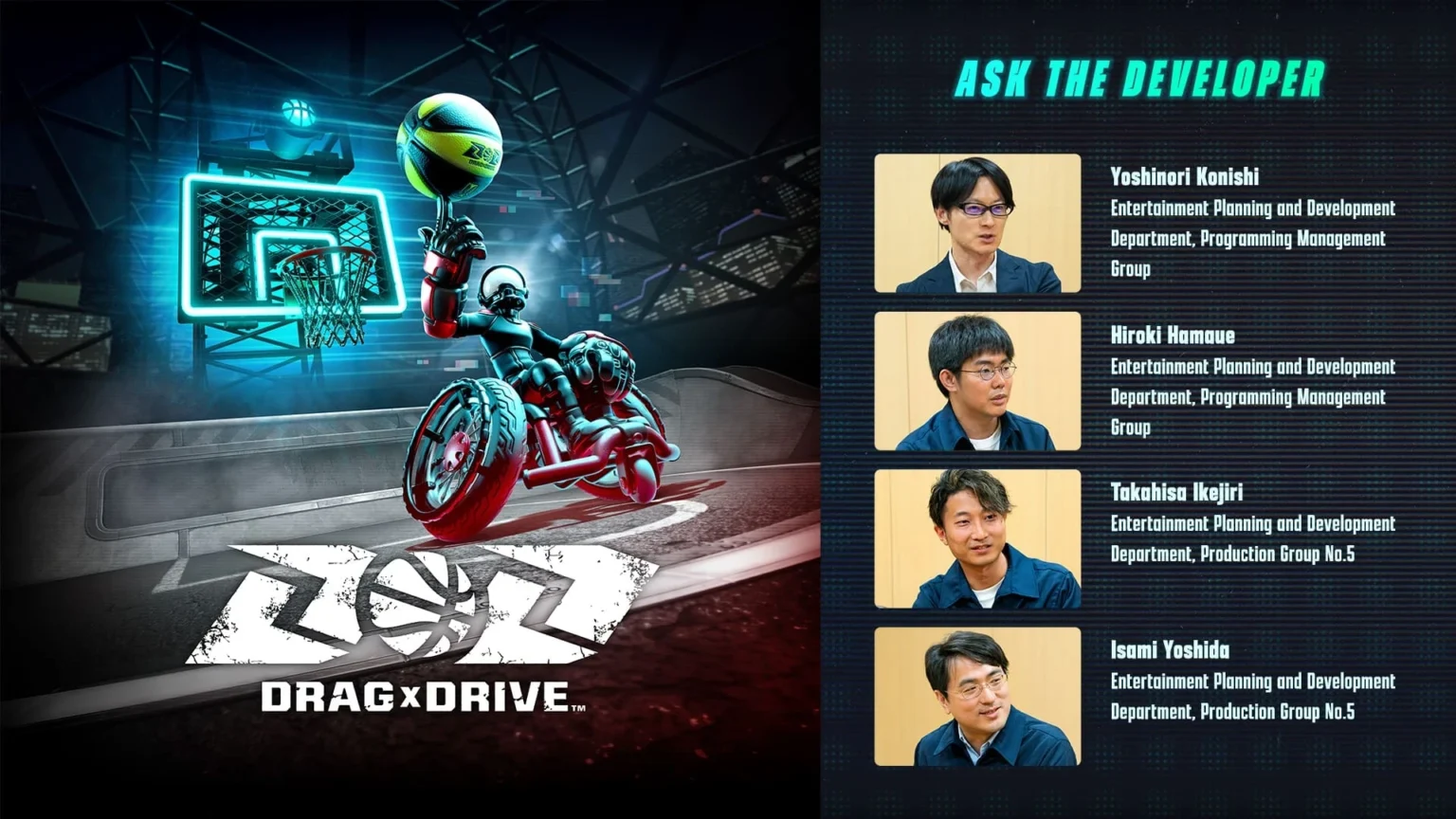
Nintendo has published Part 1 of Ask the Developer Vol. 20, focusing on Drag x Drive – a motion-driven sports title for Nintendo Switch 2 that launched on Thursday, August 14, 2025. The interview, posted on December 2, 2025, outlines how a prototyping effort grew into a full game anchored by mouse-style input on two Joy-Con 2 controllers. The team cites inspiration from wheelchair basketball, wheelchair rugby, wheelchair motocross, BMX, and skateboarding. Matches are designed for up to 3-on-3, with streamlined rules aimed at keeping players focused on movement and positioning.
Part 1 covers the control concept, the pivot to a simple competitive format, and hands-on research – including testing with real wheelchair basketball players – that shaped Drag x Drive’s feel and rules.
What Nintendo revealed in Part 1
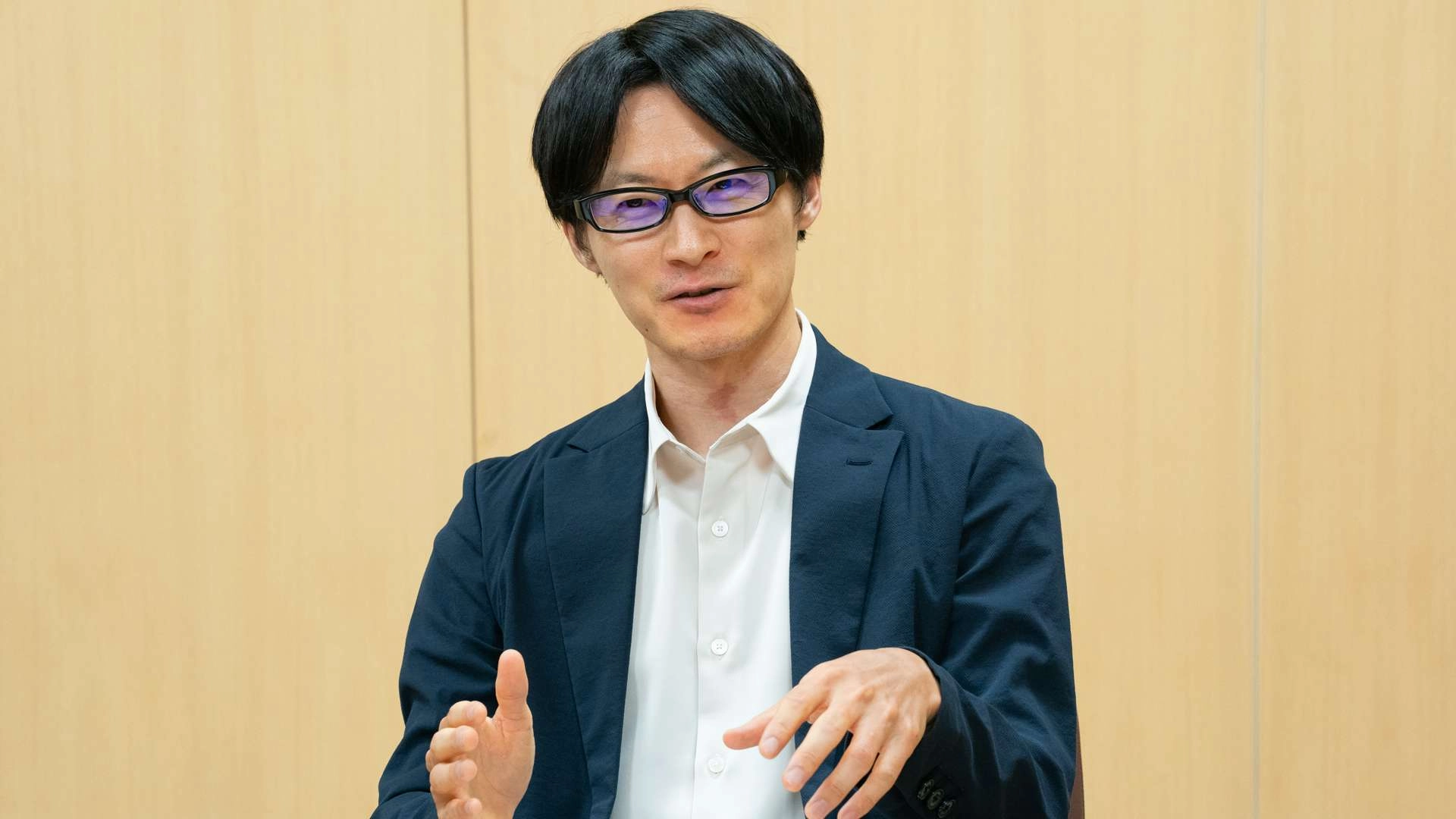
Director Yoshinori Konishi, programmer Hiroki Hamaue, designer Takahisa Ikejiri, and sound designer Isami Yoshida explain how the project began inside a team tasked with building novel mechanics unconstrained by genre. Early experiments led to the realization that sliding a controller like a mouse along a single axis creates a satisfying, large-body movement suitable for motion play.
From there, development centered on making two-hand sliding feel like propelling a wheelchair’s wheels, with HD Rumble 2 providing the tactile illusion of rotation and traction.
The core idea: slide to spin the wheels
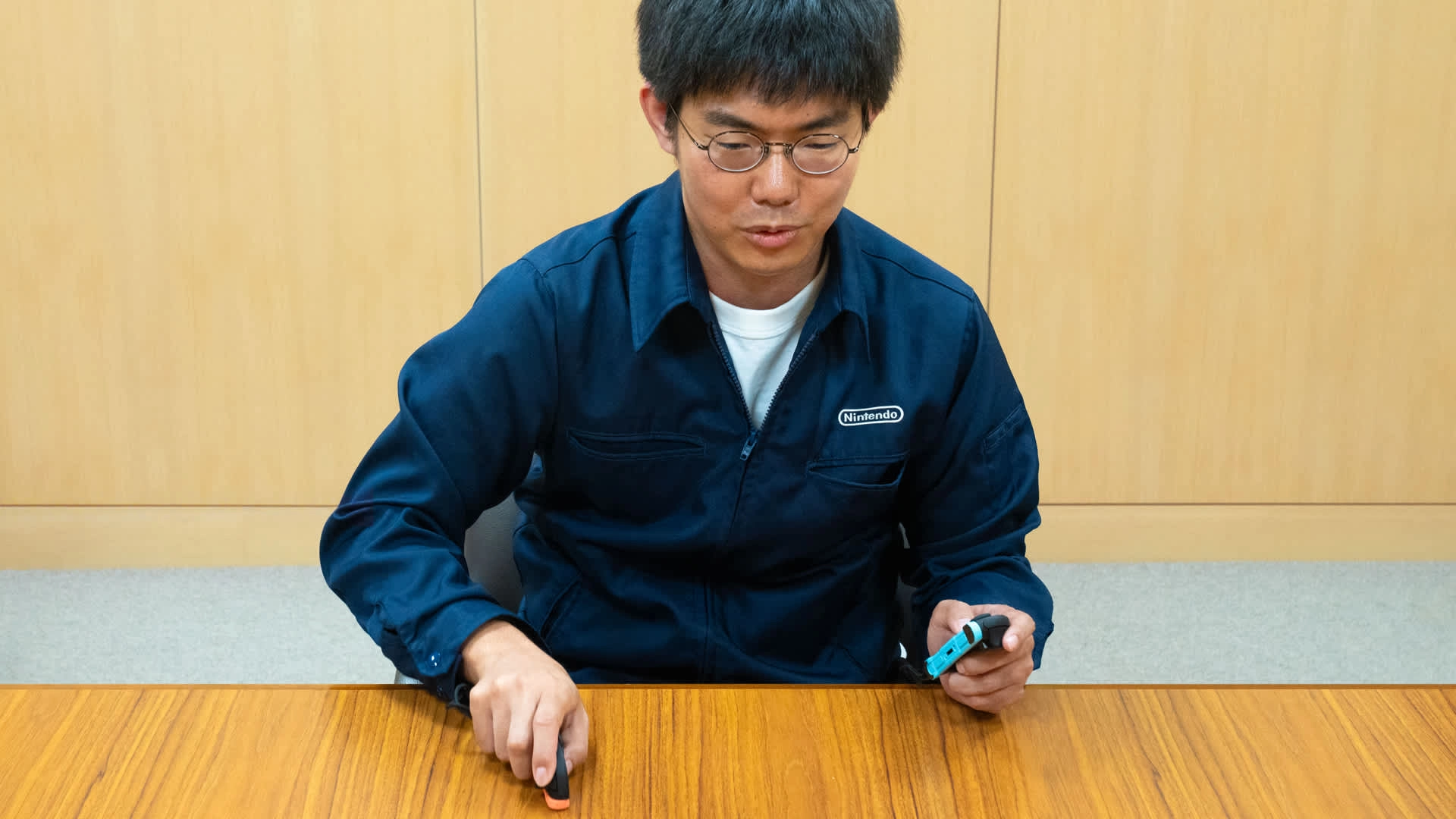
Hamaue experimented with combining motion and mouse-like input once he heard the next controller would support mouse functionality. Adding HD Rumble 2’s synchronized “rattle” made the action feel like turning a wheel, and using both hands naturally evoked wheelchair propulsion. This became the basis for movement, with each Joy-Con 2 acting like a wheel under your left and right hands.
“That’s when we realized, ‘Hey, this feels a bit like maneuvering a wheelchair.'”
From there, the team prototyped different activities – even a “chainsaw” test that involved vigorous pulls – before narrowing to a single-axis sliding scheme to keep inputs clear and physical without overloading players with simultaneous stick-and-button combinations.
Key gameplay beats
- 3-on-3 matches built around wheelchair-like vehicles and tight arenas.
- Mouse-style sliding with two Joy-Con 2 controllers to move and turn, one “wheel” per hand.
- HD Rumble 2 synchronized with motion to simulate wheel traction.
- Simple possession rules: no dribbling; use a tackle to steal the ball.
- Shooting via a forward flick of the controller under the basket.
- Distinct arena elements (e.g., a half-pipe beneath the goal) to enable momentum plays.
- System-level “straightness correction” to help maintain forward lines when both hands are pushing.
From prototype to sport: fixing straight lines and adding contact
Early tests made it hard to drive straight because minor left-right input differences caused unwanted turns. Konishi and Hamaue iterated for about two months, adding assistive logic that aligns wheel rotation when both hands push forward, and tuning turning behavior over a further two-to-three weeks.
“We added a ‘straightness correction’ so players could move in their intended direction.”
Read also our article: Limited‑time New Horizons icons arrive in Nintendo’s December wave
Rule-wise, the team found that crashing and contact play felt more satisfying than pure avoidance. They leaned into a wheelchair rugby–style possession model: no dribble requirement, tackles to strip the ball, then a simple wrist flick to shoot. The result keeps decision-making focused on positioning, timing, and controlled bursts of speed.
Research runs: real chairs, tight spaces, and athlete feedback
Because the team didn’t use wheelchairs daily, they conducted focused research – reading athlete essays and reference materials and bringing both an everyday wheelchair and a sports chair into the office. With Switch 2 unannounced at the time, tests were kept discreet, sometimes limited to office corridors after hours.
The group also attended a wheelchair basketball trial session in Osaka. Developers noted how technique-heavy propulsion – when to apply or release force on each wheel – shaped movement in the sport. Later, real wheelchair basketball players tried the prototype. They adapted quickly, executing tight turns and reverse movement with ease and accepting the game’s sport-like variables – the lack of dribbling, legal tackles, and the half-pipe – as part of its distinct rule set.
According to the team, seeing athletes pick up the controls rapidly reinforced the goal of intuitive, readable motion that remains deep at speed.
Who’s building Drag x Drive
Part 1 also outlines key team members and their prior work at Nintendo. Their backgrounds span racing, fitness, competitive shooters, platformers, and large-scale adventure design – a mix that informed Drag x Drive’s physics, readability, and audio feedback.
Core team and prior credits
Beyond Part 1
Nintendo’s interview series continues with additional parts covering production challenges and the game’s “park” atmosphere. Part 1 establishes the foundation – why the team chose single-axis sliding, how they trimmed inputs, and how contact rules and arena features emerged from testing.
Expect subsequent entries to detail broader design solutions and how the team balanced accessibility with play depth over longer sessions.
Final takeaway – why it matters
Drag x Drive shows how purpose-built motion design can create clear, learnable competition without button complexity. For players, the pitch is straightforward: move with your arms, feel the wheels, and fight for space in 3-on-3 play. If you’ve been waiting for a motion game that prioritizes readable physics and quick mastery loops, this developer breakdown explains exactly how the team made it work on Switch 2.
Category
Share the news


Meet the Author


Article:
Read all

Solid Snake joins Rainbow Six Siege on March 3 with intel‑driven tools and scavenging gameplay. A few weeks later, a limited‑time 4v4 infiltration mode arrives alongside map and balance updates.
 February 15, 2026
 2
2
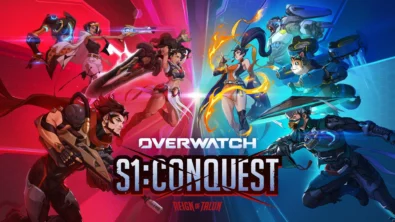
Season 1 opens the first chapter with Domina, Emre, Mizuki, Anran, and Jetpack Cat, plus the Conquest meta race between Overwatch and Talon. The world will update in real time as the story unfolds.
February 14, 2026
3
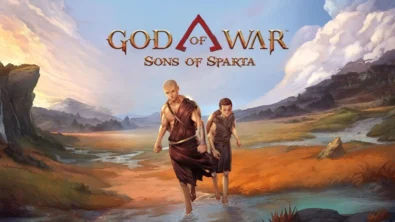
Kratos’ Spartan youth becomes playable in God of War Sons of Sparta – a canon, pixel‑art 2D prequel on PS5 with customizable spear‑and‑shield combat, Gifts of Olympus, and returning voice talent.
February 13, 2026
5

Ancient embalming, step by step – a new museum installation built on Assassin’s Creed Origins’ Discovery Tour lets visitors explore mummification interactively at Musée de l’Homme, open November 2025-May 2026.
February 13, 2026
6
Read also
Season 1 opens the first chapter with Domina, Emre, Mizuki, Anran, and Jetpack Cat, plus the Conquest meta race between Overwatch and Talon. The world will update in real time as the story unfolds.
February 14, 2026
3
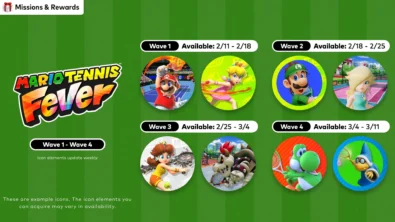
New Mario Tennis Fever-themed icon elements are time-limited and rotate across four waves. Availability runs 2/11-3/11 (PT), with monthly refreshes in the Nintendo Switch Online app.
February 13, 2026
6
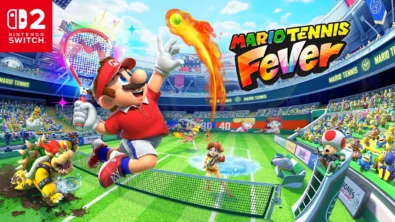
Mario Tennis Fever arrives on Nintendo Switch 2 with 30 Fever Rackets, a 38-strong roster (including new faces), and 8 distinct modes—plus a baby-sized Adventure Mode twist.
February 13, 2026
6

The series brings all three golf majors to Nintendo Switch 2 for the first time, alongside deeper MyCareer tools and cross-platform play — with daily and weekly tournaments to climb.
February 11, 2026
7
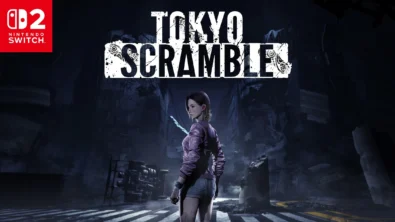
Anne wakes beneath Tokyo with dinosaur-like predators on her trail. TOKYO SCRAMBLE mixes stealth, strategy apps, and heart-rate management, plus co-op for up to four via GameShare on Nintendo Switch 2.
February 11, 2026
7
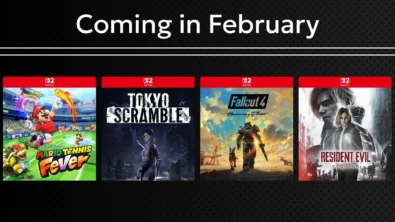
Remakes, horror, sports and sci‑fi strategy headline Nintendo’s February slate. Here are the exact dates, platforms and core features straight from the official roundup—no fluff, just facts.
February 11, 2026
8
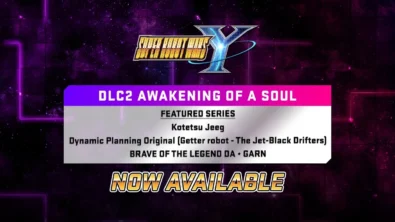
DLC Pack 2 lands for Super Robot Wars Y with new series and 26 missions, while a free update brings Battle Rush 2’s 20-wave challenge and raises progression ceilings for pilots, mechs and weapons.
February 6, 2026
10
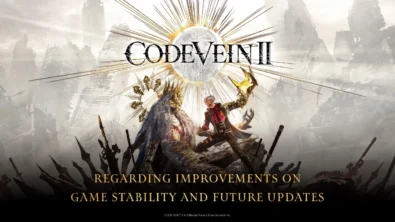
Following player feedback, CODE VEIN II is prioritizing frame rate improvements and stability, with ongoing patches planned for the full game on every platform. Balance changes and broader performance fixes are also on the road...
February 6, 2026
12
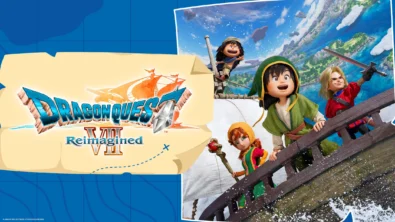
Square Enix brings DRAGON QUEST VII back on Nintendo Switch and Switch 2 with a diorama look, a leaner story structure, and overhauled combat — including dual vocations and faster, more tactical battles.
February 6, 2026
11

Switch 2 picks up steam as Nintendo details dates for Indiana Jones, Fallout 4, FFVII Rebirth, Resident Evil Requiem and more – plus classic revivals and new exclusives landing as soon as today.
February 6, 2026
14

Співпраця
Співпраця - текст
TopGame Newsletter!
Unlock exclusive gaming deals, fresh guides, and insider picks — straight to your inbox. No spam, just real content for real players.
