


Popular articles



How Dawnwalker’s New Key Art Was Built – Symbols, Poses, Vale Sangora
Table of Content

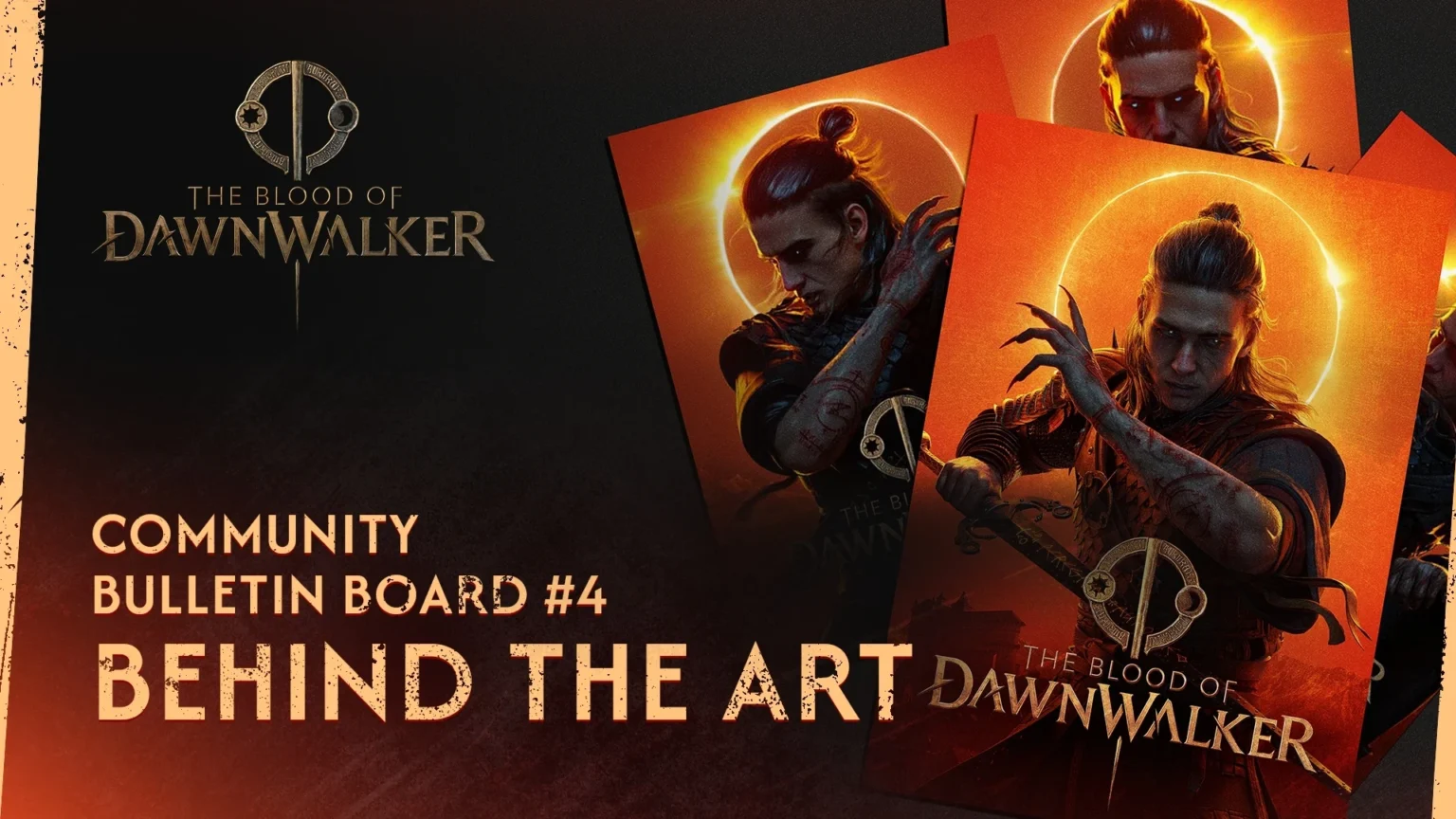
The Full Wolf Moon marked a new phase for The Blood of Dawnwalker, which the studio says is entering its launch year. Alongside that milestone, Bandai Namco released a detailed breakdown of the game’s new key art. The visual centers on the protagonist Coen – a Dawnwalker – and layers in worldbuilding through weapon motifs, arcane markings, and a charged Carpathian backdrop. The blog post outlines the concept’s origin, location cues, and the team’s approach to posing, lighting, and storytelling. It also clarifies how the magical runes work within the game’s setting.
Vale Sangora Set the Tone
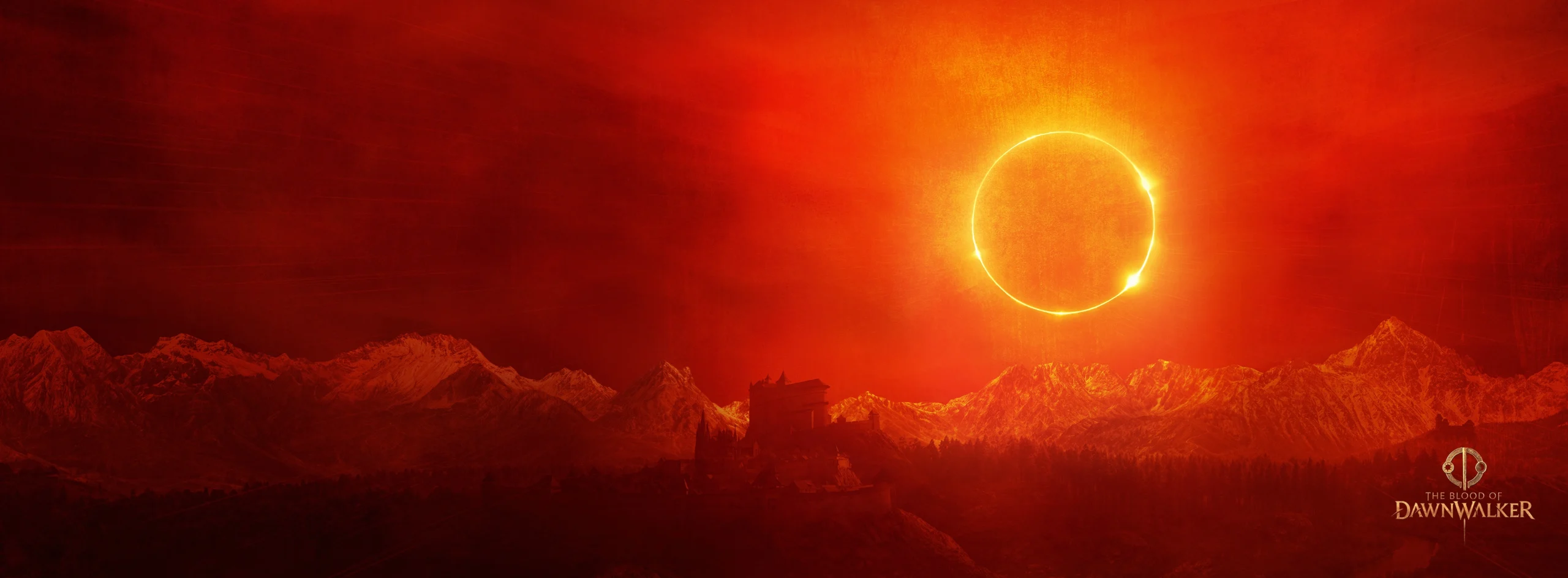
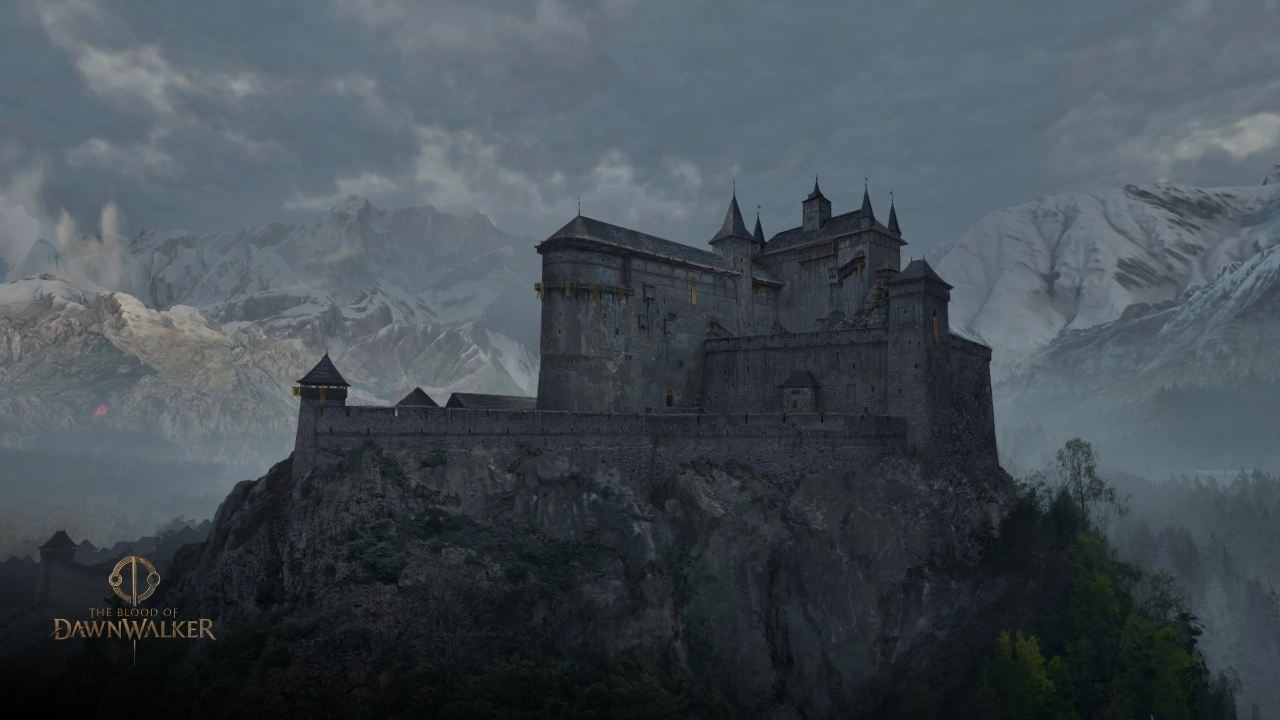
The composition began not with the character but with place – Vale Sangora, a locale set in the Carpathian Mountains. A warm orange palette and a striking eclipse establish the piece’s mood, doubling as a symbol of Coen’s duality – the tension between his human and vampiric sides. Landmarks appear in the distance, including Svartrau Castle and the Cathedral, both positioned as key locations players will encounter in Vale Sangora.
For a closer look at the Cathedral’s towers and stained glass, the studio points to last year’s Gameplay Overview Part 2 video: https://www.youtube-nocookie.com/embed/modh7huKEYw?si=7DJ7WoKNV8YVyJ0n
Iconography – Sword, Scales, and Runes
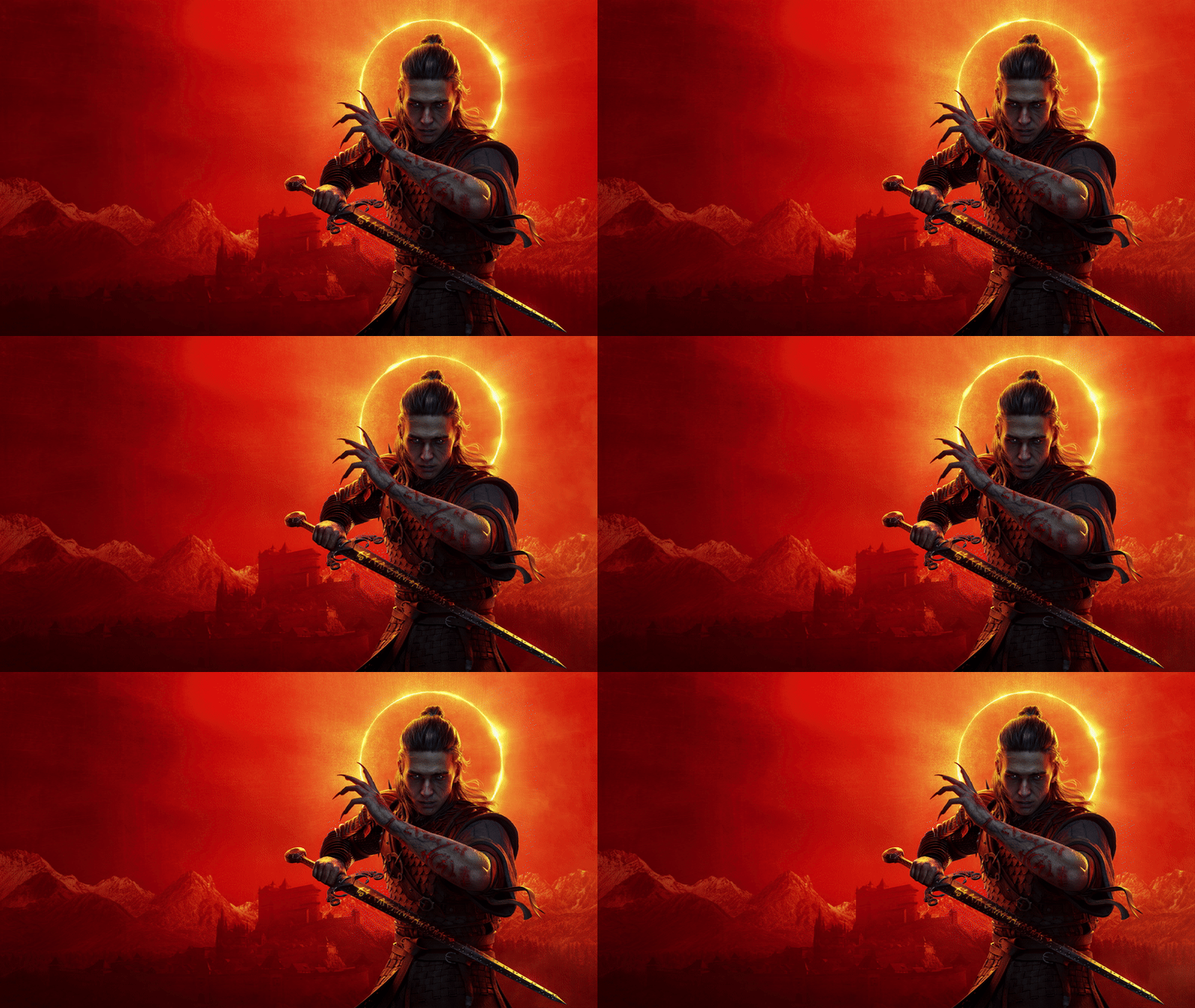
- Peregrini Aurorae: Coen’s right hand grips a sword inscribed with “Peregrini Aurorae” – translated as Dawn’s Pilgrim – paired with a set of scales to suggest equilibrium and justice.
- Runed left arm: His left arm, marked by magical runes, hints at power that “defies the laws of nature,” visually leading toward a forbidden realm.
- Eclipse: The eclipse in the sky underscores the character’s split identity and anchors the dramatic lighting across the scene.
Finding the Pose – Motion First, Detail Later
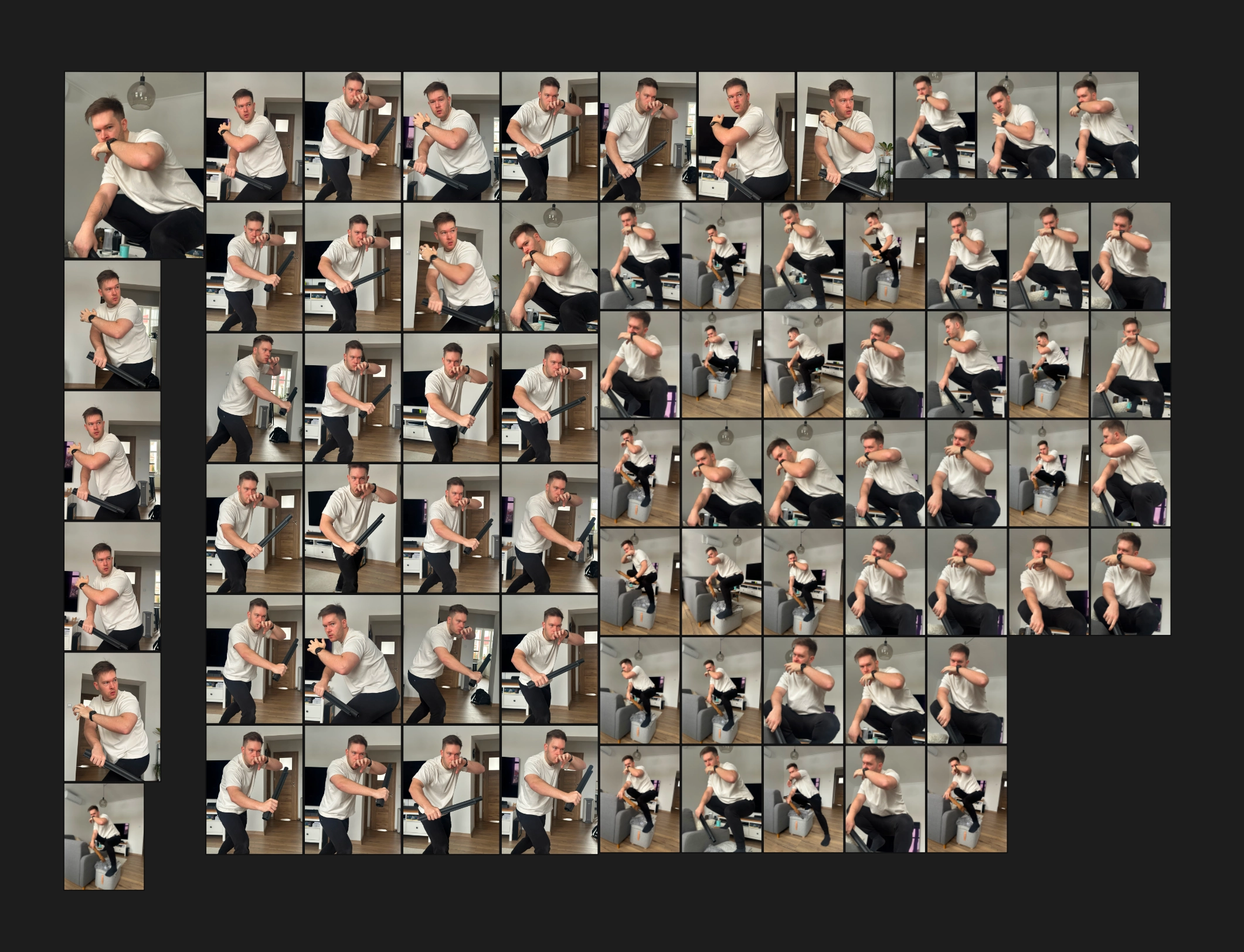
With the vista locked, the spotlight moved to how Coen should stand and move. The team stresses that his arc is shaped by player choice – making a believable, readable pose essential. Artist and designer Wojtek Fus explored variations across photography and sketches before committing to the final silhouette.
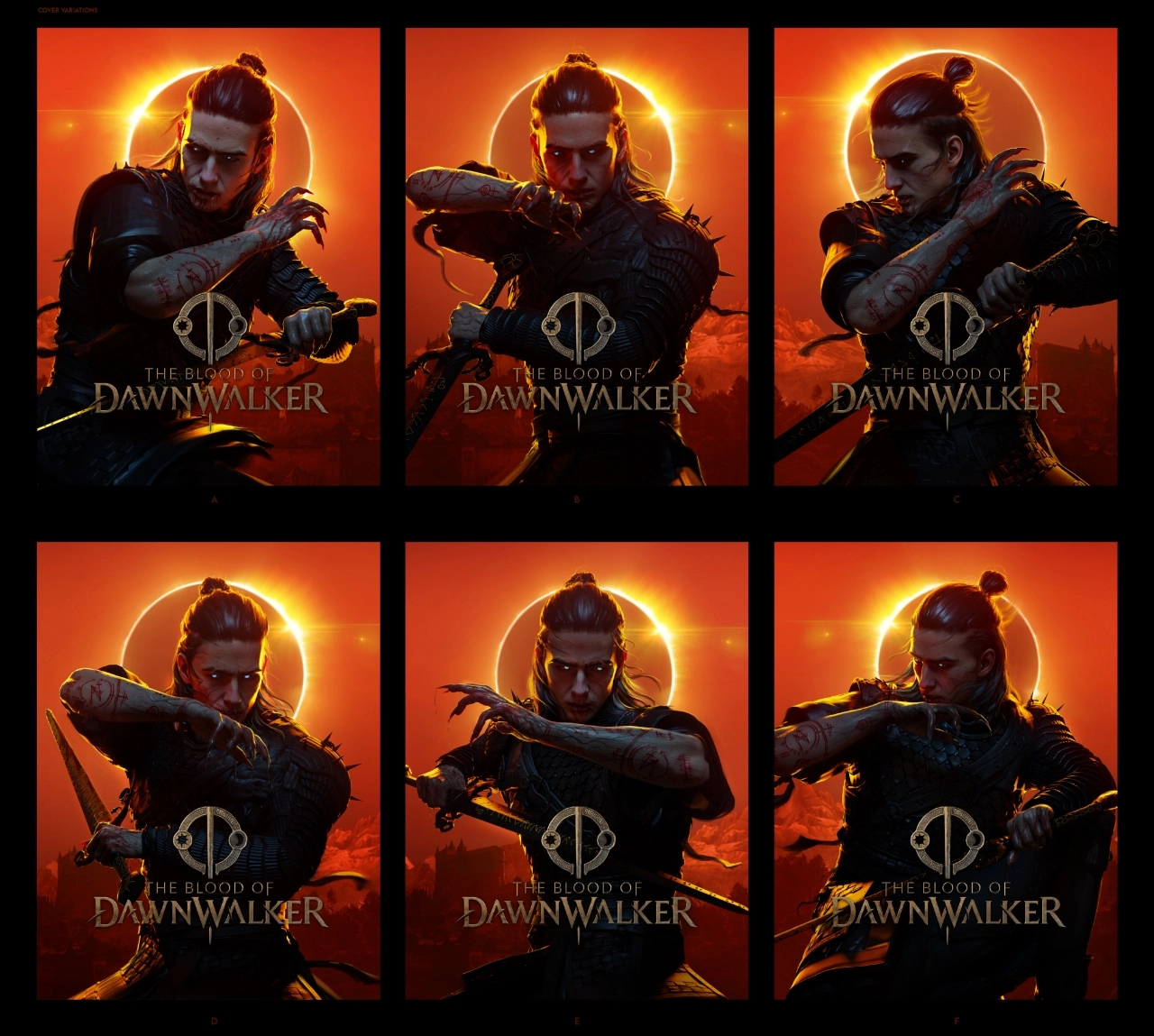
“I wanted something dynamic, natural, and exciting, while subtly showcasing Coen’s vampiric nature through the silhouette,” said artist & designer Wojtek Fus.
Read also our article: Gamechat on Switch 2 Explained – Features, Limits and Access
From 2D to 3D – Refining Expression and Story
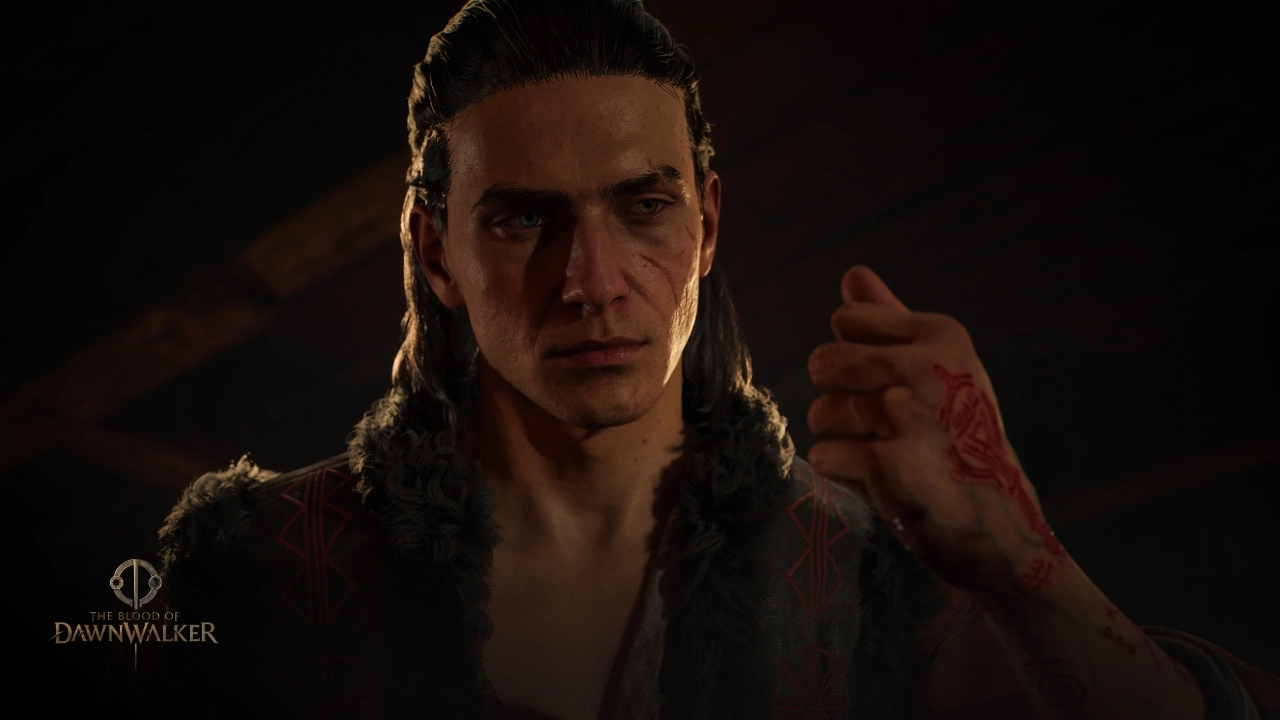
The cover went through multiple iterations – first in 2D, then in 3D – followed by extensive detailing and polish. The last phase focused on facial expression and storytelling beats within the frame. According to Fus, Coen is depicted mid‑fight, eyes glowing with a signature vampiric intensity, yet still betraying doubt and hesitation about who he is – and what he could become.
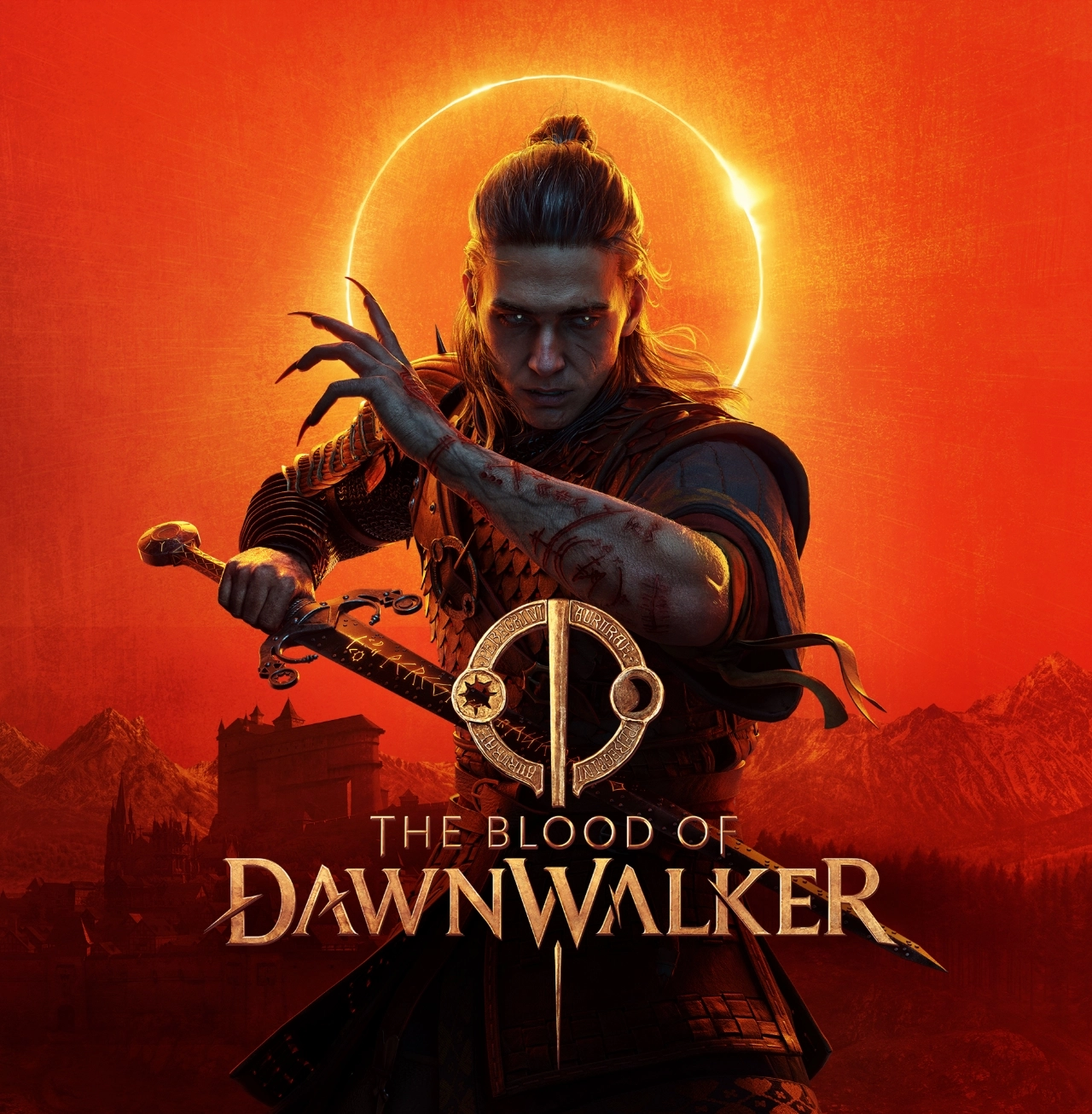
“Coen is captured mid-fight, focused and determined, with his iconic vampiric eye glow pushing the intensity,” adds Wojtek Fus.
Who Made What – Credits
- Final cover: Wojtek Fus
- Art direction: Bartłomiej Gaweł
- Background: Ricky Ho
- Graphic design: Mateusz Ferenc
- Concept art: Damian Bajowski
How Magic Works – Runes as Conduits
The studio clarifies that the tattoos on Coen’s arm function as conduits for spellcasting. In this world, mages must carve runes into the body to let magic “flow through.” Their applications span offense, defense, and investigation – the latter exemplified by the Compel Soul spell shown in the Gameplay Overview Part 2 video.
Final Takeaway – What This Signals for Players
The breakdown emphasizes that Dawnwalker’s visual identity is tightly bound to its themes: player‑shaped morality, a hero torn between light and darkness, and a magic system with tangible costs. Reading the art’s symbols – sword, scales, eclipse, and runes – offers a preview of the choices and consequences players will navigate when Coen steps into combat and beyond.
Category
Share the news


Meet the Author


Article:
Read all

Solid Snake joins Rainbow Six Siege on March 3 with intel‑driven tools and scavenging gameplay. A few weeks later, a limited‑time 4v4 infiltration mode arrives alongside map and balance updates.
 February 15, 2026
 2
2
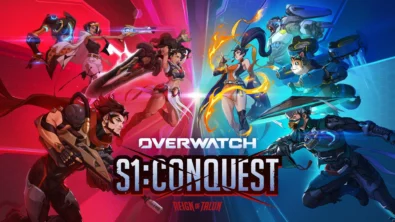
Season 1 opens the first chapter with Domina, Emre, Mizuki, Anran, and Jetpack Cat, plus the Conquest meta race between Overwatch and Talon. The world will update in real time as the story unfolds.
February 14, 2026
3
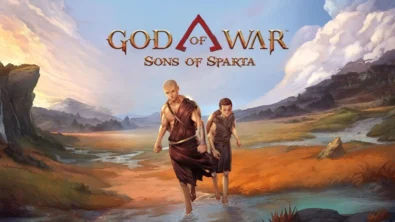
Kratos’ Spartan youth becomes playable in God of War Sons of Sparta – a canon, pixel‑art 2D prequel on PS5 with customizable spear‑and‑shield combat, Gifts of Olympus, and returning voice talent.
February 13, 2026
5
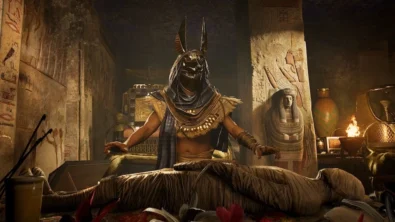
Ancient embalming, step by step – a new museum installation built on Assassin’s Creed Origins’ Discovery Tour lets visitors explore mummification interactively at Musée de l’Homme, open November 2025-May 2026.
February 13, 2026
6
Read also
Season 1 opens the first chapter with Domina, Emre, Mizuki, Anran, and Jetpack Cat, plus the Conquest meta race between Overwatch and Talon. The world will update in real time as the story unfolds.
February 14, 2026
3
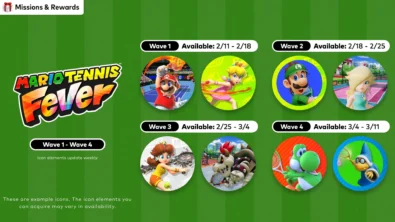
New Mario Tennis Fever-themed icon elements are time-limited and rotate across four waves. Availability runs 2/11-3/11 (PT), with monthly refreshes in the Nintendo Switch Online app.
February 13, 2026
6
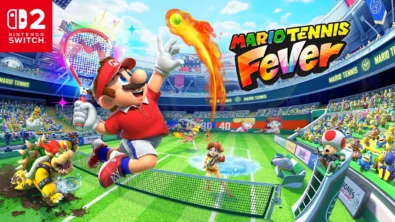
Mario Tennis Fever arrives on Nintendo Switch 2 with 30 Fever Rackets, a 38-strong roster (including new faces), and 8 distinct modes—plus a baby-sized Adventure Mode twist.
February 13, 2026
6
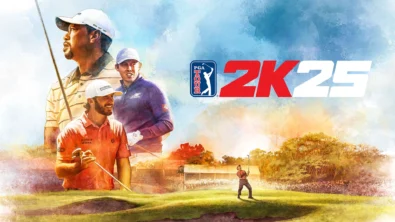
The series brings all three golf majors to Nintendo Switch 2 for the first time, alongside deeper MyCareer tools and cross-platform play — with daily and weekly tournaments to climb.
February 11, 2026
7
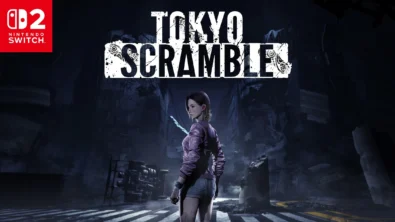
Anne wakes beneath Tokyo with dinosaur-like predators on her trail. TOKYO SCRAMBLE mixes stealth, strategy apps, and heart-rate management, plus co-op for up to four via GameShare on Nintendo Switch 2.
February 11, 2026
7
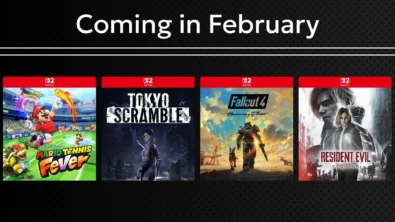
Remakes, horror, sports and sci‑fi strategy headline Nintendo’s February slate. Here are the exact dates, platforms and core features straight from the official roundup—no fluff, just facts.
February 11, 2026
8
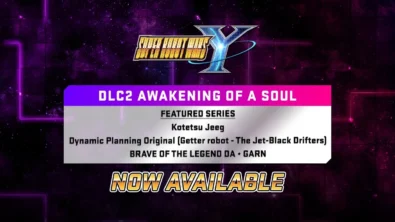
DLC Pack 2 lands for Super Robot Wars Y with new series and 26 missions, while a free update brings Battle Rush 2’s 20-wave challenge and raises progression ceilings for pilots, mechs and weapons.
February 6, 2026
10
Following player feedback, CODE VEIN II is prioritizing frame rate improvements and stability, with ongoing patches planned for the full game on every platform. Balance changes and broader performance fixes are also on the road...
February 6, 2026
12
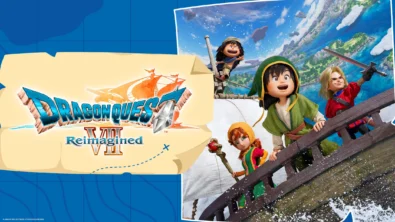
Square Enix brings DRAGON QUEST VII back on Nintendo Switch and Switch 2 with a diorama look, a leaner story structure, and overhauled combat — including dual vocations and faster, more tactical battles.
February 6, 2026
11

Switch 2 picks up steam as Nintendo details dates for Indiana Jones, Fallout 4, FFVII Rebirth, Resident Evil Requiem and more – plus classic revivals and new exclusives landing as soon as today.
February 6, 2026
14

Співпраця
Співпраця - текст
TopGame Newsletter!
Unlock exclusive gaming deals, fresh guides, and insider picks — straight to your inbox. No spam, just real content for real players.
