


Popular articles



Inside Drag x Drive Part 2 – how a half‑pipe changed the whole game
Table of Content

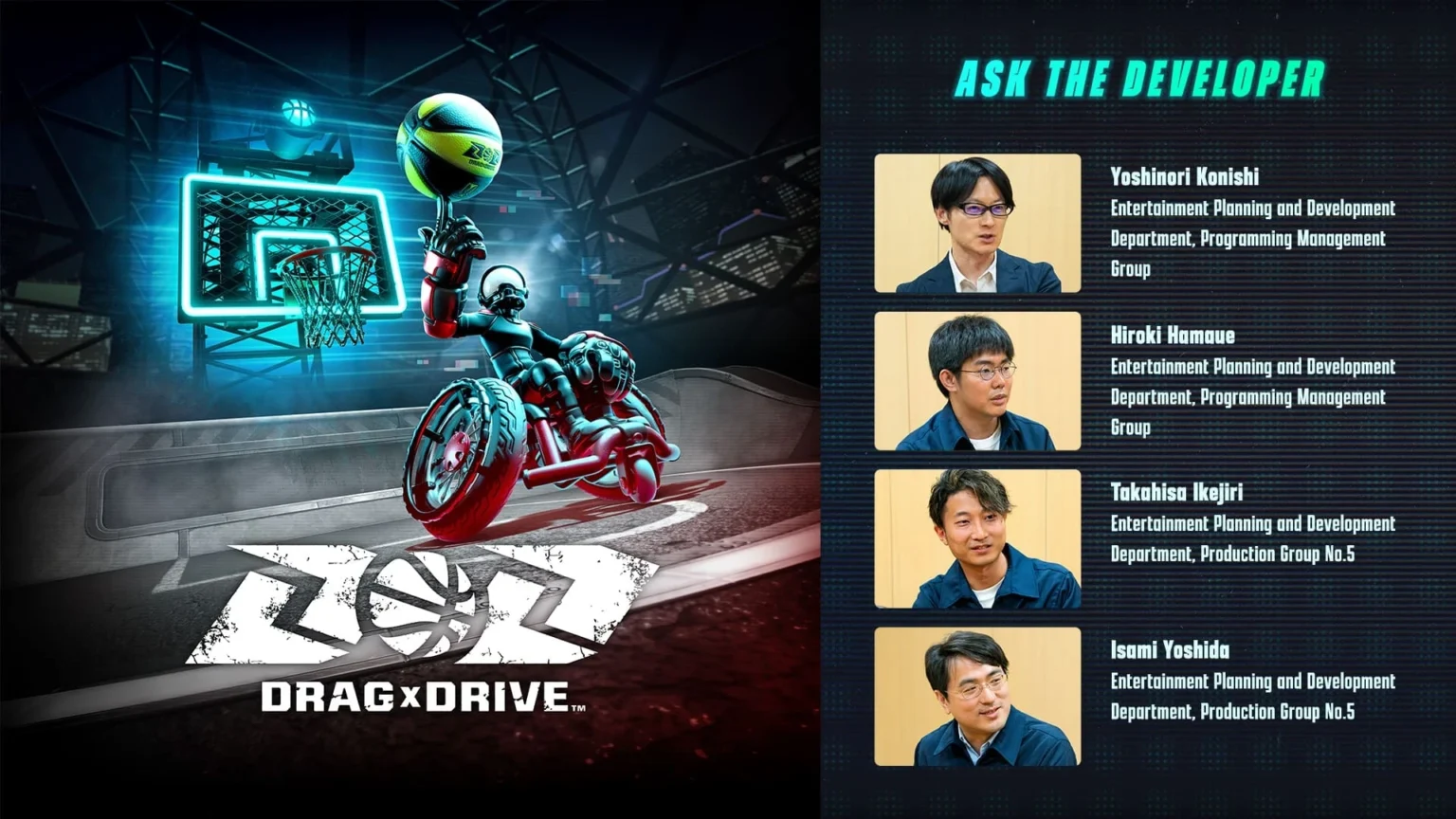
Nintendo has published Ask the Developer Vol. 20 (Part 2) focused on Drag x Drive, the street‑sport title for Nintendo Switch 2 that launched on Thursday, August 14, 2025. The team details the prototyping that led to its signature half‑pipe under the basket, why verticality mattered, and how the move reshaped controls, pace, and even character art. This second installment also explains the game’s three playable archetypes and how sound and motion sell their weight without changing top speed. The discussion follows Part 1 and sets up Part 3 of the series.
Analog-first controls – from tilting to a “bunny hop”
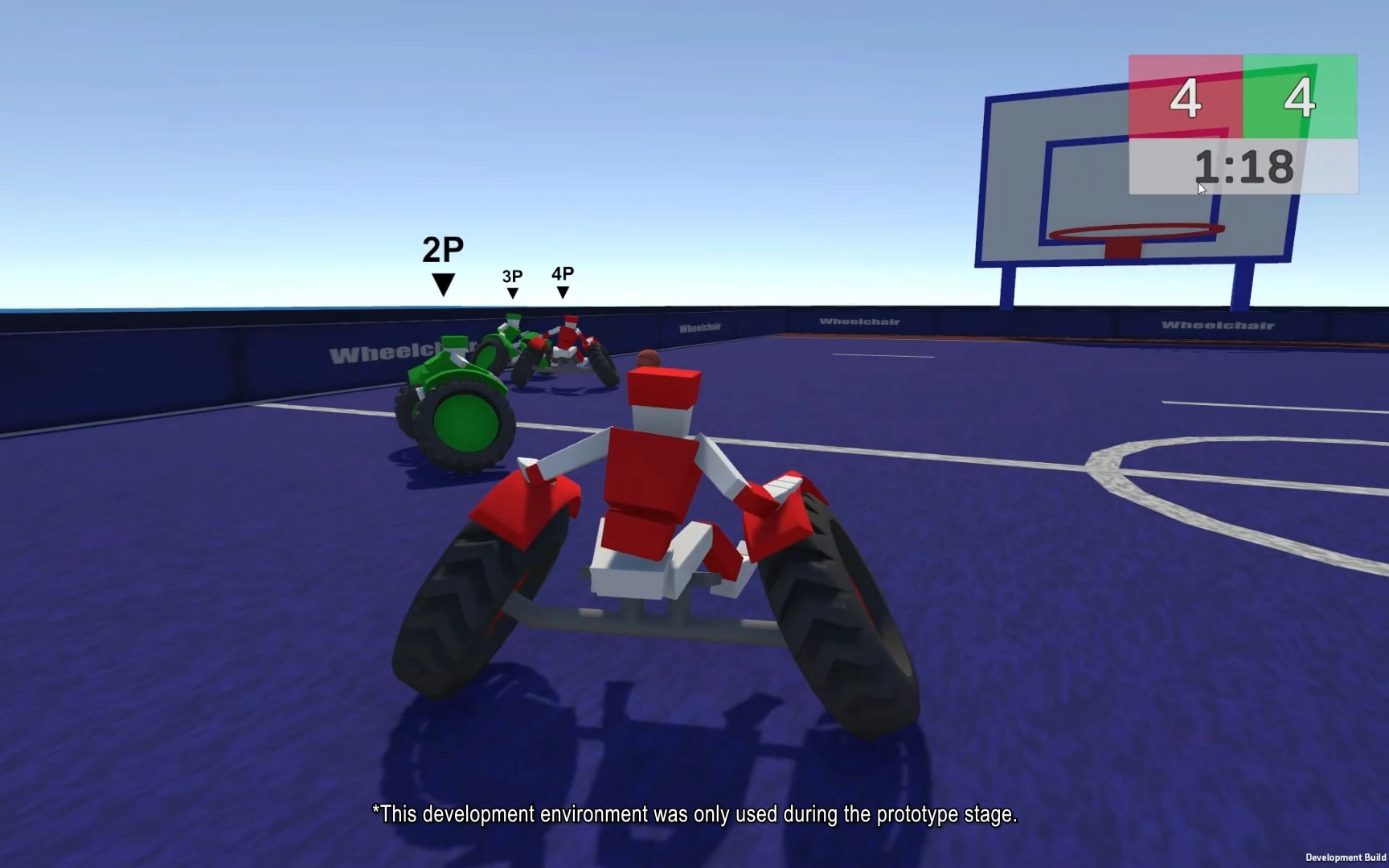
The developers prioritized an analog feel that links real‑world motions to in‑game movement. A wheelchair basketball‑style tilt mapped neatly to lifting a Joy‑Con 2 for sharper turns and momentum shifts. Seeking more dynamic options, the team explored a BMX‑inspired bunny hop – lift one side, then the other – to introduce vertical play. Even a rough real‑world test helped validate the idea, and once in game, that extra 3D movement opened new tactics such as cleaner rebounds.
Watch the control concept moment referenced by the team:

From messy sidelines to a half‑pipe under the hoop
Early court borders created problems. Walls pushed play to the edges. Out‑of‑bounds turnovers shifted focus to shoving instead of ball play. A gravel slowdown zone punished newcomers who over‑shot the hoop and crawled back into the action. The breakthrough was positioning a half‑pipe directly beneath the basket – a move that reframed the court and the sport.

The half‑pipe that solved three problems
Placing the half‑pipe wasn’t just a flashy idea – it addressed three lingering design issues at once. The table below outlines what changed and why it mattered.
Always‑on flow and authentic dunk timing
Drag x Drive’s matches never pause after points – the ball is live, and counters can start immediately. Within that flow, the team reworked dunks so they’re tied to speed, approach angle, and proximity. You cannot just jump anywhere; to dunk, you must ride the half‑pipe with enough momentum and swing Joy‑Con 2 when you’re in dunk range.
“Get back on defense!” – the uninterrupted tempo changes how players communicate and react.
Three archetypes, one top speed – readable, not reductive
Read also our article: How Drag x Drive reinvented motion play on Switch 2
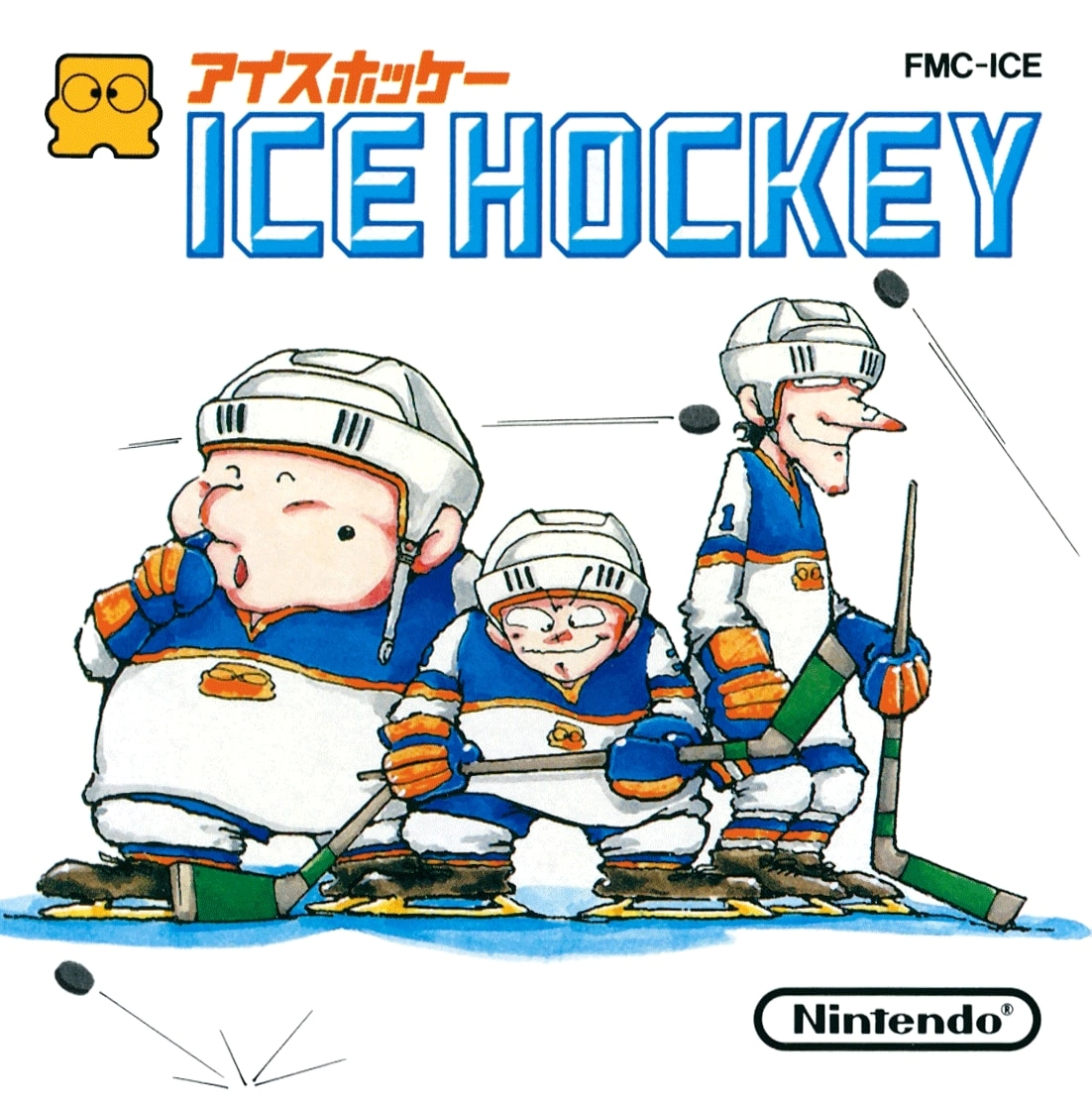
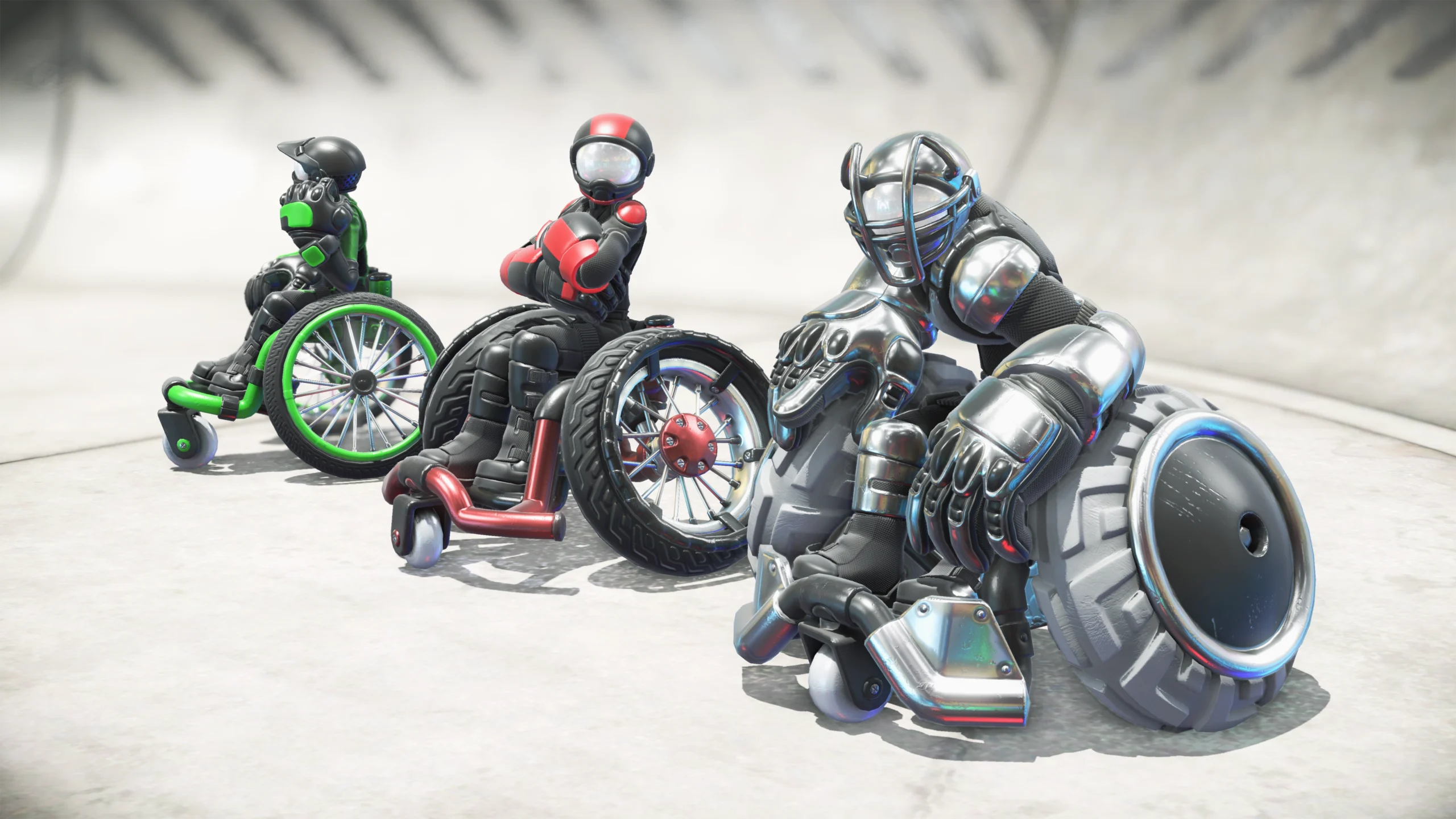
The roster splits into Guard, Forward, Center, a nod to the three physiques classic of Ice Hockey (1988). While their acceleration and turning differ, all share the same top speed – an intentional choice to avoid trivial “light vs. heavy” stereotypes. Visual clarity comes from real sports wheelchair design cues: the Center channels wheelchair rugby with a front bumper, the Forward draws from wheelchair basketball, and the Guard borrows from wheelchair motocross.
Audio backs it up – landing sounds are tuned to character weight, keeping feedback consistent yet distinctive. The cast is deliberately understated so that player movement and style become the personality others read on the court.

Style has stakes – trick shot bonuses
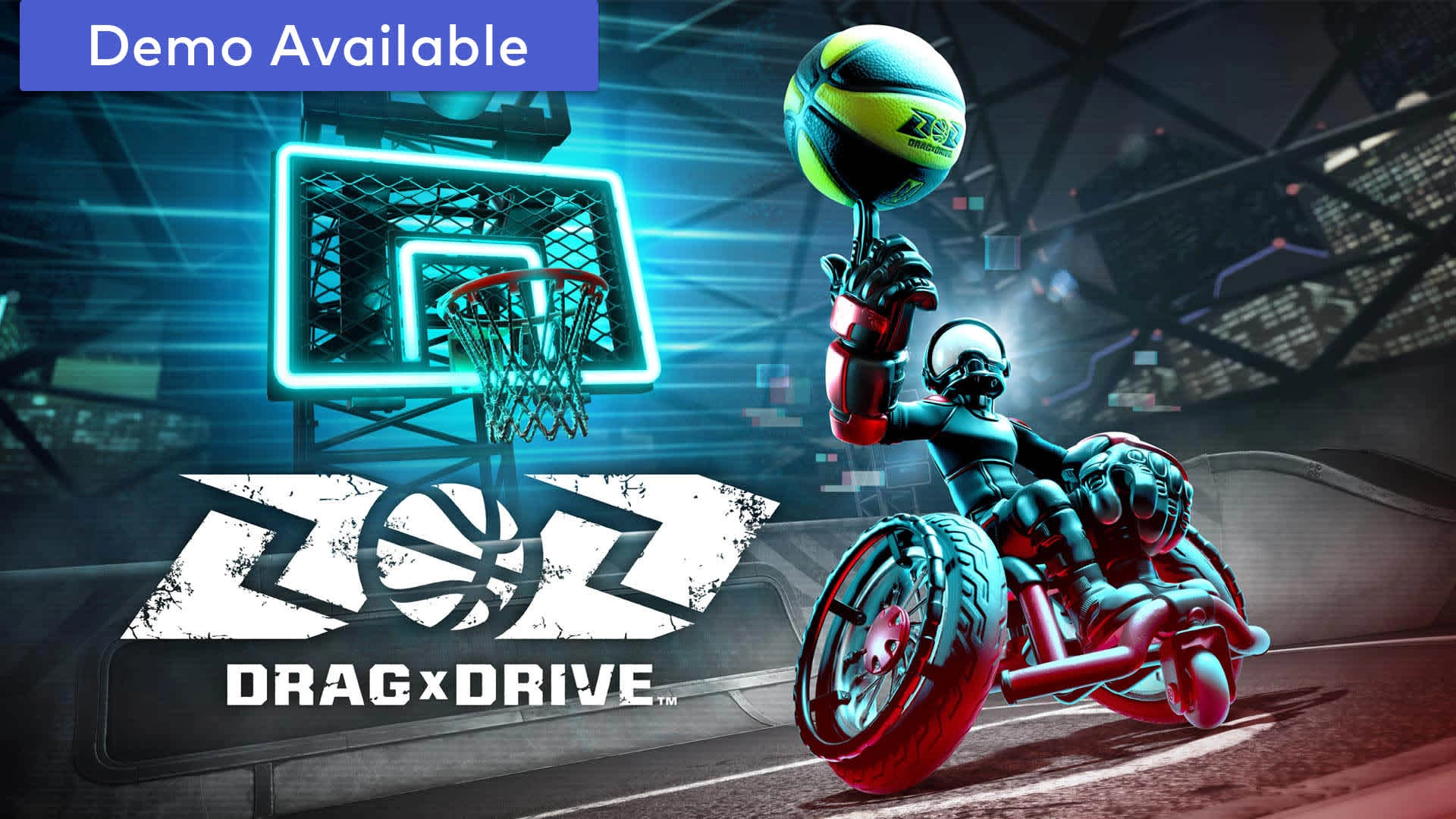
To bridge the gap between pure competitors and flair‑seekers, the team added bonus points for trick difficulty. That system preserves winning incentives while rewarding risky, stylish play – making heat‑check moments part of viable strategy, not just showmanship.
Developer notes worth highlighting
- Verticality – adding a bunny hop and half‑pipe made rebounds, alley‑style catches, and even backflip shots possible.
- Team composition matters – different mixes of Guards, Forwards, and a single Center can change how matches unfold.
- Analog over automation – movement, turning, jumping, and dunk timing are designed to feel physically driven.
“We resolved to place a half‑pipe under the goal.” – a single layout change redefined controls, pacing, and art.
Bottom line for players – vertical play, real flow, clear roles
Why it matters – Drag x Drive’s half‑pipe isn’t just a stunt; it’s the backbone of its analog dunking, non‑stop momentum, and readable class design. If you value movement‑driven skill, team composition mind‑games, and a scoring system that pays for style, this design diary shows why the court’s curve is the game.
Category
Share the news


Meet the Author


Article:
Read all

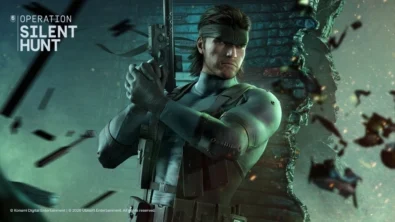
Solid Snake joins Rainbow Six Siege on March 3 with intel‑driven tools and scavenging gameplay. A few weeks later, a limited‑time 4v4 infiltration mode arrives alongside map and balance updates.
 February 15, 2026
 2
2
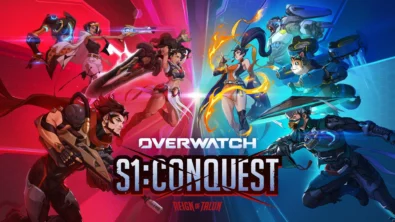
Season 1 opens the first chapter with Domina, Emre, Mizuki, Anran, and Jetpack Cat, plus the Conquest meta race between Overwatch and Talon. The world will update in real time as the story unfolds.
February 14, 2026
3

Kratos’ Spartan youth becomes playable in God of War Sons of Sparta – a canon, pixel‑art 2D prequel on PS5 with customizable spear‑and‑shield combat, Gifts of Olympus, and returning voice talent.
February 13, 2026
5

Ancient embalming, step by step – a new museum installation built on Assassin’s Creed Origins’ Discovery Tour lets visitors explore mummification interactively at Musée de l’Homme, open November 2025-May 2026.
February 13, 2026
6
Read also
Season 1 opens the first chapter with Domina, Emre, Mizuki, Anran, and Jetpack Cat, plus the Conquest meta race between Overwatch and Talon. The world will update in real time as the story unfolds.
February 14, 2026
3
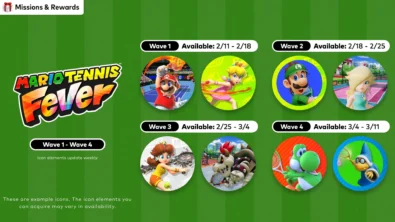
New Mario Tennis Fever-themed icon elements are time-limited and rotate across four waves. Availability runs 2/11-3/11 (PT), with monthly refreshes in the Nintendo Switch Online app.
February 13, 2026
6
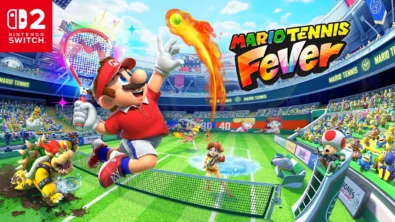
Mario Tennis Fever arrives on Nintendo Switch 2 with 30 Fever Rackets, a 38-strong roster (including new faces), and 8 distinct modes—plus a baby-sized Adventure Mode twist.
February 13, 2026
6
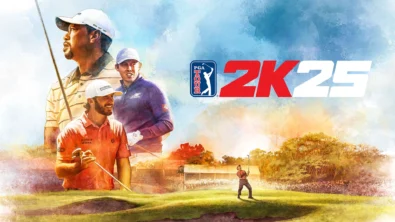
The series brings all three golf majors to Nintendo Switch 2 for the first time, alongside deeper MyCareer tools and cross-platform play — with daily and weekly tournaments to climb.
February 11, 2026
7
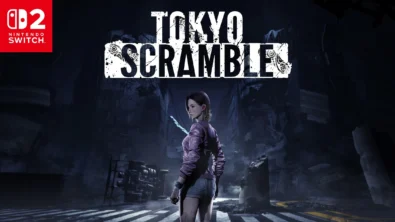
Anne wakes beneath Tokyo with dinosaur-like predators on her trail. TOKYO SCRAMBLE mixes stealth, strategy apps, and heart-rate management, plus co-op for up to four via GameShare on Nintendo Switch 2.
February 11, 2026
7
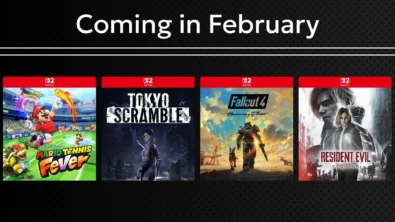
Remakes, horror, sports and sci‑fi strategy headline Nintendo’s February slate. Here are the exact dates, platforms and core features straight from the official roundup—no fluff, just facts.
February 11, 2026
8
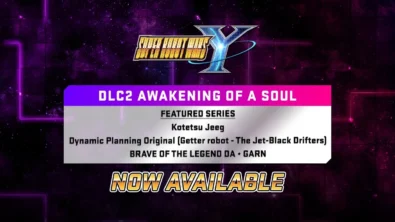
DLC Pack 2 lands for Super Robot Wars Y with new series and 26 missions, while a free update brings Battle Rush 2’s 20-wave challenge and raises progression ceilings for pilots, mechs and weapons.
February 6, 2026
10
Following player feedback, CODE VEIN II is prioritizing frame rate improvements and stability, with ongoing patches planned for the full game on every platform. Balance changes and broader performance fixes are also on the road...
February 6, 2026
12
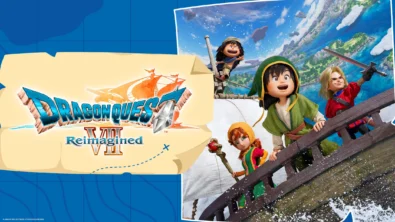
Square Enix brings DRAGON QUEST VII back on Nintendo Switch and Switch 2 with a diorama look, a leaner story structure, and overhauled combat — including dual vocations and faster, more tactical battles.
February 6, 2026
11

Switch 2 picks up steam as Nintendo details dates for Indiana Jones, Fallout 4, FFVII Rebirth, Resident Evil Requiem and more – plus classic revivals and new exclusives landing as soon as today.
February 6, 2026
14

Співпраця
Співпраця - текст
TopGame Newsletter!
Unlock exclusive gaming deals, fresh guides, and insider picks — straight to your inbox. No spam, just real content for real players.
