


Popular articles



Ride 6 Lands Feb 12 – How Drones, Data and Design Shaped Its Tracks
Table of Content

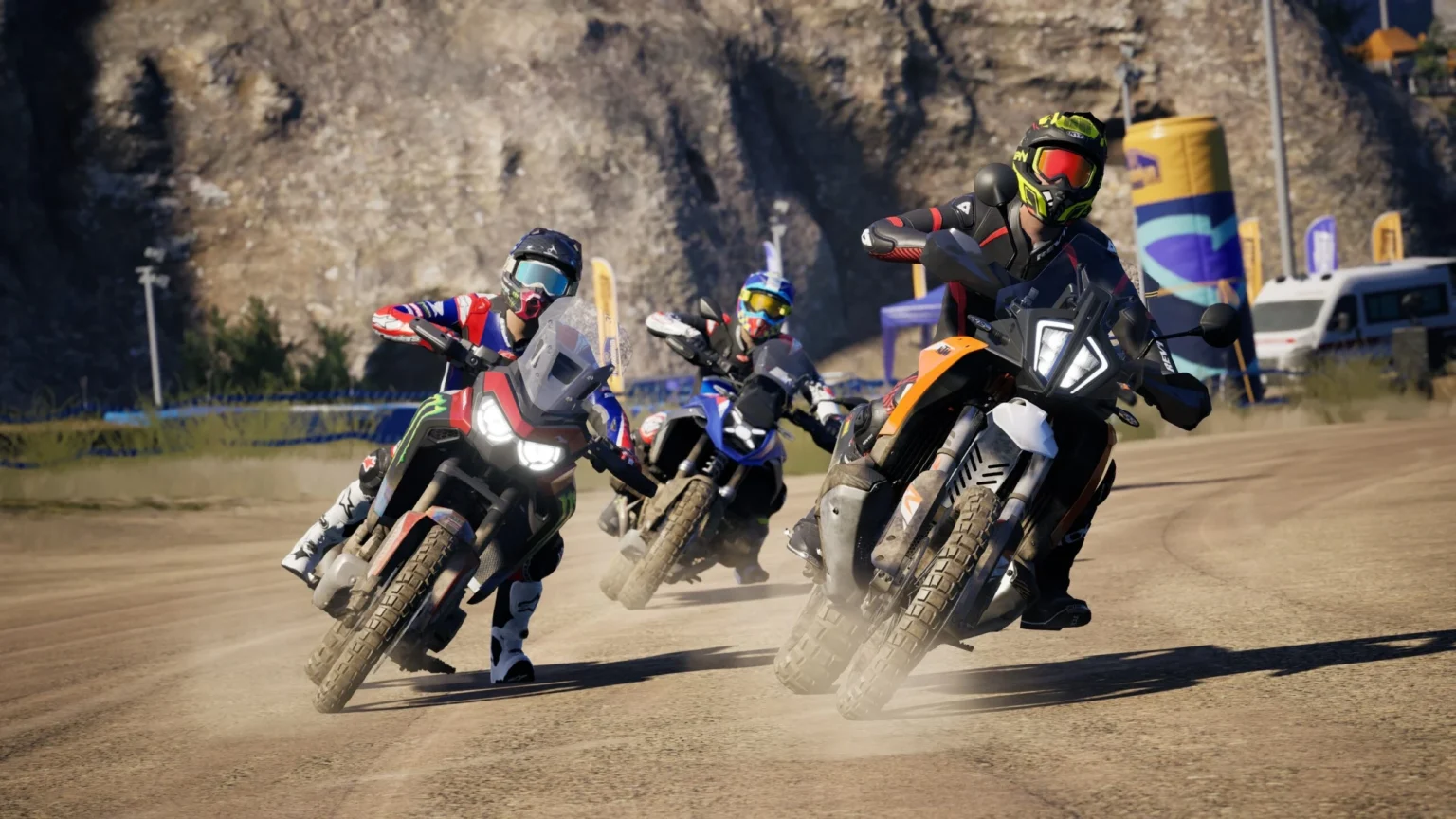
Ride 6 launches on February 12, and the studio has outlined how its over 40 tracks were created. The roster spans both real-world circuits and fictional layouts, each built with a distinct pipeline. Real venues are reconstructed from detailed drone surveys, while original tracks are shaped by design goals and validated by the physics team. The result is a mix of fast, flowing routes and tighter, technical challenges, with environments chosen to influence the feel of speed. Below – a breakdown of the process and what it means for players at launch.
Real Circuits – Drone Scans, Gps Control Points and Point Clouds
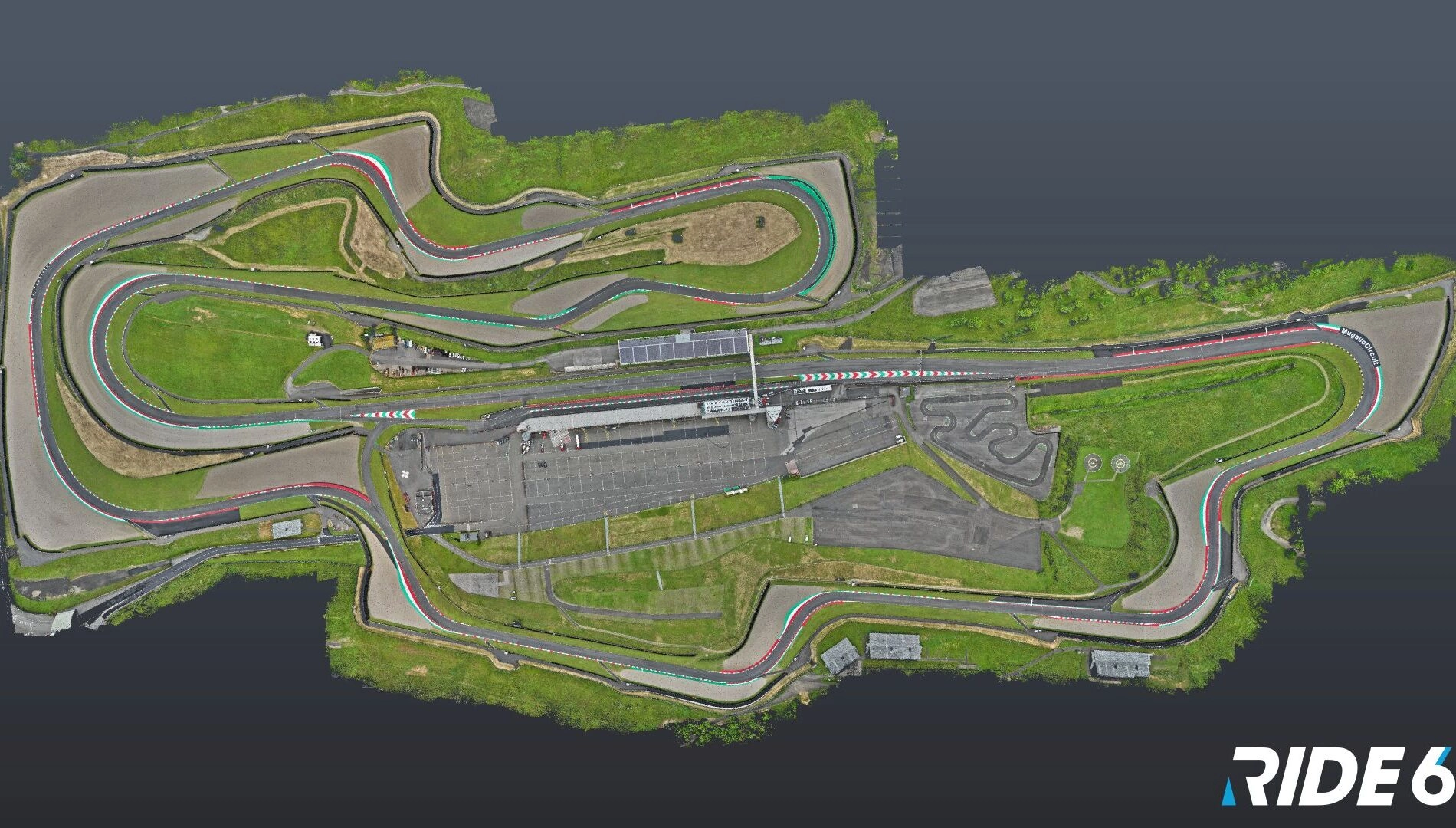
For authentic locations, the team conducts on-site aerial mapping. Each track is photographed from above using drones, capturing 2,000-2,500 photos depending on size and complexity. Before flights, they place 20-25 Ground Control Points – PVC panels marked with an “X” – and record their exact positions via high-precision GPS antennas. Linking each image to visible GCPs enables point clouds with an accuracy margin of 2.5 cm.
These point clouds encompass more than the racing surface – they include asphalt, curbs, paddock areas, and the surrounding environment such as vegetation, run-off zones, and grandstands. Once compiled, the data is handed to the Art Team as the foundation for the final 3D models.
Mugello and Beyond – Building out the Full Scene
Iconic venues like the Mugello Circuit are recreated with environmental context intact, ensuring trackside elements inform braking markers and sightlines. This approach aims to preserve the character of each location, not just its layout.
Fictional Tracks – Design-First Concepts, Physics-Tuned Handling
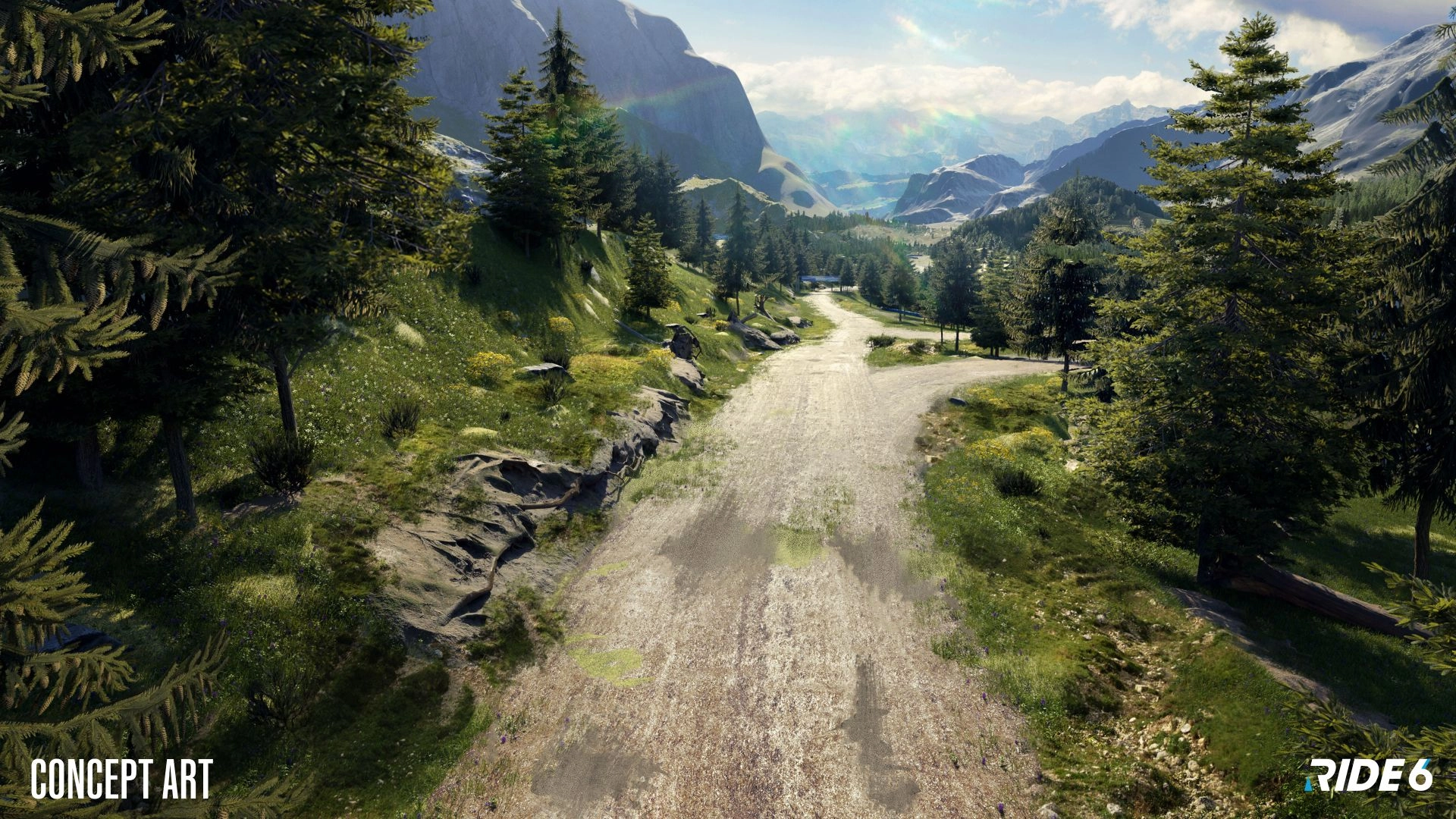
Original circuits start with a target experience – the track is tailored to the bike class and riding style it should showcase. The Design and Physics teams collaborate to strike a balance between approachability and challenge, ensuring the layout complements each machine’s strengths.
- Fast, flowing circuits – intended for newer players, with long straights, wide corners and generous lanes to build confidence. The Kapadokya Rally exemplifies this, offering a near rally-like off-road experience.
- Technical layouts – tighter and more demanding, aimed at experienced riders. Environment choice is deliberate: a dense forest can amplify the sensation of speed compared to the same layout in an open area.
Read also our article: Remnant Lands in No Man’s Sky – Gravity Gun, Trucks and a Planet-Scale Cleanup
From Graybox to Final Art – Testing on a “Track in the Void”
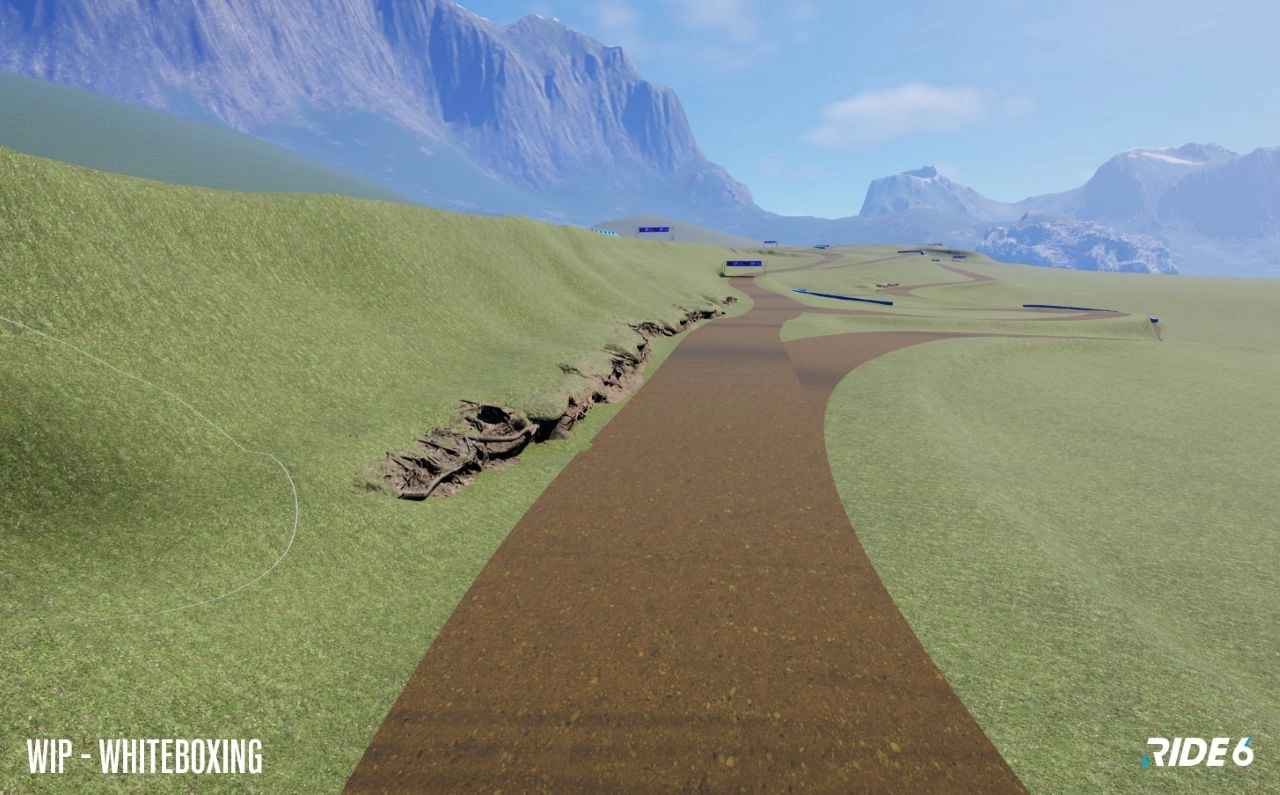
Once a layout is locked, practical testing begins on a stripped-down prototype – essentially a ribbon of asphalt suspended in empty space. The Gameplay Team evaluates flow, pacing and lines, feeding back refinements to Design. To aid player learning, reference elements such as a house, road sign or curb are then placed as visual anchors for racing lines and braking points. After this iteration, the Art Team builds out the full 3D environment.
Key Build Stats at a Glance
The figures below summarize the core parameters of the track creation pipeline – helpful context for how real-world fidelity and fictional design come together.
Final Takeaway – Why This Build Philosophy Matters
Ride 6’s track roster blends measurable real-world precision with purpose-built fictional designs. For players, that means familiar circuits captured with granular detail and new routes that deliberately teach, test and reward skill – all ready to explore on February 12.
Category
Share the news


Meet the Author


Article:
Read all

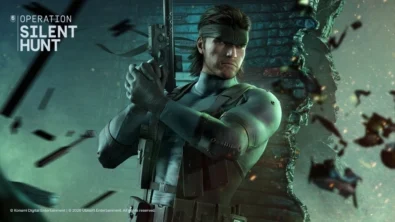
Solid Snake joins Rainbow Six Siege on March 3 with intel‑driven tools and scavenging gameplay. A few weeks later, a limited‑time 4v4 infiltration mode arrives alongside map and balance updates.
 February 15, 2026
 3
3
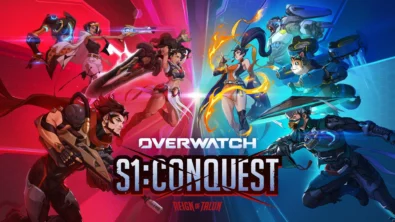
Season 1 opens the first chapter with Domina, Emre, Mizuki, Anran, and Jetpack Cat, plus the Conquest meta race between Overwatch and Talon. The world will update in real time as the story unfolds.
February 14, 2026
3
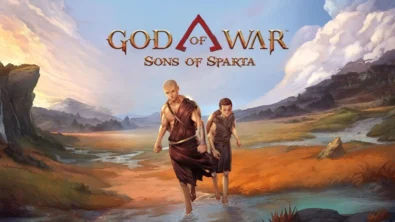
Kratos’ Spartan youth becomes playable in God of War Sons of Sparta – a canon, pixel‑art 2D prequel on PS5 with customizable spear‑and‑shield combat, Gifts of Olympus, and returning voice talent.
February 13, 2026
5
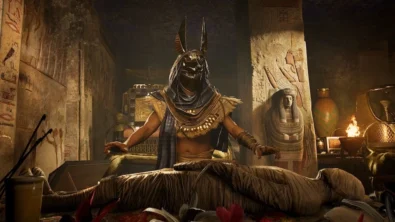
Ancient embalming, step by step – a new museum installation built on Assassin’s Creed Origins’ Discovery Tour lets visitors explore mummification interactively at Musée de l’Homme, open November 2025-May 2026.
February 13, 2026
6
Read also
Solid Snake joins Rainbow Six Siege on March 3 with intel‑driven tools and scavenging gameplay. A few weeks later, a limited‑time 4v4 infiltration mode arrives alongside map and balance updates.
February 15, 2026
3
Kratos’ Spartan youth becomes playable in God of War Sons of Sparta – a canon, pixel‑art 2D prequel on PS5 with customizable spear‑and‑shield combat, Gifts of Olympus, and returning voice talent.
February 13, 2026
5
Ancient embalming, step by step – a new museum installation built on Assassin’s Creed Origins’ Discovery Tour lets visitors explore mummification interactively at Musée de l’Homme, open November 2025-May 2026.
February 13, 2026
6
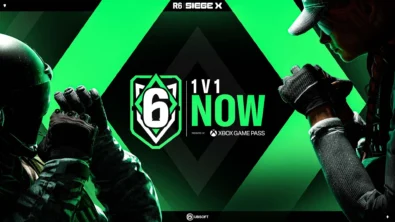
From training mode to centre stage: Rainbow Six Siege’s debut 1v1 circuit lands at the Six Invitational in Paris. Four regions, more than 3,200 entrants, semifinals Feb 14 and final Feb 15 for 5,000 US dollars.
February 13, 2026
5
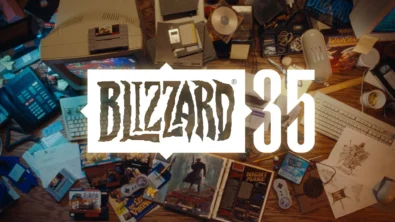
Blizzard links its 2026 milestones with a cross‑franchise Showcase and confirms BlizzCon’s return later this year – with more announcements and “surprises” still queued, says president Johanna Faries.
February 13, 2026
5

High On Life 2 launches with day-one Game Pass Ultimate support, while Narrative Director Alec Robbins explains how the team crafts jokes with players—shaping character-driven, reactive comedy.
February 13, 2026
6
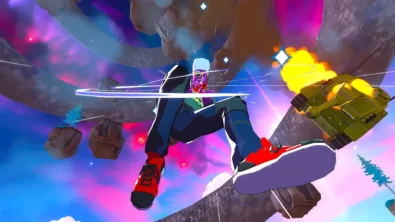
From a Star Trek survival-strategy take to stealth with Styx, eerie Backrooms horror, and management sims, Xbox’s February 17-20 slate packs 14 launches with Series X|S optimizations and cross-platform perks.
February 13, 2026
7
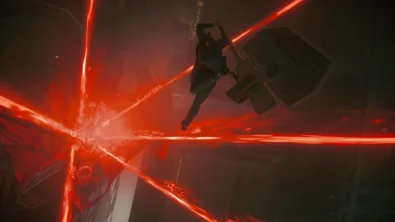
First full gameplay for CONTROL Resonant runs on PS5 Pro, spotlighting Dylan Faden in a reality-bending Manhattan with vast zones and Gravity Anomalies. Launch set for 2026 across console and PC ecosystems.
February 13, 2026
4
Borderlands 4 sets a co-op goal for this weekend: hit 500,000 successful teammate revives between February 12-15 to unlock a universal cosmetic skin. A minor update adds three Weekly Big Encore boss fights to raise the stakes.
February 13, 2026
6
A milestone collection bundles five classic Rayman versions, a first-ever playable SNES prototype, reimagined music, modern assist options, and over 50 minutes of developer interviews.
February 13, 2026
6

Співпраця
Співпраця - текст
TopGame Newsletter!
Unlock exclusive gaming deals, fresh guides, and insider picks — straight to your inbox. No spam, just real content for real players.
